

Key Highlights
- NASA is using Tesla Cybertrucks for astronaut transport to launch pads.
- Critics raise concerns about the vehicle's reliability and safety.
- Proponents argue for the Cybertruck's innovative features and alignment with sustainability goals.
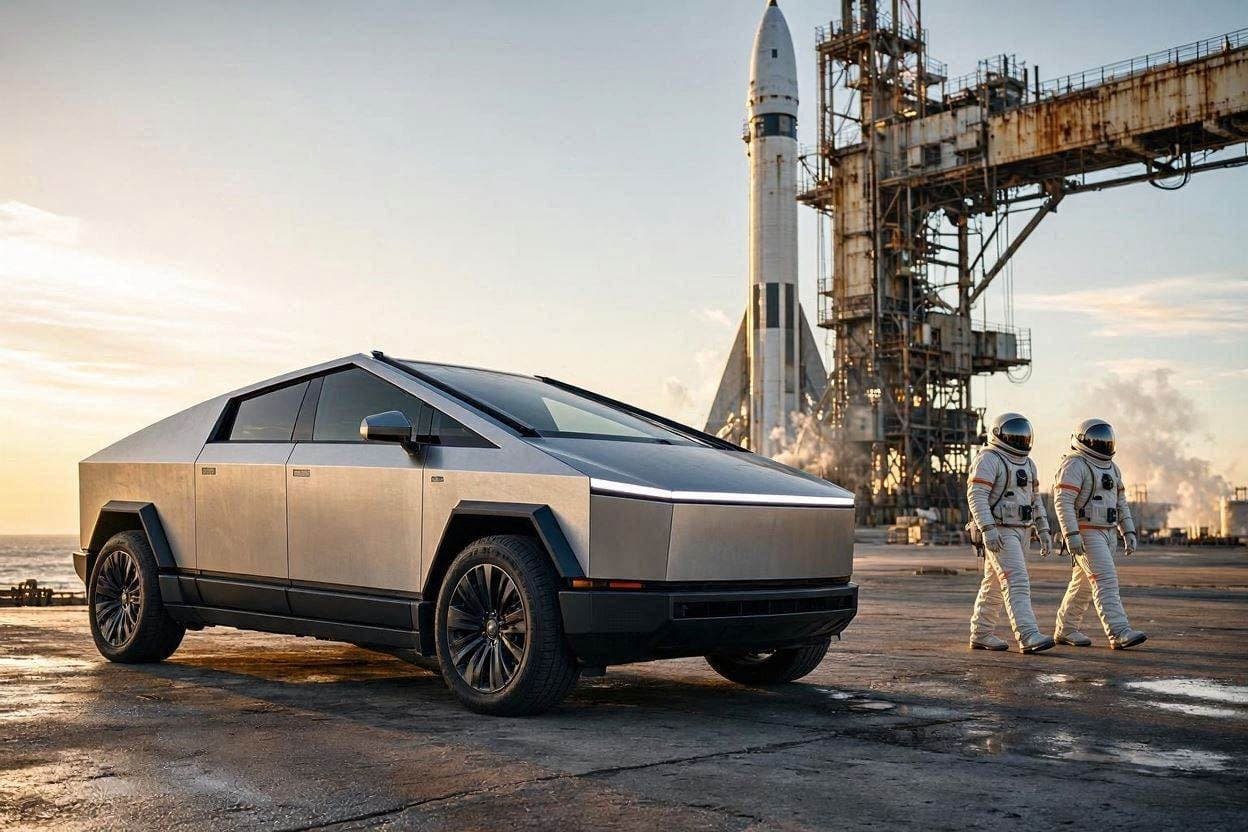
The world of space exploration is undergoing a significant transformation, particularly in how astronauts are transported to launch sites. Recently, reports have surfaced indicating that NASA is now utilizing Tesla Cybertrucks for this critical task. This shift has ignited discussions about the balance between innovation and the traditional reliability that is paramount in space missions.
Historically, NASA has relied on conventional vehicles for astronaut transport. SpaceX, which has a close partnership with NASA, previously used Model X SUVs for this purpose. However, the introduction of the Cybertruck, with its distinctive angular design and advanced technology, represents a notable departure from the norm. Critics of this decision have voiced concerns regarding the vehicle's reliability, citing software glitches and inconsistent build quality as potential risks when transporting astronauts whose safety is of utmost importance.
Supporters of the Cybertruck point to its robust engineering and safety features, which include an armored glass structure designed to withstand impacts. Additionally, the vehicle's electric powertrain aligns with NASA's sustainability initiatives, making it an appealing choice for modern space missions. SpaceX has likely made extensive modifications to the Cybertruck to ensure it meets NASA's rigorous safety standards, transforming it from a consumer vehicle into a specialized transport module.
This controversy underscores the evolving nature of public-private partnerships in the aerospace sector. As companies like SpaceX infuse consumer technology aesthetics and rapid development cycles into space exploration, traditional engineering practices are being challenged. The shift from conservative, government-led engineering to a more dynamic, Silicon Valley-inspired approach raises critical questions about risk management and accountability in an industry where the stakes are incredibly high.
For the astronauts, the experience of being transported in a high-profile vehicle like the Cybertruck may blend novelty with routine. While the media attention surrounding the vehicle is significant, the astronauts' primary focus remains on their mission. Trust in the ground support team and the overall safety of the transport system is crucial. If the Cybertruck meets all safety requirements, it will serve as just another component in the extensive preparation process for space travel.
Regulatory oversight is essential in ensuring that innovations do not compromise safety. NASA's Human Rating Certification Plan mandates a thorough evaluation of all systems involved in crew transportation, including ground vehicles. Any flaws identified during this process must be rectified before the vehicle can be approved for use. This rigorous scrutiny is vital for mitigating risks and ensuring that technological advancements enhance, rather than hinder, mission success.
The decision to use Tesla Cybertrucks for astronaut transport symbolizes the changing landscape of space exploration. While valid concerns about reliability persist, the integration of new technologies is an inevitable part of progress. As long as safety remains the top priority, these innovative vehicles can coexist with traditional methods, paving the way for a future where space travel is both cutting-edge and secure.
Published by Banx Network. This article is part of the Banx decentralized media programme, powered by the BXE token on the XRP Ledger.




