Underneath the polished surface of Silicon Valley’s sprawling influence lies a constellation of efforts meant to shape public policy as much as technological innovation. For more than a decade, one of the more visible of these efforts was FWD.us, an advocacy organization created to champion changes in U.S. immigration and criminal justice policies. Co‑founded in 2013 by Mark Zuckerberg alongside other tech leaders, it stood as a testament to a time when some tech elites sought to bring their perspectives to Washington’s corridors of power.
This week, a new chapter begins. The Chan Zuckerberg Initiative (CZI) — the philanthropic vehicle established by Zuckerberg and his wife Priscilla Chan — has formally severed its ties with FWD.us, marking an end to a collaboration that once helped define Zuckerberg’s engagement with immigration reform.
The shift is both structural and financial. For the first time since FWD.us’s founding, neither Zuckerberg nor any active CZI representative remains on its board, and the organization did not receive funding from CZI in 2025. According to people familiar with the matter, the move reflects broader changes within Zuckerberg’s philanthropic priorities as well as a recalibration in how he engages with contentious policy debates.
In its early days, FWD.us drew attention for advocating an array of immigration reforms — from protecting programs like DACA to expanding pathways for skilled workers. It also navigated criticism over its strategies, which at times sparked debate across political lines. Today, the group continues its work independently, but without the direct institutional backing of its most famous co‑founder.
Observers see this moment not just as an organizational change but as a reflection of the evolving relationship between philanthropy and public policy. In recent years, Zuckerberg and Chan have increasingly focused their resources on scientific research and education initiatives, signaling a strategic pivot away from advocacy that once tied their name to some of the nation’s most divisive debates.
For those who watched FWD.us’s rise — and its role in shaping conversations around immigration reform — this disengagement is a quiet but meaningful shift. It highlights how even long‑standing commitments can be reshaped by changes in leadership priorities, the broader political climate, and the enduring tension between advocacy and philanthropy.
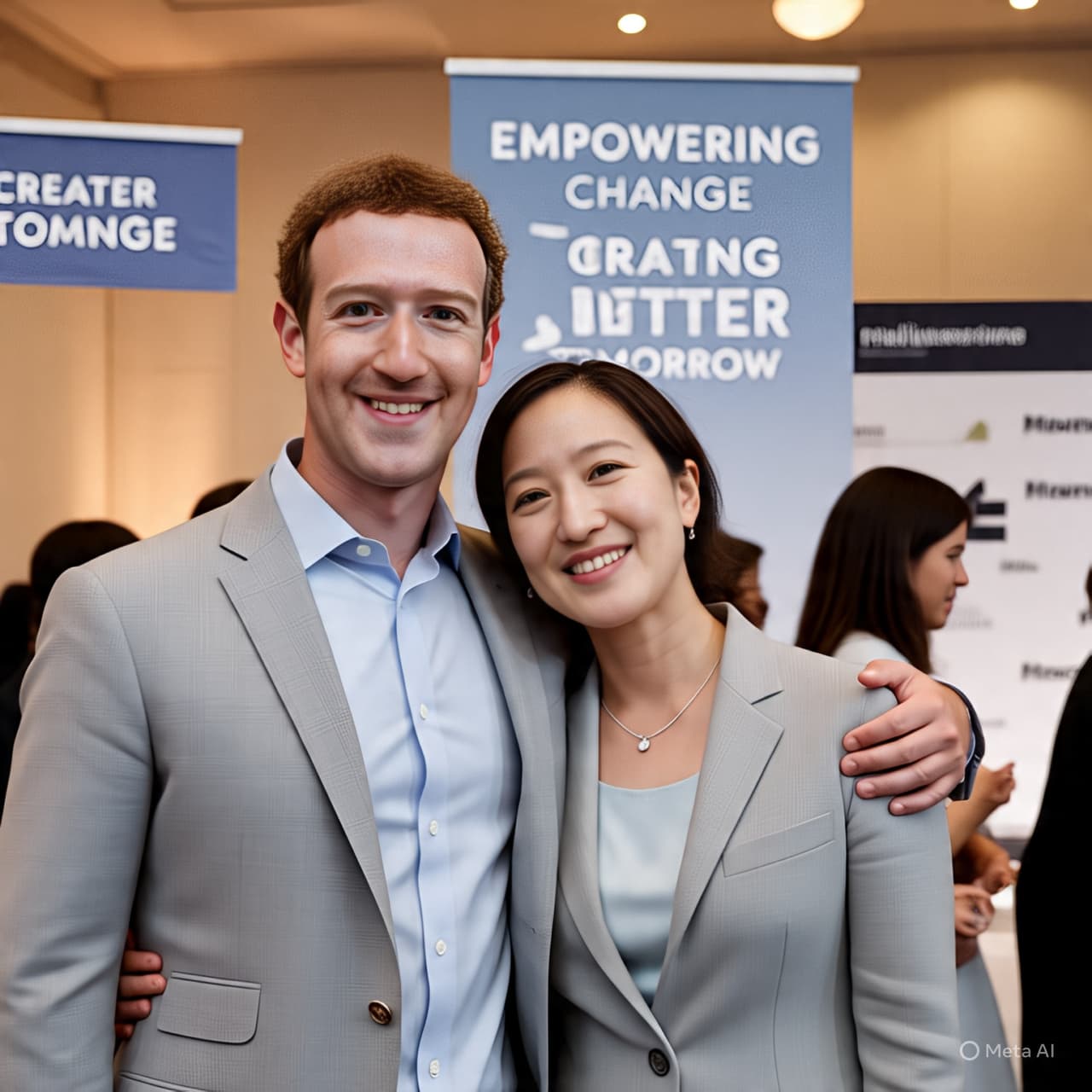
AI Image Disclaimer “Visuals are created with AI tools and are not real photographs.”
Sources:
• Bloomberg (reported Zuckerberg cut ties with pro‑immigration group he helped found)
• Reuters/national outlets also covered the story (as aggregated by immigration policy newsletters)
• FWD.us history confirmed (founder info)
Published by Banx Network. This article is part of the Banx decentralized media programme, powered by the BXE token on the XRP Ledger.