There are moments in medicine when ancient traditions and modern laboratories meet in quiet conversation. Deep within the Amazon rainforest, a ceremonial brew has long been used for spiritual reflection and healing. Today, far from the riverbanks where it was first prepared, ayahuasca — and its active compound DMT — is being examined under the careful lights of clinical research. What was once whispered through ritual is now being studied through peer-reviewed trials, as scientists explore whether this powerful psychedelic might offer relief to those living with depression.
Ayahuasca contains dimethyltryptamine, or DMT, a naturally occurring psychedelic compound that interacts strongly with serotonin receptors in the brain. In recent controlled studies, researchers have observed that participants with treatment-resistant depression experienced rapid reductions in depressive symptoms after guided psychedelic sessions. Unlike conventional antidepressants, which often require weeks to show effect, DMT-assisted therapy appears in some cases to produce measurable mood improvements within hours or days.
Scientists believe the mechanism may involve increased neuroplasticity — the brain’s ability to form new connections — along with what participants frequently describe as emotionally meaningful or perspective-shifting experiences. Rather than simply dampening symptoms, psychedelic-assisted therapy may help individuals revisit and reprocess difficult memories, often under supervised therapeutic guidance. Researchers emphasize that the setting, preparation, and professional oversight are essential components of the treatment model.
Clinical trials conducted in Brazil, the United Kingdom, and the United States have explored both ayahuasca itself and synthetic forms of DMT administered in controlled environments. Early-phase studies suggest statistically significant improvements compared to placebo groups, particularly among individuals who had not responded to standard antidepressant medications. At the same time, researchers caution that sample sizes remain relatively small and long-term outcomes are still under review.
Safety remains central to the conversation. While many participants tolerate the experience without lasting harm, DMT can produce intense psychological effects, including vivid hallucinations and profound emotional shifts. Medical screening is critical, especially for individuals with a history of psychosis or certain cardiovascular conditions. Regulators and clinicians alike stress that these therapies are not appropriate for unsupervised or recreational use.
The broader resurgence of psychedelic research reflects a shifting scientific climate. Substances once placed firmly outside mainstream medicine are being reconsidered under rigorous protocols. Similar investigations into psilocybin and MDMA have also shown promise in treating depression and post-traumatic stress disorder. Yet experts note that enthusiasm must move carefully alongside evidence, guided by ethical standards and patient safety.
For now, DMT-assisted therapy remains largely within research settings, with regulatory approval still limited in most countries. Ongoing Phase II and Phase III trials aim to clarify dosing, durability of response, and optimal therapeutic frameworks. The results of these studies will help determine whether ayahuasca-derived treatments may eventually enter regulated clinical practice.
In gentle but measured terms, researchers describe the findings as promising rather than conclusive. Depression continues to affect hundreds of millions globally, and innovation in treatment is urgently needed. Whether DMT becomes part of that future will depend on continued scientific rigor, regulatory review, and careful integration into mental health systems.
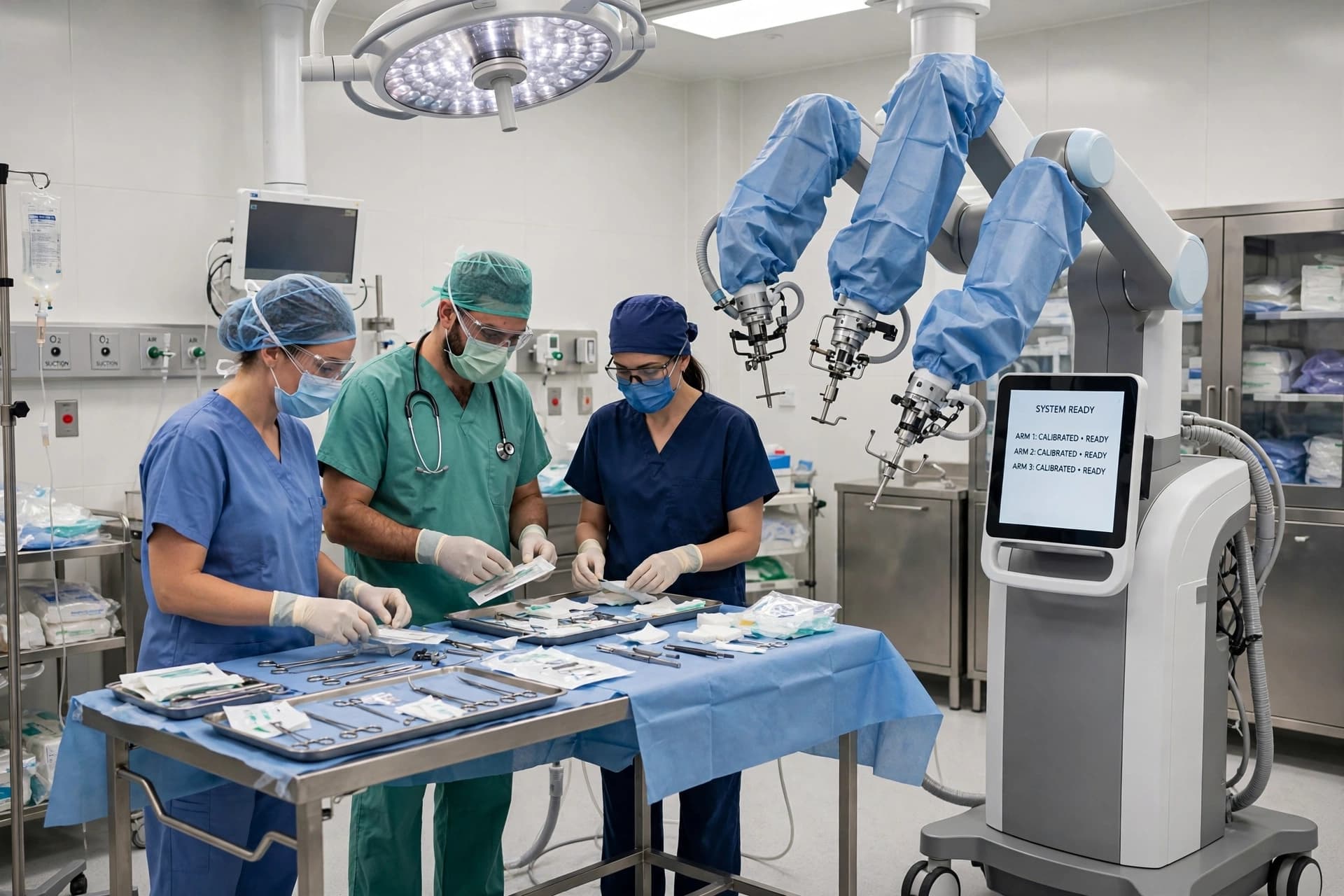
AI Image Disclaimer Graphics are AI-generated and intended for representation, not reality.
Sources Reuters BBC News The Guardian CNN NPR
Published by Banx Network. This article is part of the Banx decentralized media programme, powered by the BXE token on the XRP Ledger.