Opening: Behind the closed doors of international summits, where the real work of diplomacy often takes place, the public spectacle can sometimes mask a more nuanced reality. Recent accounts from the NATO gathering suggest that while former President Donald Trump’s public demeanor was marked by intensity and volume, his private interactions told a different tale. This contrast between the stage and the backstage offers a glimpse into the multifaceted nature of modern political engagement.
Body: Witnesses reported that Trump raised his voice during public sessions, directing sharp comments at allied leaders regarding defense contributions and strategic priorities. These moments, captured by cameras and broadcast globally, reinforced the image of a leader who prefers direct confrontation over subtle negotiation. For many observers, this public display was consistent with his established brand of political communication, which values boldness and immediacy.
However, those privy to the private meetings described a markedly different atmosphere. In these smaller, more intimate settings, Trump was said to be more conversational and even conciliatory. He engaged in detailed discussions about shared security concerns and expressed appreciation for the efforts of specific allies. This duality suggests a strategic separation between public posturing and private relationship-building.
The reason for this dichotomy may lie in the different audiences each setting addresses. Publicly, Trump speaks to his domestic base and the global media, where strong statements generate attention and reinforce his image as a tough negotiator. Privately, he interacts with peers who require collaboration and mutual respect to achieve common goals. Understanding this distinction is key to interpreting his actions on the world stage.
European leaders, accustomed to the rigors of diplomatic protocol, appeared to adapt to this dual approach. Some expressed relief that the private conversations allowed for more productive dialogue, free from the pressures of public performance. Others remained cautious, aware that public statements can still have lasting impacts on international perceptions and domestic politics within their own countries.
This pattern of behavior raises questions about the effectiveness of such a diplomatic style. While it may succeed in keeping allies attentive and responsive, it can also create uncertainty and strain relationships. The challenge for international partners is to distinguish between rhetorical flourishes and substantive policy positions, ensuring that core alliances remain strong despite surface-level tensions.
The incident serves as a reminder that diplomacy is not a monolithic activity but a complex interplay of public and private dynamics. Leaders must navigate both arenas with skill, balancing the need for public accountability with the necessity of private trust. Trump’s approach, while unconventional, highlights the evolving nature of international relations in the digital age.
As the summit concluded, the focus returned to the concrete agreements and commitments made by the alliance. The private conversations, though less visible, likely played a crucial role in shaping these outcomes. The ability to separate public noise from private signal remains an essential skill for all involved in global governance.
Closing: The contrast between Donald Trump’s public yelling and private conciliation at the NATO summit illustrates the complex layers of modern diplomacy. While public displays capture attention, private dialogues often drive the substantive progress that sustains international alliances.
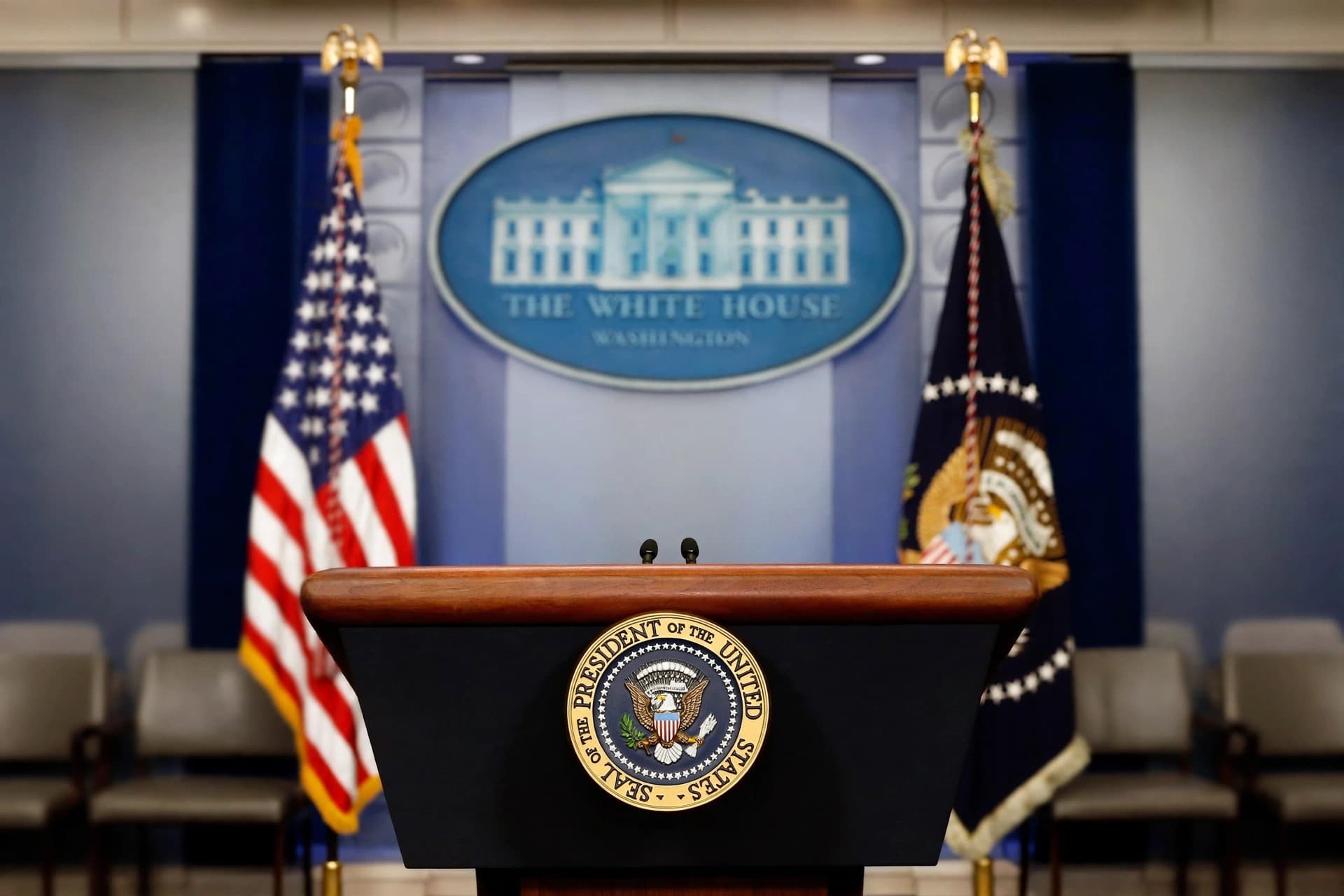
AI Image Disclaimer: Images associated with this article are AI-generated illustrations meant to reflect the themes of public versus private diplomatic interactions.
Sources: Axios Politico The New York Times CNN
Published by Banx Network. This article is part of the Banx decentralized media programme, powered by the BXE token on the XRP Ledger.