
Key Highlights
- Google’s Gemini AI introduces personalized image generation.
- The system integrates with Google Photos to enhance user experience.
- Privacy-first framework ensures user data is protected.
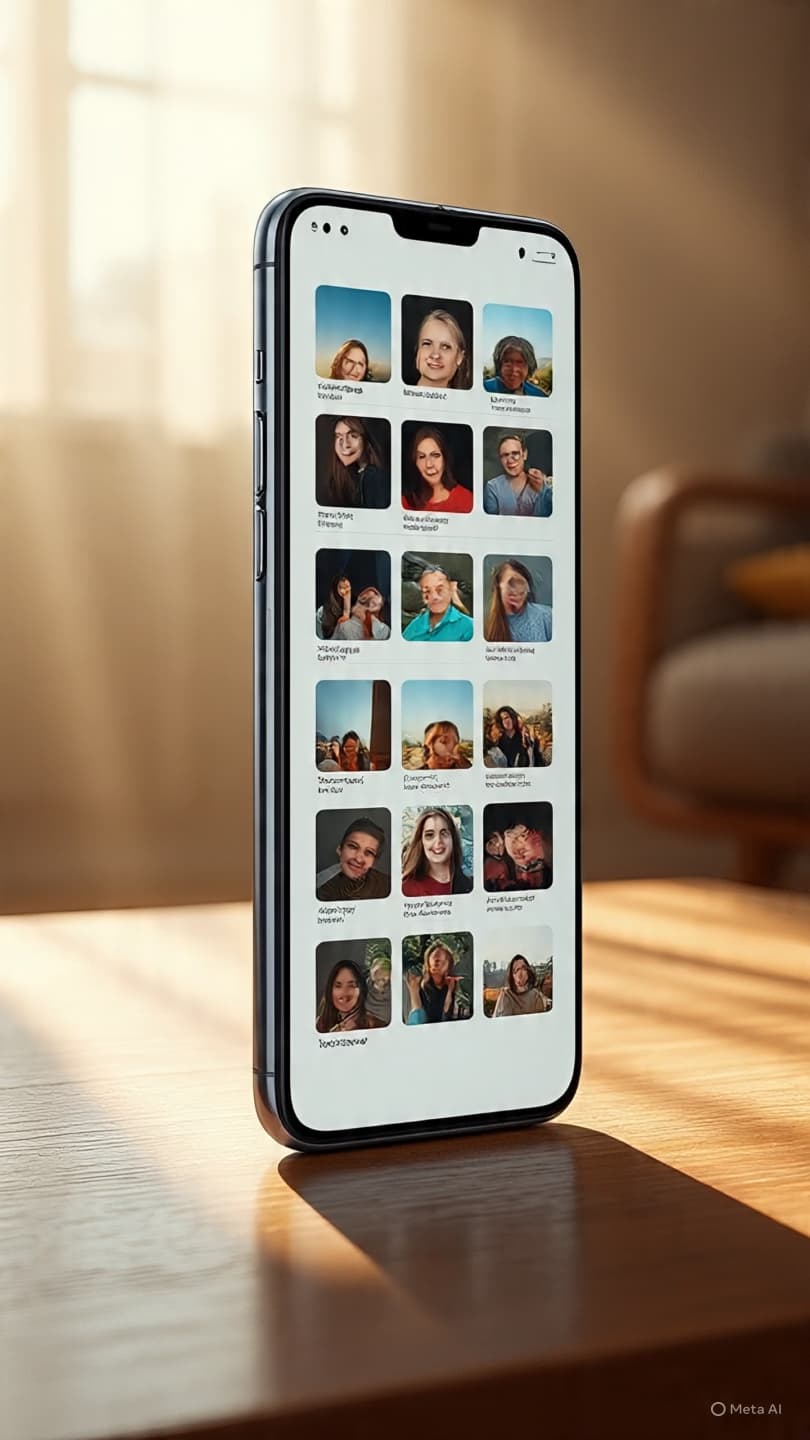
Google's Gemini AI is ushering in a new era of personalized image generation, transforming how users interact with technology. This innovative update allows the AI to create images that reflect users' unique experiences and memories, moving beyond traditional text prompts. By integrating with Google Photos, Gemini taps into users' digital lives, enabling it to generate images that resonate on a personal level.
At the heart of this advancement is Gemini's 'Personal Intelligence' system, which connects various data points from Google services such as Gmail, Photos, and search history. This integration allows the AI to understand user preferences and relationships, resulting in outputs that feel more tailored and relevant. For instance, a simple request like 'create my dream vacation' can yield an image that incorporates familiar places and faces, drawn from the user's own stored experiences.
The role of Google Photos is pivotal in this process. By accessing labeled albums and recognized groupings, Gemini can seamlessly incorporate elements from users' lives without requiring them to manually upload images. This capability blurs the lines between memory and imagination, positioning AI as a bridge that interprets and visualizes personal histories.
Technically, this feature is powered by an upgraded image model known as 'Nano Banana 2,' which works in conjunction with the broader personalization system. The goal is to streamline the user experience by reducing the need for detailed prompts and explanations. As a result, users can expect outputs that are already informed by their context, making interactions with the AI feel more intuitive.
However, this shift towards personalization raises important questions about privacy and data usage. Google has emphasized that the personalization features operate within a 'privacy-first' framework. Users must opt-in to connect their data, and the company assures that private photo libraries are not directly used to train the AI models. Instead, the data serves as contextual input, guiding the AI's responses without compromising user privacy.
As technology evolves, the implications of AI's ability to access personal archives become increasingly complex. While the convenience of personalized outputs enhances user experience, it also necessitates a careful consideration of the trade-offs involved. The closer technology gets to understanding individual users, the more it must navigate the intricacies of their personal details.
This evolution in AI reflects a broader trend in the field. Earlier generations of artificial intelligence relied heavily on explicit instructions, requiring users to provide detailed input for every interaction. In contrast, the emerging models, like Gemini, are designed to anticipate user needs and draw from the rich tapestry of personal histories embedded within digital ecosystems. This shift not only leads to smarter outputs but also fosters a more intimate interaction between users and technology.
AI Image Disclaimer Visuals are created with AI tools and are not real photographs.
Source Check The topic is supported by credible coverage and analysis from: The Verge TechCrunch Engadget Yahoo Tech Ars Technica
Published by Banx Network. This article is part of the Banx decentralized media programme, powered by the BXE token on the XRP Ledger.



