There are moments when history steps aside and leaves behind something quieter. After years defined by war rooms, speeches, and the heavy permanence of power, Bashar al-Assad’s life has taken on a different rhythm—one marked not by command, but by routine.
Following his removal from power and relocation to Moscow, the former Syrian president has resumed medical training, returning to a profession he once pursued before politics overtook his path. In Russia, far from Damascus and the structures that once defined his authority, Assad is reportedly attending ophthalmology-related courses while adapting to a more secluded existence.
Medicine was not always a footnote in his biography. Before inheriting Syria’s presidency, Assad trained as an eye doctor, a background often cited as a contrast to the political legacy he eventually assumed. That earlier chapter, paused for decades, now appears to have quietly reopened, not as a public gesture, but as a private recalibration.
Those familiar with his current circumstances describe a life lived largely out of sight. He is said to face no financial hardship, yet his days are defined by study, language learning, and limited public exposure. Russian has become part of his routine, reinforcing the sense of permanence in his new surroundings.
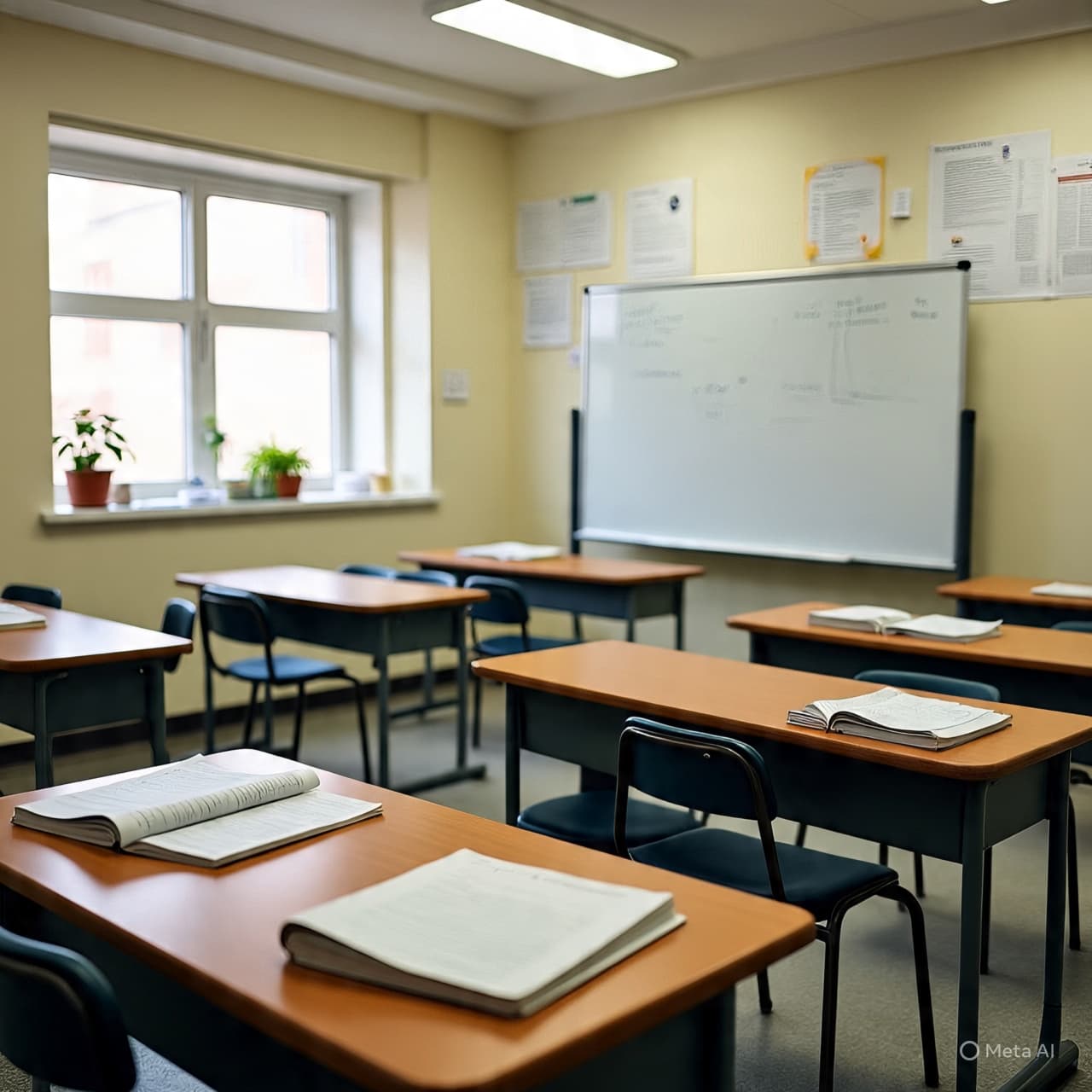
The symbolism is difficult to ignore. For a man once associated with rigid control and enduring conflict, the act of returning to training suggests neither redemption nor reinvention, but something more restrained—a narrowing of life after its widest reach. The classroom replaces the cabinet room. Medical texts replace briefings.
There is no indication that this return to medicine carries political intent. Instead, it reflects a personal continuity, a skill set preserved across decades and circumstances. In exile, professional identity becomes one of the few stable elements available, offering structure where authority once stood.
As international attention moves on and Syria’s future continues to unfold without him, Assad’s current life remains defined by absence rather than presence. He is no longer shaping events, only navigating their aftermath.
In Moscow, the former president studies again, not to rule, but to occupy time, purpose, and perhaps familiarity—an ending that is neither dramatic nor triumphant, but quietly human.
Published by Banx Network. This article is part of the Banx decentralized media programme, powered by the BXE token on the XRP Ledger.