
Key Highlights
- Digital Arrival Cards:Australia is expanding its digital passenger card system.
- Nationwide Adoption:The initiative is rolling out to Melbourne-bound travelers.
- Enhanced Experience:The shift aims to streamline airport entry and improve traveler convenience.
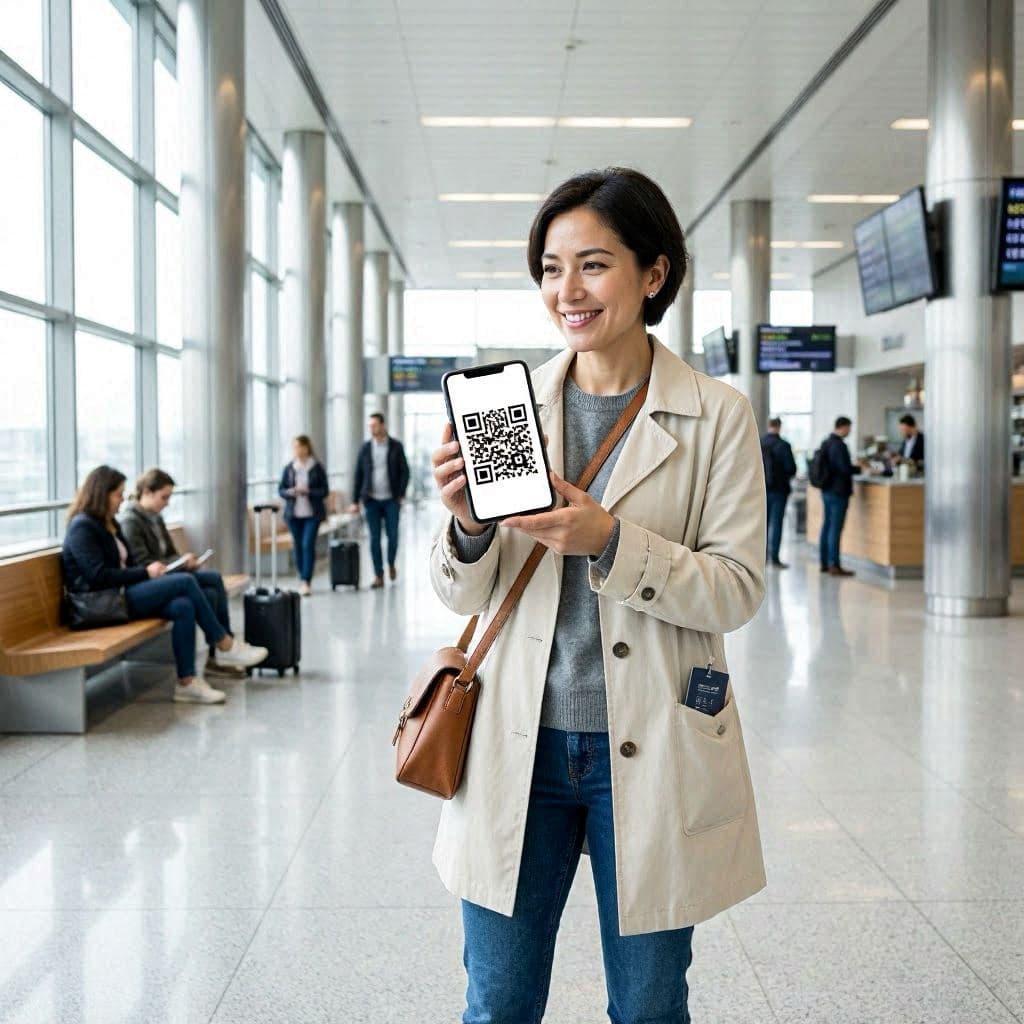
Australia is making significant strides in modernizing its border control processes by expanding its digital incoming passenger card system. This initiative replaces the traditional paper forms with a sleek, screen-based declaration, marking a notable shift in how travelers interact with border control. The digital arrival card is part of the Australia Travel Declaration pilot, which has already been successfully implemented on select flights into Sydney and Brisbane. The recent expansion to include Melbourne-bound travelers signifies a step toward nationwide adoption, aiming to enhance the travel experience for all.
By allowing passengers to complete their details before landing, the digital system is designed to reduce congestion at airports and streamline the entry process. For travelers, this means one less thing to worry about during the final moments of a long flight, allowing them to focus on the excitement of arrival rather than the logistics of paperwork. The transition to digital aligns with global trends in border management, where efficiency and security are paramount. Digital systems facilitate better data integration and risk assessment, enabling authorities to allocate resources more effectively.
While some critics argue that the loss of the physical card removes a tactile memory of travel, the digital format offers its own set of advantages. Travelers can save their information for future trips and receive real-time updates on health or security requirements. This modernization reflects the habits of a digitally native generation while maintaining the rigorous standards of border protection that are essential for national security.
The rollout of the digital arrival card has been gradual, allowing for thorough testing and refinement. Initial phases focused on specific airlines and routes to ensure the technology's robustness before wider implementation. This cautious approach demonstrates a commitment to reliability, recognizing that any disruption at the border can have significant ripple effects. As the system expands, user feedback will continue to shape its development, ensuring it meets the needs of both travelers and border officials.
For international visitors, this change signals Australia’s openness to innovation and its desire to be a welcoming, efficient destination. In a competitive global tourism market, ease of entry is a crucial factor. By removing friction from the arrival process, Australia enhances its appeal, making the first impression one of smoothness and modernity. This subtle yet powerful message positions Australia as a forward-thinking destination.
However, the transition to digital also necessitates inclusivity. Not all travelers are equally comfortable with digital tools, and provisions must remain for those who prefer or require paper forms. Ensuring that the system is accessible to everyone, regardless of age or tech-savviness, is crucial for maintaining fairness. The goal is to enhance the experience for all travelers, not to exclude those who may move at a different pace.
In conclusion, the shift to digital arrival cards represents a natural progression in the evolution of travel. It honors the past while improving upon it, offering a faster, cleaner way to cross borders. As the traditional blue slips fade into memory, the digital declaration stands as a testament to our ability to adapt and innovate, making the journey home—or to a new adventure—a little bit easier for everyone.
Published by Banx Network. This article is part of the Banx decentralized media programme, powered by the BXE token on the XRP Ledger.



