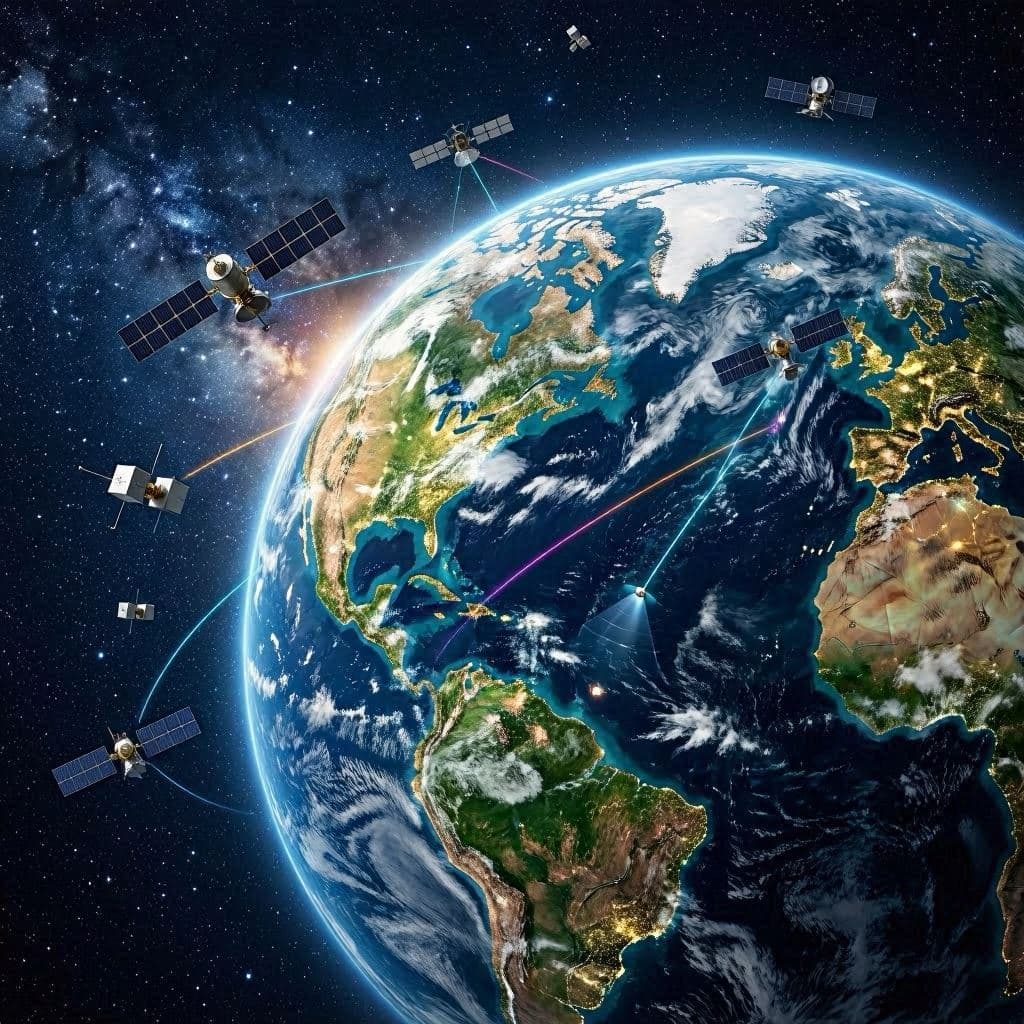
From hundreds of miles above Earth, satellites quietly observe the movement of oceans, clouds, forests, and landscapes. These instruments have become some of humanity’s most valuable scientific tools, helping researchers understand the complex systems that shape life on the planet. NASA continues expanding Earth observation research through advanced satellite technology designed to collect and analyze important environmental information.
Earth observation satellites provide scientists with detailed measurements that cannot always be gathered from the ground. These observations help researchers study weather patterns, environmental changes, natural resources, and the relationship between different Earth systems.
NASA’s satellite programs support a wide range of scientific research. Information collected from space helps scientists monitor changes in land conditions, ocean activity, atmospheric behavior, and other important environmental factors.
One of the greatest strengths of satellite technology is its ability to provide a global perspective. Researchers can observe large areas over long periods, allowing them to identify trends and better understand how natural systems develop.
Satellite data also supports communities and governments. Information from space can contribute to disaster monitoring, agricultural planning, water management, and environmental protection efforts.
The development of new observation technology continues improving scientific accuracy. Advanced sensors and improved data processing methods allow researchers to examine Earth with greater detail than previous generations of scientists could achieve.
International cooperation remains an important part of Earth science. Space agencies and research institutions around the world share knowledge and data to improve understanding of global environmental systems.
NASA’s continued investment in Earth observation demonstrates the importance of studying the planet from every possible perspective. By looking from space, scientists gain new insights into Earth’s past, present, and future.
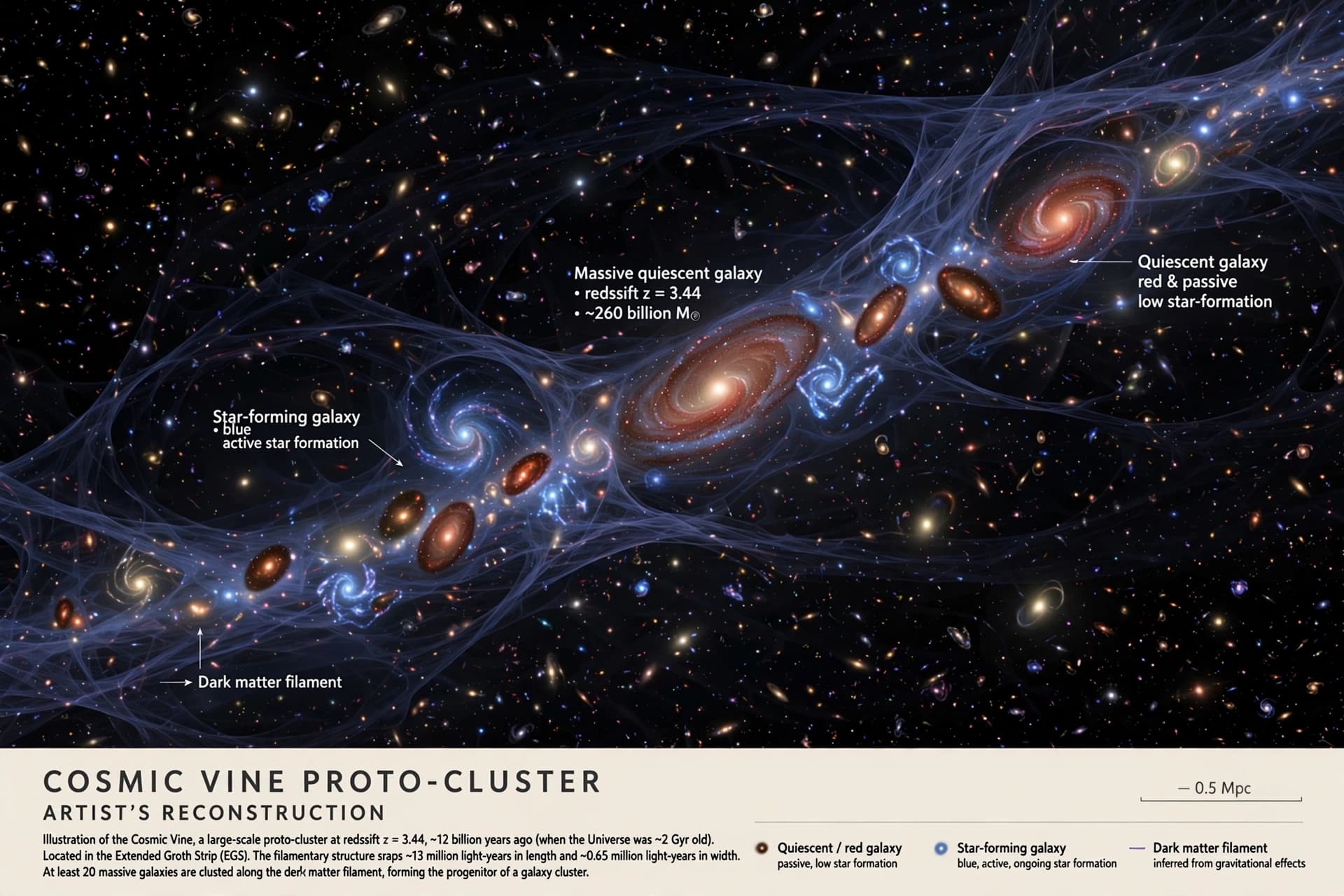
AI Image Disclaimer: The images in this article are AI-generated scientific illustrations created to represent satellite observation and Earth research technology.
Sources Verification Check: Verified sources available from: NASA, NOAA, European Space Agency (ESA), Reuters
Published by Banx Network. This article is part of the Banx decentralized media programme, powered by the BXE token on the XRP Ledger.