
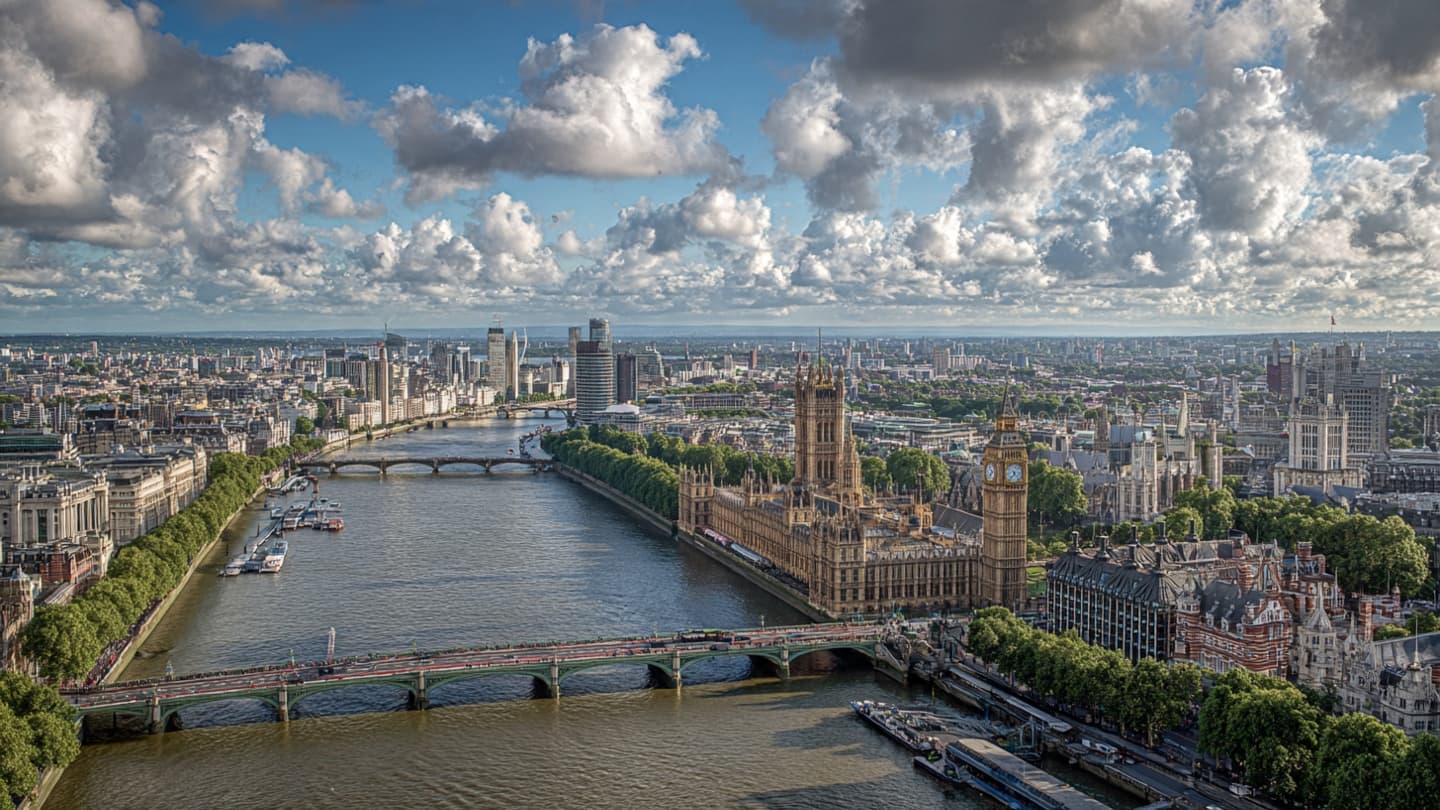
There are mornings when a city seems to pause before beginning again. In London, the familiar rhythm of footsteps across Westminster Bridge, the ringing of distant clocks, and the quiet flow of the River Thames carry memories of governments that have come and gone. The buildings remain steady, yet the voices within them change, reminding the nation that leadership, like the tide, is never entirely still.
That sense of movement has returned as Andy Burnham assumes office as the United Kingdom's prime minister, becoming the country's seventh leader in just ten years. His arrival reflects not only a political transition but also the remarkable pace at which Britain has experienced changes at the highest level of government during the past decade.
Frequent leadership changes have become an unmistakable feature of modern British public life. Each new administration has inherited its own collection of challenges, from economic uncertainty and public services to international relationships and long-term national planning. With every transition, familiar institutions have remained in place while fresh priorities gradually emerged within their walls.
Burnham enters office with years of experience in public service and local government, where his work often centered on regional development, transportation, healthcare, and community investment. Those experiences have shaped expectations that his leadership may emphasize practical governance and closer engagement with local authorities, even as national responsibilities broaden considerably.
Across the country, daily life continues with its characteristic rhythm. Trains depart crowded stations, markets open beneath changing skies, and neighborhoods carry on with routines that rarely pause for constitutional moments. Yet leadership transitions inevitably ripple through these ordinary scenes, influencing decisions that affect employment, infrastructure, education, healthcare, and the broader direction of public policy.
Beyond Britain's borders, international partners are watching carefully. The United Kingdom remains an influential participant in global diplomacy, security cooperation, financial markets, and international trade. A new prime minister brings opportunities to reinforce existing relationships while also introducing different priorities and approaches to longstanding partnerships.
Financial markets and business communities often respond cautiously to political transitions, weighing continuity against the possibility of policy adjustments. Investors, employers, and households alike tend to look beyond inaugural speeches, seeking clearer signals about fiscal strategy, economic growth, and long-term stability. Confidence is often built gradually, shaped more by consistent decisions than by ceremonial beginnings.
For many citizens, however, leadership is measured less by headlines than by everyday experience. Reliable public services, affordable living, secure employment, and confidence in future opportunities frequently matter more than the pace of political change itself. Governments may change, but expectations for steady administration remain remarkably constant across generations.
As Andy Burnham begins his tenure, the United Kingdom enters another chapter in a decade marked by uncommon political movement. The River Thames will continue its quiet journey through the capital, carrying reflections of Parliament beneath changing skies. In that enduring landscape, one administration gives way to another, reminding the country that while leaders may change with surprising frequency, the work of guiding a nation remains a continuous passage rather than a single moment.
AI Image Disclaimer Visuals are AI-generated and serve as conceptual representations of the events and locations described.
Sources Reuters BBC News The Guardian Associated Press UK Government
Published by Banx Network. This article is part of the Banx decentralized media programme, powered by the BXE token on the XRP Ledger.



.jpg&w=3840&q=75 "EU Gambling Levy Omitted From Irish MFF Budget Draft, but Remains Under Discussion")