In the ornate chambers of India’s Parliament this winter, a flurry of legislative activity unfolded against a backdrop of trade tensions that reach far beyond New Delhi’s corridors. Prime Minister Narendra Modi’s government has fast‑tracked a series of sweeping economic reforms, aimed at shoring up India’s economy in the face of steep U.S. tariffs, which impose punitive duties on a wide swath of Indian exports. The moves — spanning tax policy, market regulation and diplomatic trade outreach — reflect a strategic push to both strengthen domestic competitiveness and diversify India’s global economic ties.
The reform drive gained momentum in the year’s final parliamentary session, where lawmakers approved key bills designed to modernise India’s economic architecture. Among the measures were efforts to open up the nuclear industry to private participation, allow full foreign ownership of insurance companies, and unify fragmented securities regulations into a single code meant to attract broader market engagement and long‑term investment. Analysts say these initiatives could unlock hundreds of billions of dollars in investment and align with Modi’s long‑term goal of transforming India into a developed economy by 2047.
Underlying this legislative push is a sense of urgency: India’s exporters have struggled since the United States — under President Donald Trump — imposed tariffs as high as 50 per cent on many Indian goods, a move that has weakened exports to one of the country’s largest markets. Although negotiations continue without a breakthrough, the prospect of sustained tariff pressure has prompted New Delhi to accelerate reforms that reduce business costs, improve labour flexibility, and bolster domestic demand.
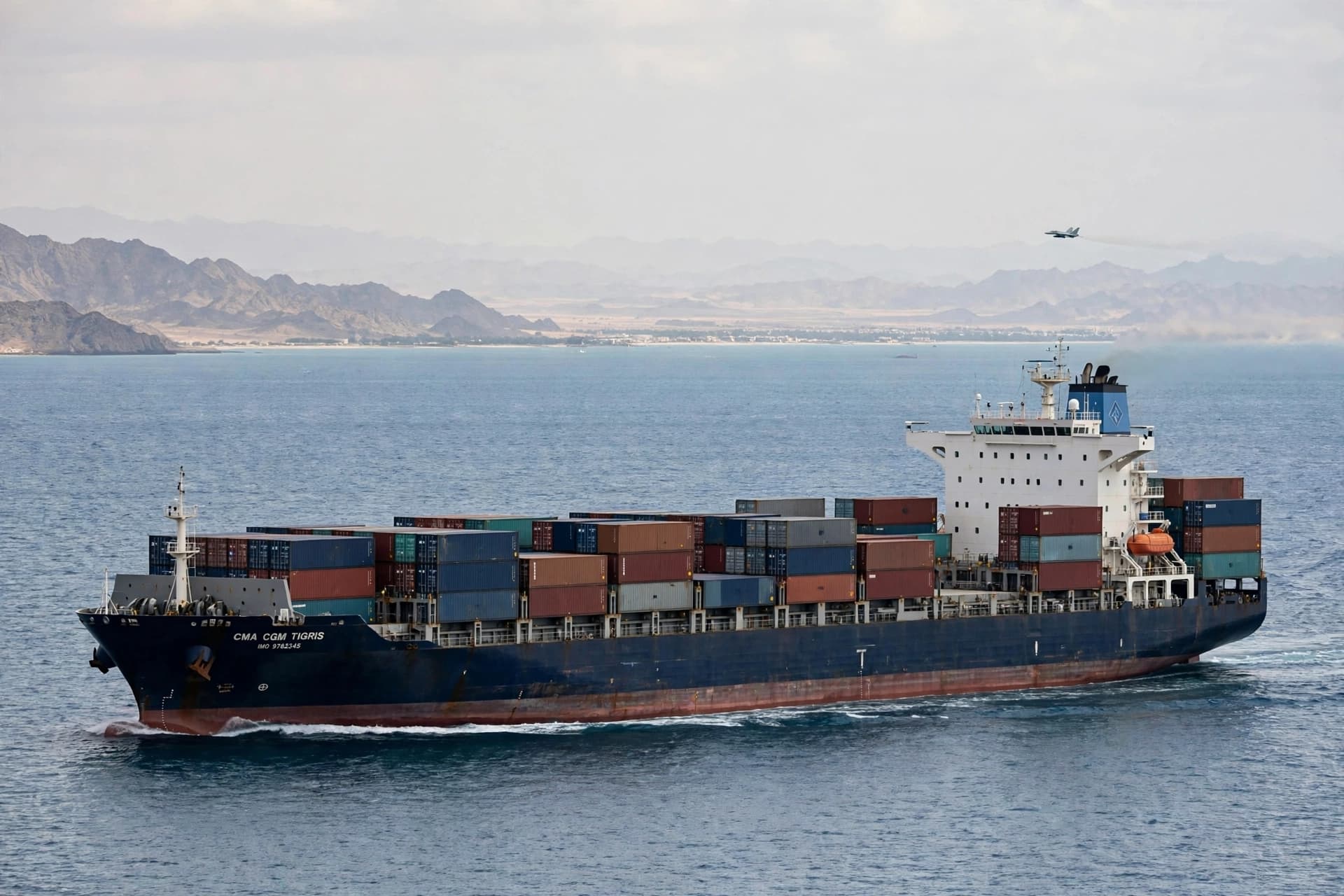
At the same time, India has been actively diversifying its trade relationships beyond the United States to mitigate tariff risks. A notable example came just days ago when India and Oman signed a Comprehensive Economic Partnership Agreement providing Indian exports with duty‑free access on more than 98 per cent of tariff lines, which covers nearly all the goods India sends to Oman. This pact — India’s second major trade deal this year after one with the United Kingdom — is part of a broader diplomatic push to expand market access and strengthen supply chain linkages.
Officials and economists view these reforms not just as reactive measures, but as structural enhancements that will make India’s economy more resilient in an era of shifting global trade dynamics. By liberalising sectors long shielded from competition, promoting investment‑friendly regulations and negotiating free‑trade agreements with a range of partners, the government hopes to both blunt the impact of U.S. tariffs and sustain economic growth.
These changes also come amid domestic political pressures. After months of being bogged down by geopolitical challenges — including border tensions with neighbouring countries and contentious parliamentary debates — the reform momentum gives Modi’s government a strategic economic narrative ahead of key state elections early next year. Within policymaking circles there is cautious optimism that the reforms, combined with trade diversification, could help drive stronger growth — projected by some economists at nearly 7 per cent in 2026 — and cushion export‑dependent sectors from external shocks.
At their heart, the reforms illustrate how economic policy is being reshaped in response to reciprocal global trade pressures. While negotiations with the United States proceed, India’s decision to recalibrate domestic laws, expand foreign investment opportunities, and pursue ambitious trade agreements signals an effort to guard its economy not only from tariffs but from wider geopolitical uncertainty. Whether these reforms yield the desired economic resilience remains to be seen, but the urgency and breadth of the measures mark a significant pivot in India’s economic strategy on the world stage.
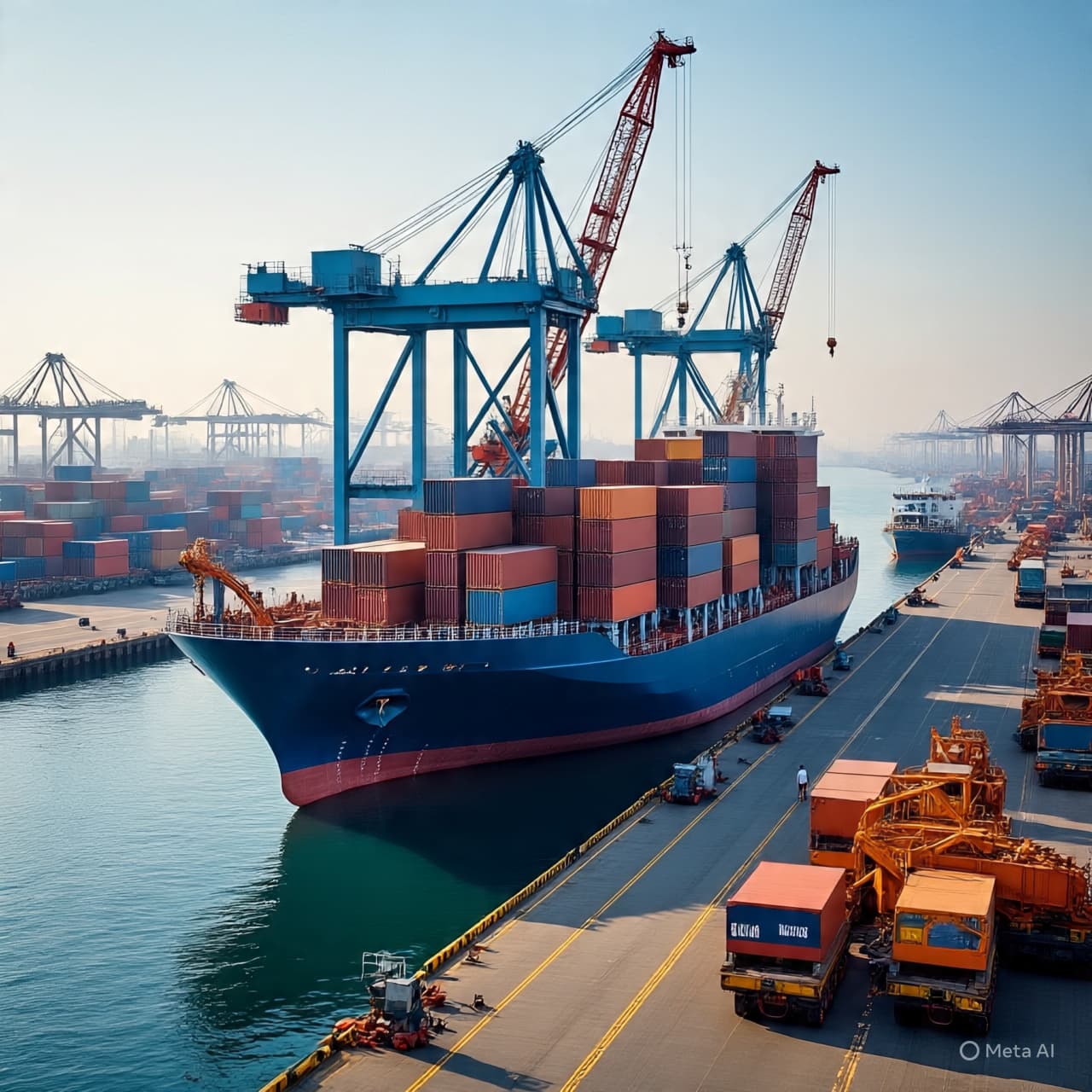
AI Image Disclaimer “Visuals are created with AI tools and are not real photographs.”
Sources The Economic Times — India fast‑tracks key reforms to shield itself from US tariffs (India Modi economic reforms and trade diversification). Reuters — India signs Comprehensive Economic Partnership Agreement with Oman (trade diversification to mitigate tariff impact).
Published by Banx Network. This article is part of the Banx decentralized media programme, powered by the BXE token on the XRP Ledger.