There are moments in medicine when progress does not arrive in the quiet of incremental change but in the firm, deliberate sweep of innovation. For people with type 2 diabetes, one of those moments may be now. A recent study has reminded the world that sometimes the path to wellness is not solely lined with pills, but with procedures that recalibrate the body and its possibilities.
Bariatric surgery, a treatment often thought of in terms of weight loss, has shown itself to be remarkably effective in controlling type 2 diabetes — more so, according to recent analyses, than even the latest GLP-1 receptor agonists. Across socioeconomic lines, patients experienced better blood sugar control, greater reductions in body weight, and less dependence on medications. The benefits were not confined to a single demographic or income level; they were consistent, widespread, and enduring. (statnews.com)
GLP-1 drugs, including semaglutide and tirzepatide, have captured attention for their ability to assist in weight loss and improve metabolic parameters. Yet the long-term data suggest that the mechanical and metabolic effects of surgery achieve deeper and more persistent results. Patients who underwent bariatric procedures often reached glycemic targets that many medication regimens could not match, and they maintained those improvements over years. (sciencedaily.com)
Perhaps most striking is the surgery’s consistency across income levels. The benefits are not reserved for those with higher access to healthcare; they extend to communities where social and economic barriers might otherwise limit outcomes. This underscores the notion that effective treatment is as much about the intervention itself as about ensuring broad accessibility and follow-up care. (consultqd.clevelandclinic.org)
Bariatric surgery’s impact extends beyond glucose control. Studies highlight reductions in cardiovascular events, kidney complications, and even mortality. These effects, combined with the improvements in weight and quality of life, paint a picture of a treatment whose influence ripples across multiple facets of health. (academic.oup.com)
Yet this is not a dismissal of medical therapy. GLP-1 medications remain essential tools, especially for those who cannot undergo surgery or prefer a non-invasive approach. The decision between surgery and medication must consider personal health, feasibility, and long-term goals. What emerges clearly from recent evidence, however, is that when patients are eligible, and support systems are in place, bariatric surgery offers a depth and durability that pills alone rarely match.
In reflecting on these findings, one is reminded that medicine, at its best, combines science with the human story. Treatments are more than interventions; they are instruments for reclaiming lives, restoring independence, and enabling possibilities that seemed distant. Bariatric surgery, in this context, is a profound reminder that sometimes, the most transformative journeys are the ones taken beneath the scalpel’s gentle precision.
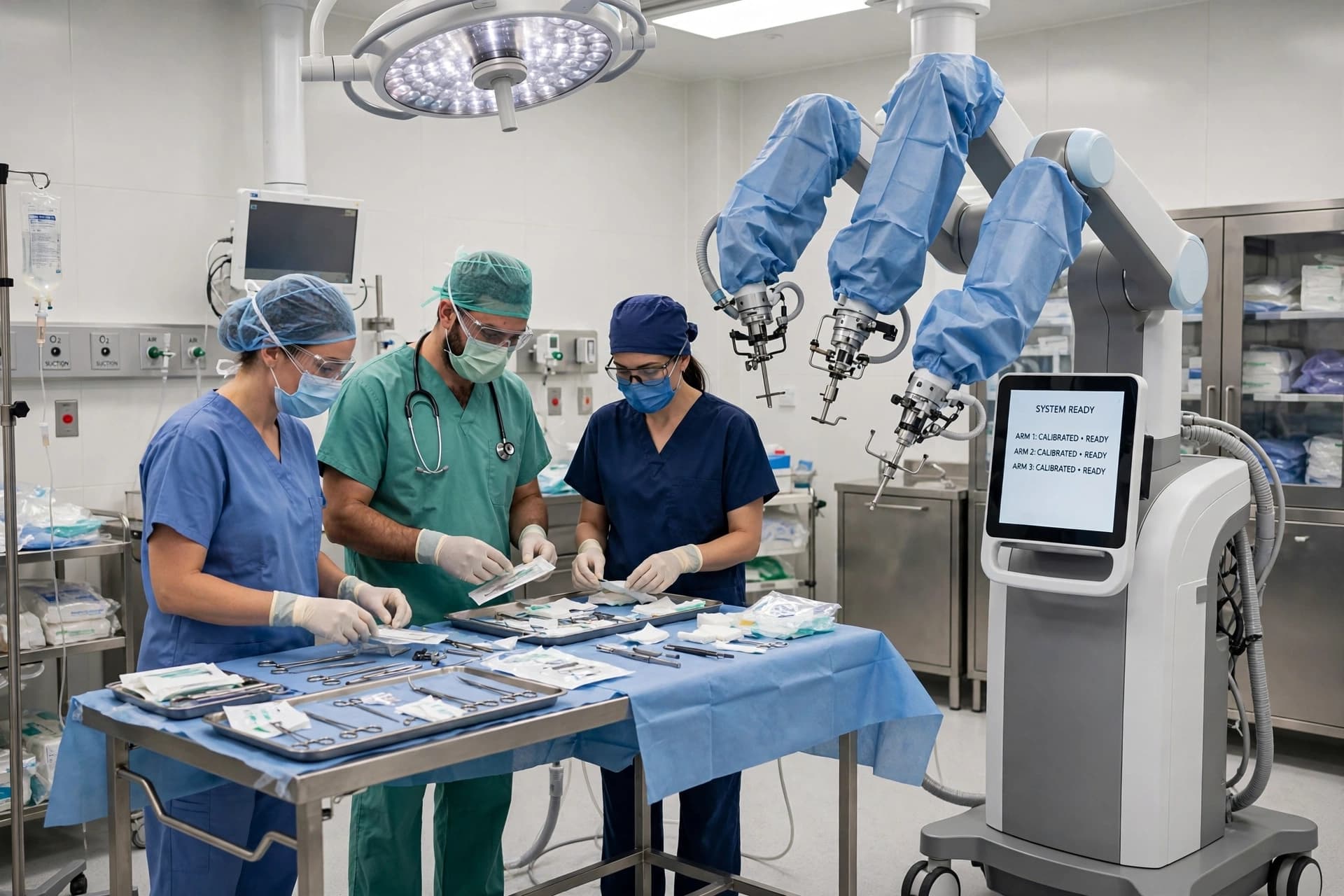
AI Image Disclaimer Images in this article are AI-generated illustrations, meant for concept only.
Sources STAT News ScienceDaily Oxford Academic / BJS Open Cleveland Clinic / ConsultQD PubMed / Clinical Meta-analyses
Published by Banx Network. This article is part of the Banx decentralized media programme, powered by the BXE token on the XRP Ledger.