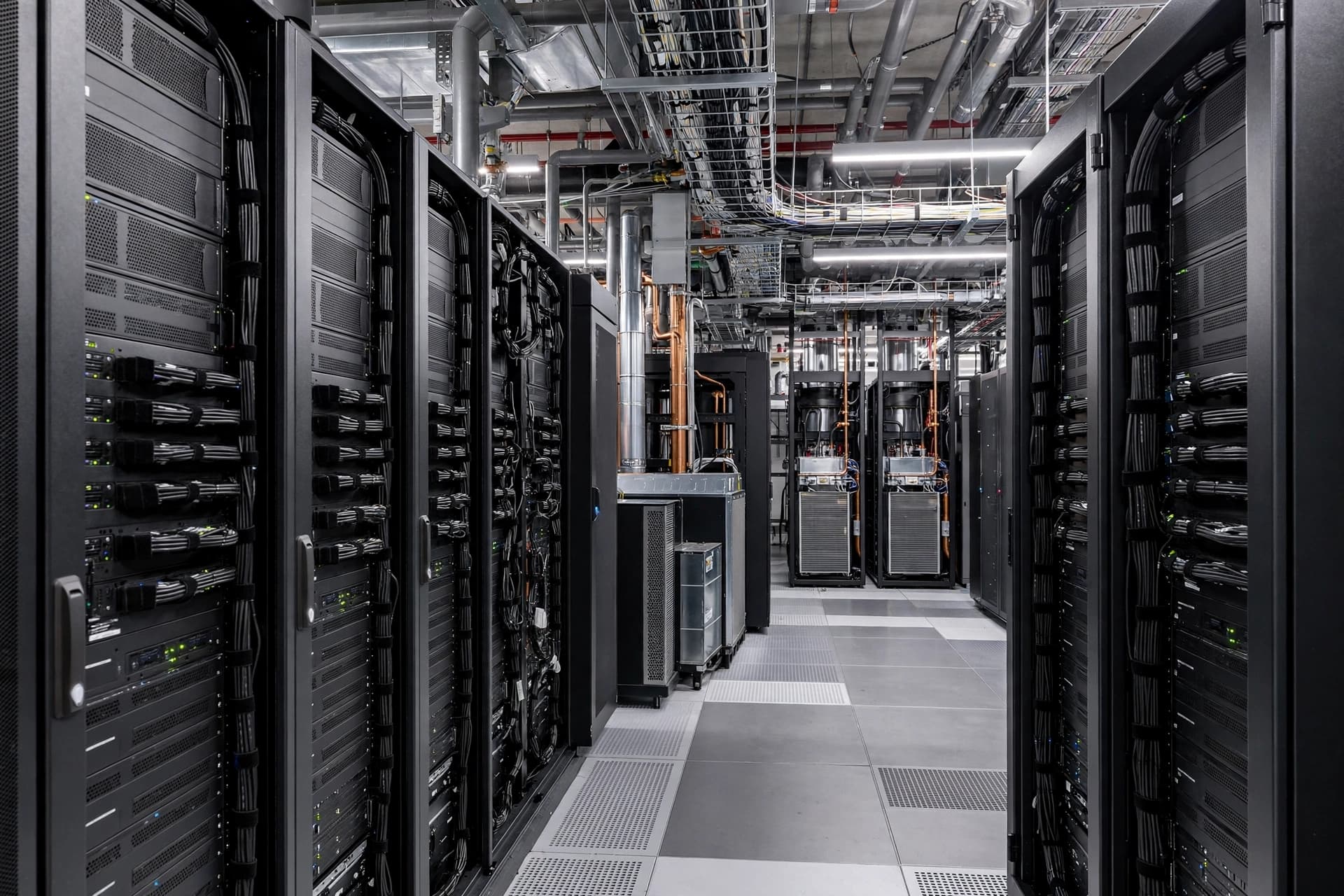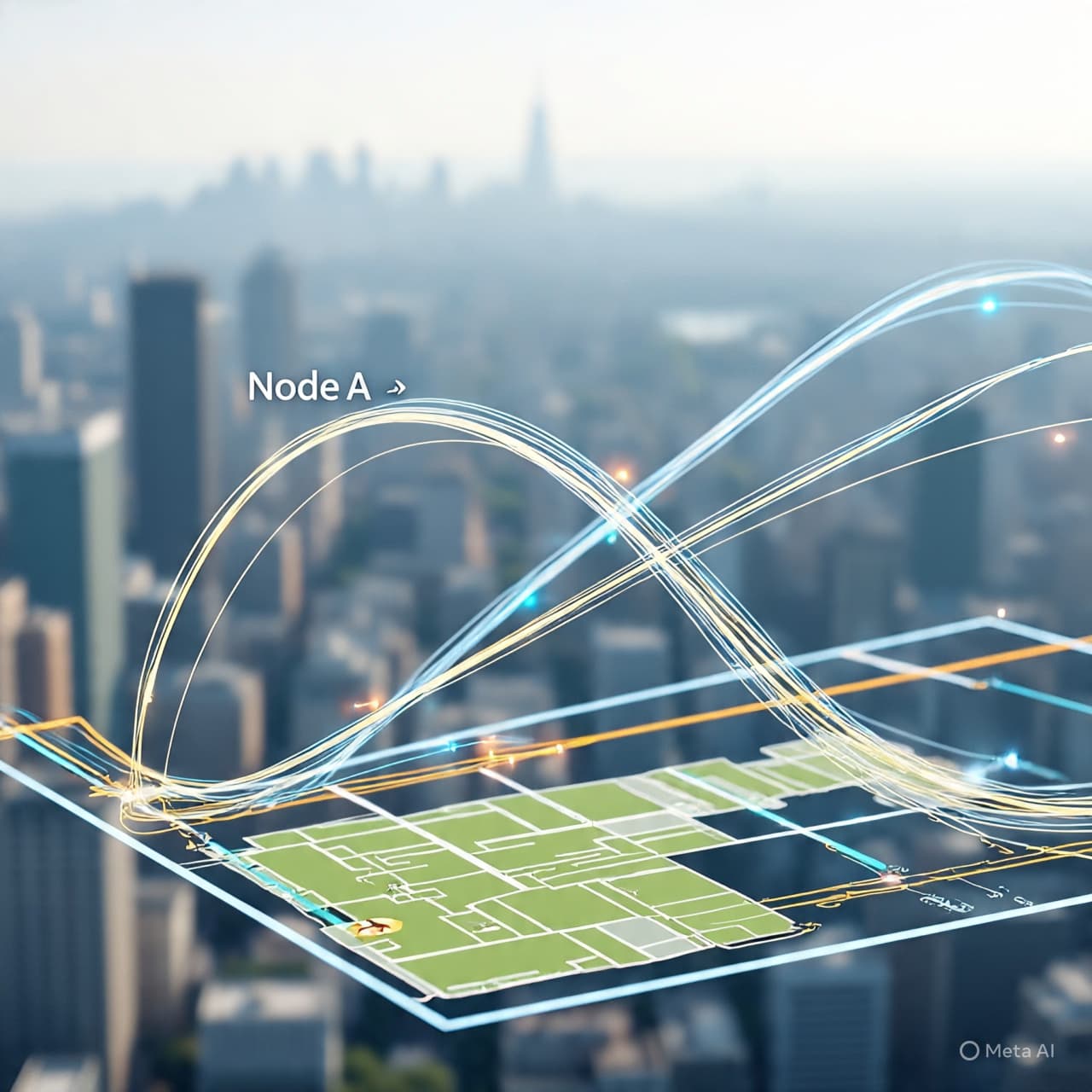
There’s a peculiar kind of poetry in witnessing tomorrow’s technology unfurl in the quiet of everyday infrastructure — a blend of silence and potential that feels more like wind weaving through wires than the loud arrival of a new era. Earlier this year in Berlin, researchers from Deutsche Telekom’s T‑Labs and the quantum networking firm Qunnect demonstrated something close to that quiet poetry: the successful transmission of quantum information over 30 kilometers of commercial fiber optics, marking a significant step toward the long‑envisioned quantum internet.
In the realm of physics, “teleportation” does not conjure up images of beamed‑up people but rather of quantum states — the delicate, probabilistic properties of particles — being faithfully recreated at a distant location without sending the particles themselves. In Berlin, scientists achieved this over an active metropolitan fiber loop, relying on entanglement, a uniquely quantum connection between particles, and state‑of‑the‑art hardware that works alongside everyday internet traffic. Over a 30‑kilometer stretch of real telecom network, they reached average fidelities of around 90 percent, proving that quantum information can indeed travel under real‑world conditions.
It’s one thing to achieve quantum communication in controlled laboratories, where conditions are fine‑tuned and interference minimized. It’s another to step into commercial networks laid beneath city streets, carrying the hum of classical data alongside whispers of quantum bits — or qubits — without significant disruption. This convergence of old and new, of traditional fibers and quantum packets, is where practical applications begin to emerge, from ultra‑secure communication to distributed quantum computing that draws power from distant nodes.
The potential of a quantum internet is vast: imagine encryption that is practically unbreakable thanks to the laws of physics, or quantum computers linked over networks that pool their computational might for tasks classical systems struggle to tackle. While this vision is still unfolding, the Berlin demonstration is more than theory — it’s a field trial that shows the building blocks can operate in everyday networks. As telecommunications providers and researchers refine this technology, extending distances and integrating more nodes, the quantum internet moves closer to a foundational layer of future connectivity.
Germany isn’t alone in this quest, with multiple initiatives and research hubs collaborating on quantum networks, secure key distribution, and photonic technologies that could one day span entire nations or continents. But this latest 30‑kilometer milestone exemplifies a crucial milestone: moving from isolated experiments into practical, scalable infrastructure tests that blend with our current digital world.
In practical terms, this work does not signify a fully deployed quantum internet yet, but it does represent a tangible building block — a demonstration that quantum information can coexist with classical data over real fiber networks, broadening the roadmap from research to deployment. As scientists and engineers continue to push ahead, the promise of a quantum internet — secure, powerful, and deeply integrated with everyday systems — comes into sharper focus.
AI Image Disclaimer “Visuals are created with AI tools and are not real photographs.”
Sources Deutsche Telekom / Qunnect demonstration of quantum teleportation over commercial fiber; real‑world tests showing quantum signals on existing networks; expert summaries on quantum internet progress.
Published by Banx Network. This article is part of the Banx decentralized media programme, powered by the BXE token on the XRP Ledger.