Air routes often disappear quietly and return years later, reconnecting cities that once shared a regular rhythm of travelers. For Malaysia Airlines, Busan is one such connection. After nearly three decades, the South Korean city is preparing to reappear on the airline’s route map.
Malaysia Airlines will resume flights between Kuala Lumpur and Busan from December 2, 2026, restoring a route it last operated between 1996 and 1998. The service will operate four times a week using Boeing 737-8 aircraft.
The return to Busan is part of Malaysia Aviation Group’s broader effort to strengthen its international network. Busan is South Korea’s second-largest city and an important commercial, industrial and tourism center, providing Malaysia with another connection beyond its existing Seoul services.
The timing also places the route within a broader recovery and expansion of regional travel across Asia. Airlines are increasingly adjusting networks to capture demand between secondary cities rather than concentrating solely on established capital-to-capital connections.
Firefly, another airline under Malaysia Aviation Group, is also expanding its network with a new connection to Kunming in China. The move gives the regional carrier another destination in a market with growing commercial and tourism links to Southeast Asia.
The network expansion comes as airlines continue to manage higher operating costs. Fuel remains one of the most significant expenses in aviation, and Malaysia Aviation Group has maintained fuel-hedging coverage between 36% and 50% on a rolling 12-month basis to provide some protection against price volatility.
That financial consideration gives new routes an additional dimension. Opening a destination requires aircraft capacity, airport slots, crew, marketing and fuel, while airlines must also estimate whether passenger demand will be sufficient to support the service over time.
For Malaysia Airlines, the Busan route also contributes to the carrier’s broader effort to return to profitability. Expanding the network allows the airline to pursue new sources of passenger revenue while strengthening connections through Kuala Lumpur International Airport.
For passengers, however, the change is simpler. A route that once belonged to another era of aviation is returning, while another regional connection is opening toward southwestern China. The map of Asian travel continues to evolve one flight at a time.
Malaysia’s aviation network is therefore entering another period of adjustment. Busan represents a return, Kunming represents expansion, and together they show how airlines continue to reshape their networks around changing patterns of tourism, business and regional mobility.
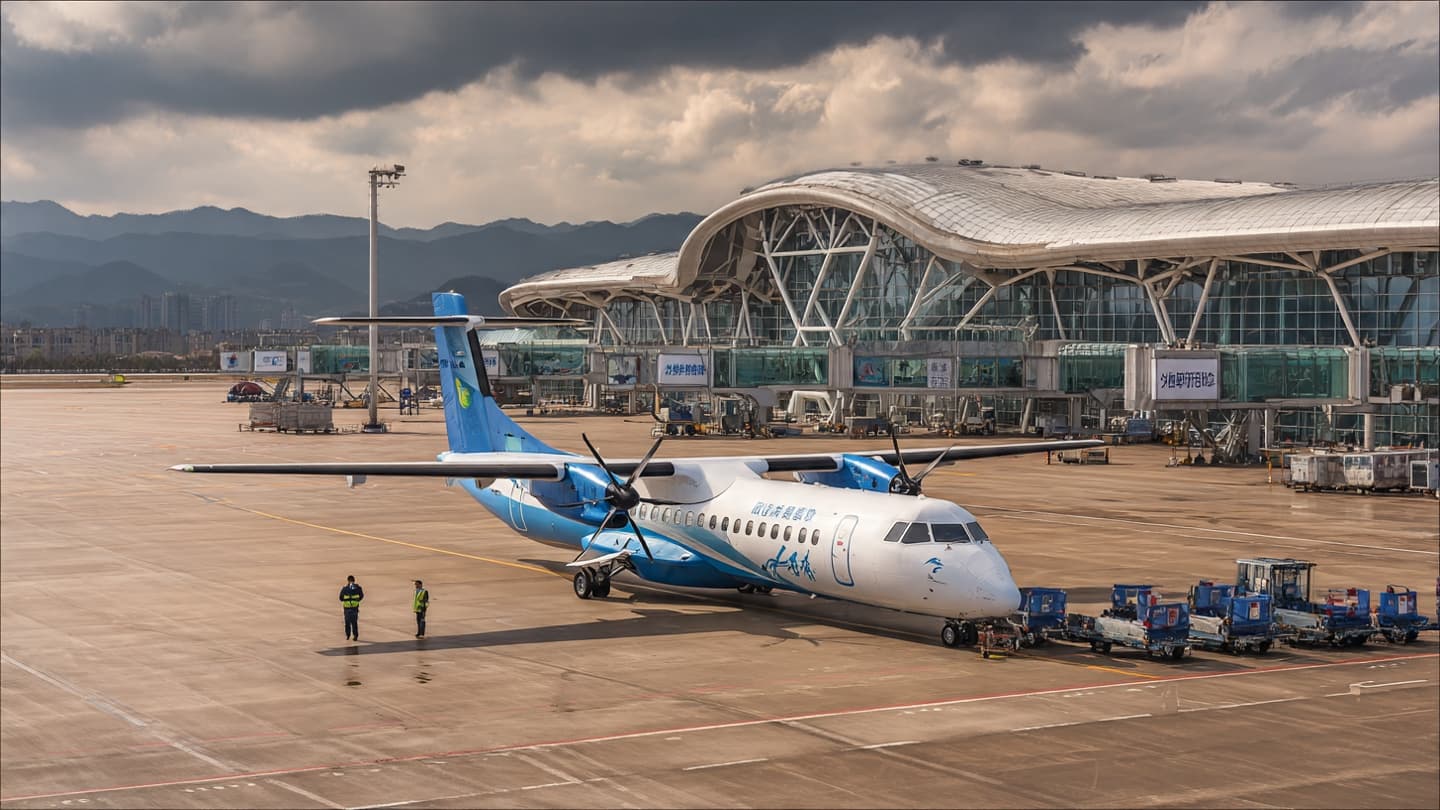
AI Image Disclaimer: These images are AI-generated conceptual illustrations of aviation routes and do not represent actual photographs of the reported flights.
Sources: The Star Malaysia Aviation Group Malaysia Airlines Firefly
Published by Banx Network. This article is part of the Banx decentralized media programme, powered by the BXE token on the XRP Ledger.