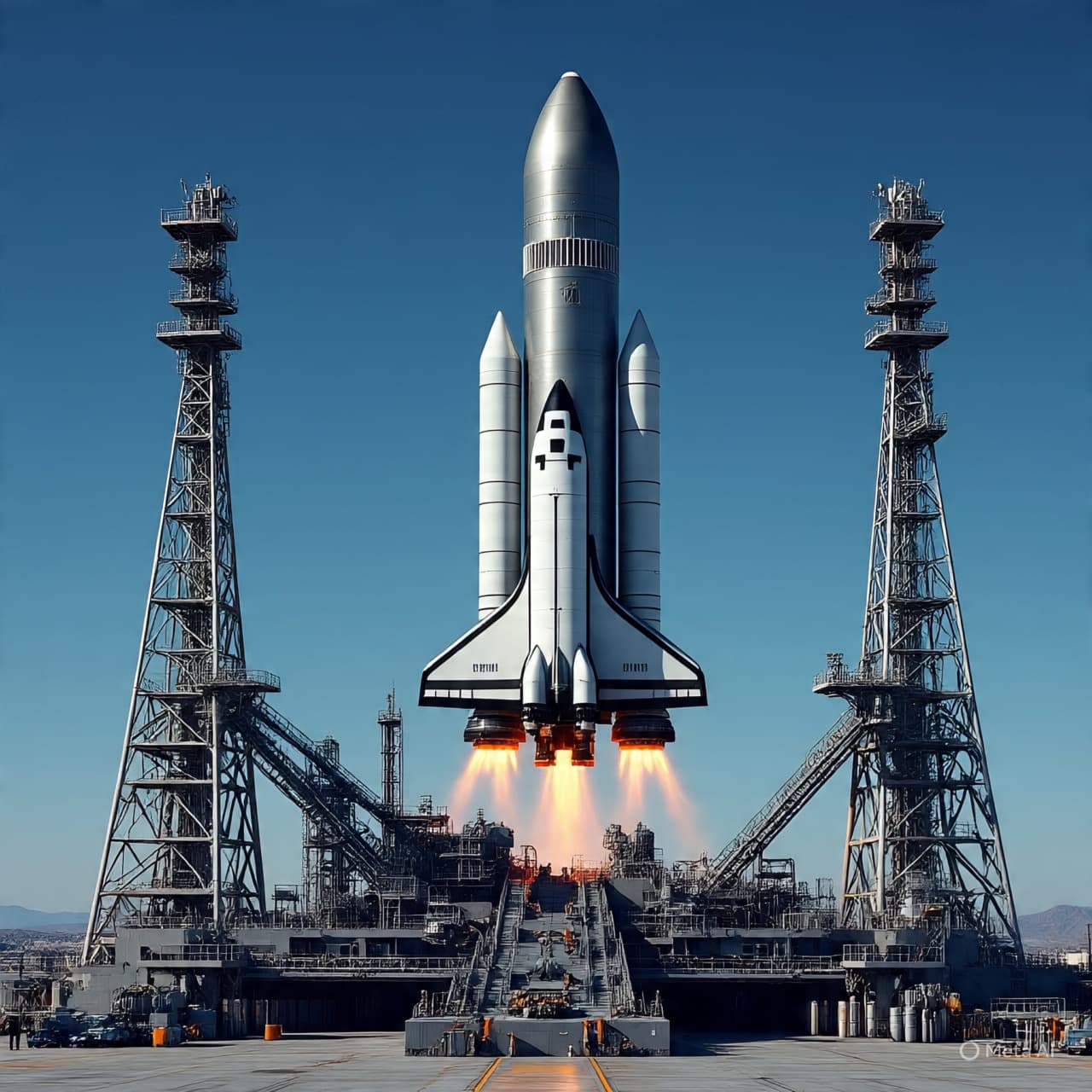
In the cool hours around NASA’s Kennedy Space Center, where towering gantries and launch platforms rise like silent sentinels against the horizon, there exists a rhythm built on patience and precision. Rockets are not creatures of haste but of careful motion, their readiness framed by the slow ticking of tests, checks, and rehearsals that stretch across days and nights. For the Artemis II mission — destined to carry astronauts around the far side of the Moon and back — this rhythm has recently encountered a pause, subtle yet significant, in the midst of its final pre‑launch countdown practices.
Just as the sun dips toward the winter horizon in Florida, engineers have been working through a critical milestone known as the wet dress rehearsal — a rehearsal that mirrors launch operations by fueling the massive Space Launch System (SLS) rocket with cryogenic propellants and running the countdown clock toward a simulated launch. In this quiet choreography of valves, seals, and sensors, teams dress the rocket much as dancers prepare for a performance, hoping to glide through the sequence without misstep. But in recent attempts, that sequence has stalled not on dramatic drama but on something far more prosaic and elusive: hydrogen. The ultracold fuel that will one day propel Orion and its crew skyward has proven tricky to contain, leaking at the interface between ground equipment and the rocket’s fueling lines at a moment when pressures and flows reach their most intense. Detecting that subtle seep — enough to fall outside safety thresholds — stopped the countdown clock before it could reach the final seconds where fire and motion would otherwise take over.
This is not the first time such issues have shadowed the Artemis programme. In earlier tests for the first mission of the SLS rocket, similar hydrogen leaks cropped up, prompting engineers to refine seals and procedures through careful iteration. Cryogenic hydrogen is a marvel of propulsion — boasting vast energy in a liquid colder than any winter night — and yet it is also infamously difficult to manage. Its tiny molecules find pathways through the smallest imperfections, and when mixed with air, the fuel becomes dangerous rather than propulsive. Even so, the teams on the ground have pressed on with steady resolve, replacing seals, adjusting filters, and examining the ground support equipment that links the mighty rocket to the Earth.
In practical terms, what these trials mean is that NASA’s timetable for Artemis II has shifted. A launch once hoped for this month has been deferred with an eye toward March at the earliest, allowing engineers to address the hydrogen issue, conduct another full wet dress rehearsal, and confirm that the countdown sequence can run smoothly to within moments of a true launch. Four astronauts once in quarantine for a February departure find themselves waiting — a testament to the interplay between human aspiration and the meticulous nature of spaceflight preparation.
This pause may seem small to an outside eye, measured in hours and weeks rather than centuries or light‑years. Yet it is part of the broader cadence that defines exploration beyond Earth: careful calibration of machine and matter, silent negotiation between ambition and caution, and the hope that each resolved glitch brings the possibility of liftoff closer. In the days ahead, engineers will pore over data, test repaired components, and practice again that measured countdown that leads toward the Moon. When the clock next begins its descent into launch day, it will carry not only propellant and payload, but the accumulated care of countless unseen hands bringing a human voyage ever nearer to reality.
All Visuals are AI‑generated and serve as conceptual representations.
Sources (Media Names Only)
Ars Technica NASA Space.com CBS News Times of India
Published by Banx Network. This article is part of the Banx decentralized media programme, powered by the BXE token on the XRP Ledger.