Medicine has traditionally waited for illness to become visible. A symptom appears, a patient enters a clinic, tests follow, and treatment begins. In Saudi Arabia, a growing technological movement is attempting to move part of that sequence further upstream, toward identifying risks before disease becomes established.
Artificial intelligence, genomics and data-sharing systems are becoming increasingly important to that effort. At the Forbes Middle East Healthcare Leaders Summit in Riyadh, healthcare, investment and pharmaceutical leaders discussed how these technologies could change the way health risks are identified and managed.
The basic idea is relatively simple even when the technology behind it is complex. Instead of waiting for a patient to develop obvious symptoms, healthcare providers can use large quantities of medical information to identify patterns that may indicate elevated risk.
Artificial intelligence can help analyze information at a speed and scale that would be difficult to reproduce manually. When combined with genomic information and other health data, these systems can potentially help clinicians identify warning signs earlier and determine which interventions may be appropriate.
Data-sharing is becoming another important part of that transition. Arab News reported that healthcare leaders at the Riyadh summit identified greater data sharing as an emerging tool for improving intervention strategies and supporting earlier action.
The shift toward prevention also changes the relationship between technology and the healthcare system. AI does not simply become another piece of hospital equipment; it can become part of the information infrastructure through which doctors, researchers and health organizations understand patient populations.
Saudi Arabia has also been developing locally focused medical AI applications. Earlier in September, the Saudi Food and Drug Authority authorized two locally developed AI-enabled medical software products, Dental IQ and SAARIA, designed to support dental and ophthalmic diagnosis. The authorization followed regulatory review of technical documentation and clinical evidence.
Such developments show how artificial intelligence is moving from a general technological concept toward specific clinical applications. Diagnostic support tools, predictive systems and data-analysis platforms can potentially become part of routine healthcare operations when they meet regulatory and clinical requirements.
There are still important practical considerations. Healthcare data is highly sensitive, and systems that analyze it must operate within appropriate standards for privacy, security, accuracy and clinical oversight. The usefulness of an AI system depends not only on its ability to process information, but also on the quality of the information it receives and the way medical professionals interpret its results.
The broader direction, however, is increasingly visible. Saudi healthcare is exploring a model in which technology helps shift attention from treating disease after it appears toward identifying risks earlier. The journey from treatment to prevention is not being completed by algorithms alone, but AI is becoming one of the tools helping shape that path.
Image Disclaimer:
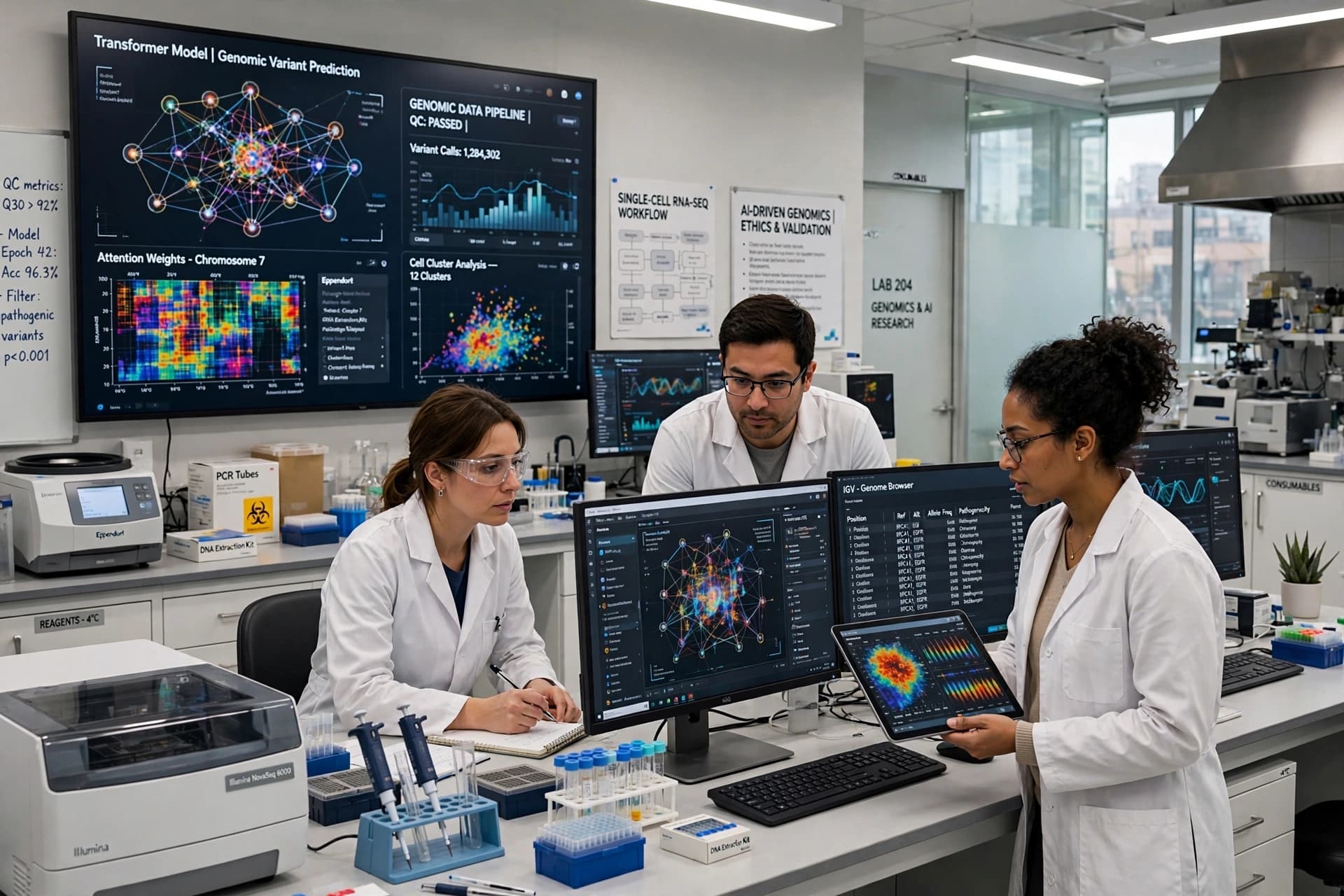
Illustrations were created using AI tools and are conceptual representations, not photographs of real patients, hospitals, or medical procedures.
Sources:
Arab News Saudi Food and Drug Authority Forbes Middle East Saudi Ministry of Health Saudi Data and AI Authority
Published by Banx Network. This article is part of the Banx decentralized media programme, powered by the BXE token on the XRP Ledger.