In the quiet corridors of Indonesia’s correctional facilities, the annual rhythm of Independence Day brings with it a tradition that is both bureaucratic and deeply symbolic: the granting of remissions. For former Deputy Minister of Manpower Noel Ebenezer, this year’s celebration carries a different weight, marking not just national pride but a tangible reduction in his sentence. The news serves as a gentle reminder of how legal processes intersect with national holidays, offering a moment of reflection on justice, rehabilitation, and the passage of time.
Noel, who was sentenced to four and a half years in prison for corruption, finds himself among thousands of inmates eligible for sentence reductions. The Ministry of Law and Human Rights has confirmed that he received a remission as part of the broader Independence Day amnesty. This gesture, while routine in its administrative execution, holds significant personal implication for those behind bars, shortening the distance between their current reality and eventual freedom.
The specific amount of the remission aligns with standard regulations for inmates who have demonstrated good behavior and participated in rehabilitation programs. While the exact number of days may seem small in the grand scheme of a multi-year sentence, each day subtracted represents a step toward reintegration into society. For Noel, whose case drew considerable public attention due to his former high-ranking position, this reduction is a procedural milestone rather than a political statement.
Corruption cases involving public officials often stir strong emotions within the community, yet the application of remission laws remains grounded in established legal frameworks. The government’s approach emphasizes that punishment is not merely about confinement but also about providing pathways for reform. By adhering to these guidelines, the state maintains a balance between accountability for past actions and encouragement for future positive change.
Public reaction to such news can be mixed, with some viewing remissions as a necessary component of a humane justice system, while others question their appropriateness for high-profile offenders. However, the legal basis for these reductions is clear, relying on objective criteria such as length of service, conduct, and participation in prison activities. This ensures that the process remains transparent and consistent, regardless of an inmate’s previous status or fame.
As Noel continues to serve his remaining time, the remission serves as a small but meaningful acknowledgment of his compliance with prison regulations. It underscores the idea that even in the face of serious legal consequences, there is room for measured progress. The focus now shifts to how he utilizes this time to prepare for life after incarceration, a journey that requires patience, humility, and a genuine commitment to change.
The broader context of Indonesia’s prison system sees tens of thousands of inmates receiving similar benefits during national holidays. This mass application of remission highlights the scale of the correctional population and the administrative efforts required to manage it. For individuals like Noel, it is a personal event; for the nation, it is a recurring demonstration of its legal and humanitarian principles.
Ultimately, the story of Noel’s remission is one of gradual movement through the justice system. It invites observers to consider the complexities of punishment and redemption, recognizing that legal sentences are not static but evolve based on behavior and time. As Indonesia celebrates its independence, the reduction of sentences for eligible inmates stands as a quiet testament to the country’s ongoing effort to balance justice with mercy.
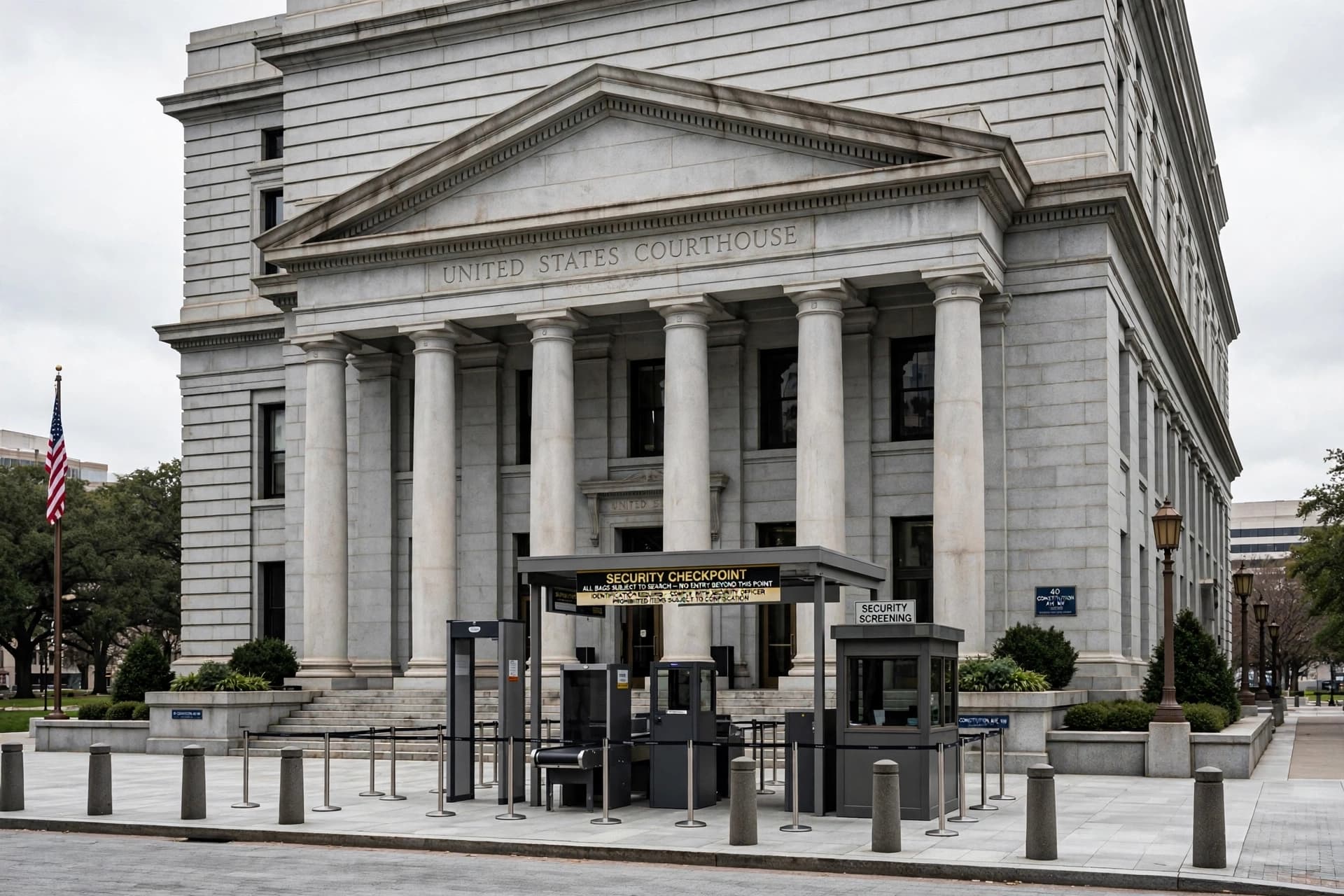
AI Image Disclaimer: The accompanying visual representations are generated by artificial intelligence to illustrate the thematic elements of legal proceedings and national observance.
Sources: Tempo.co, The Jakarta Post, Kompas.id, Antara News
Published by Banx Network. This article is part of the Banx decentralized media programme, powered by the BXE token on the XRP Ledger.