There was a time when luxury meant permanence. A handbag passed down generations, a watch that outlived its owner, shoes that grew more personal with every repair. Today, that promise is quietly eroding. Increasingly, luxury goods are failing not after decades, but within months — sometimes weeks — of purchase.
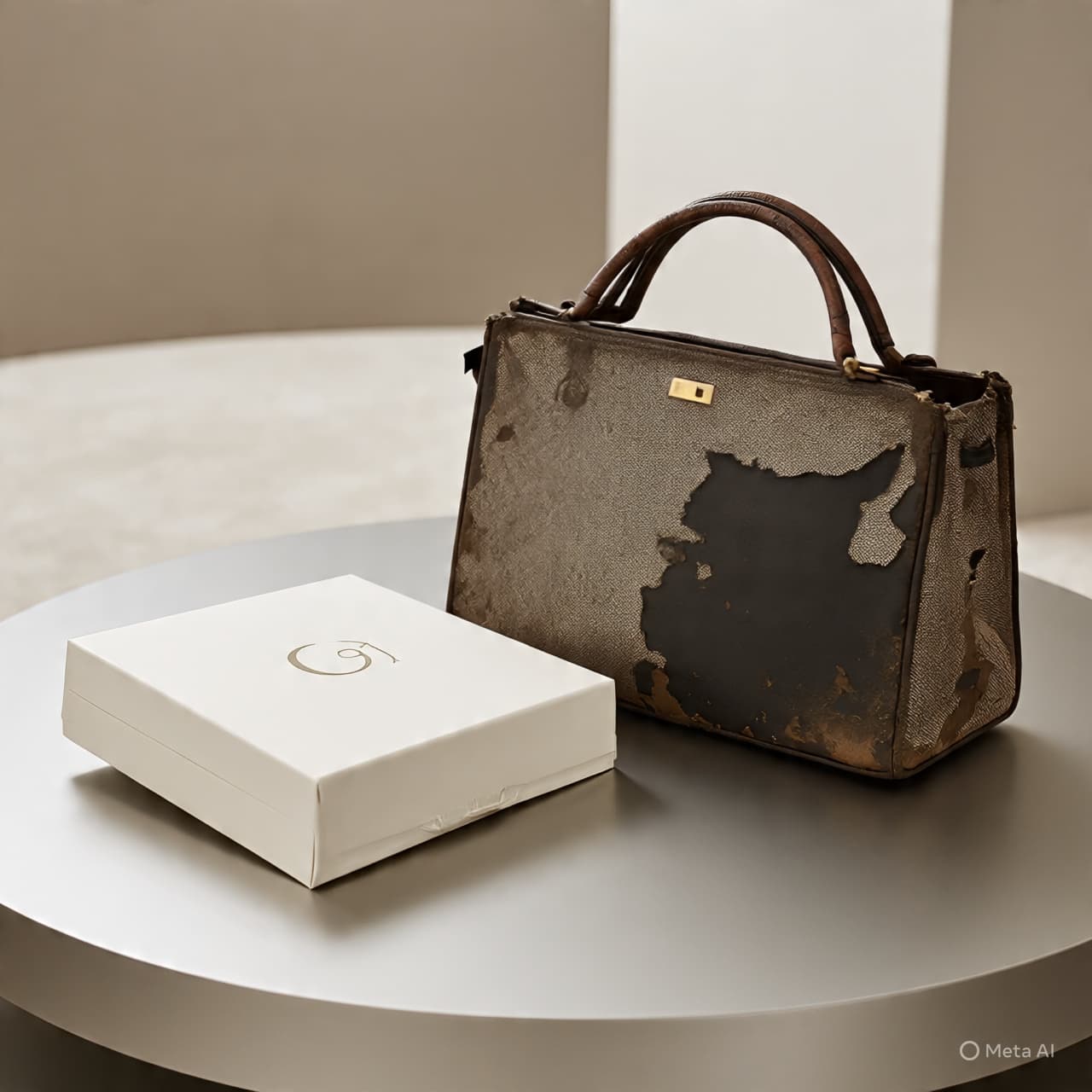
Consumers who once equated high prices with exceptional craftsmanship are now reporting peeling leather, broken hardware, and seams that give way with unsettling speed. What was once dismissed as an occasional defect is beginning to feel systemic. In the pursuit of scale, speed, and shareholder growth, many luxury houses appear to have traded durability for volume.
The shift mirrors a broader transformation in the fashion industry. As global demand surged, heritage brands expanded rapidly, producing more collections, more seasonal drops, and more entry-level items aimed at younger buyers. In doing so, production increasingly moved toward faster timelines and outsourced manufacturing — often at the expense of meticulous craftsmanship that once defined luxury’s value.
At the same time, marketing has grown louder as materials grow thinner. Prestige is now built as much on social media presence as on construction quality. Logos have become louder, while longevity has grown quieter. The result is a paradox: items that look expensive but behave like fast fashion once worn.
For consumers, the disappointment cuts deeper because luxury has always been about trust. Buyers expect that a premium price guarantees not just status, but endurance. When that promise breaks, it erodes more than a product — it damages a brand’s credibility.
Yet this moment may also signal a reckoning. As awareness spreads, some consumers are turning back toward craftsmanship, repair culture, and brands that prioritize longevity over seasonal hype. In a market flooded with excess, durability itself is becoming the new luxury.
Whether the industry listens remains to be seen. But as more high-end goods fail the simplest test — lasting — the definition of luxury may be forced to change once again.
Published by Banx Network. This article is part of the Banx decentralized media programme, powered by the BXE token on the XRP Ledger.