Nature, in its vast and unpredictable majesty, often defies simple categorization. Over the weekend, eastern Australia experienced a meteorological whirlwind that seemed to compress four seasons into forty-eight hours. From sweltering heatwaves to biting snow, from gentle rains to destructive floods, the weather patterns challenged residents’ expectations and resilience. This chaotic display serves as a vivid reminder of the dynamic forces at play in our climate system and the increasing variability that characterizes modern weather events.
The weekend began with unseasonable heat, pushing temperatures well above average in many regions. Cities and towns baked under intense sun, prompting warnings about heat stress and fire danger. For many, it felt like the height of summer, despite the calendar suggesting otherwise. This warmth, however, was not stable. It acted as fuel for the atmospheric instability that would soon follow, creating the conditions for severe weather developments.
As the heat peaked, gusty thunderstorms rolled in, bringing with them strong winds and heavy rainfall. These storms were not merely inconvenient; they were powerful enough to cause damage to property and infrastructure. Trees were uprooted, power lines downed, and streets turned into rivers. The sudden shift from dry heat to deluge caught many off guard, highlighting the difficulty of preparing for such rapid transitions.
In higher elevations, the story was different yet equally dramatic. As cold fronts moved through, rain turned to snow, blanketing mountainous areas in white. Ski fields saw unexpected accumulations, while lower-altitude towns faced freezing temperatures. The contrast between the coastal heat and the alpine snow within the same region underscored the complexity of the weather system affecting the continent.
Flooding became a significant concern in low-lying areas and near waterways. Rivers rose quickly, threatening homes and forcing evacuations in some instances. Emergency services worked tirelessly to assist those affected, navigating hazardous conditions to ensure public safety. The community spirit shone through as neighbors helped each other secure properties and share resources.
Meteorologists attribute this wild swing in weather to a combination of factors, including broader climate patterns and local atmospheric dynamics. While extreme weather is not new to Australia, the intensity and speed of these changes are noteworthy. It prompts discussions about adaptation and preparedness, encouraging individuals and governments to remain vigilant in the face of evolving climate realities.
As the skies clear and the waters recede, the cleanup begins. The weekend’s events leave behind both physical messes and mental reflections on the power of nature. For eastern Australia, it was a test of endurance and adaptability. The experience reinforces the need for robust warning systems and community cohesion in dealing with the unpredictable whims of the weather.
Eastern Australia endured a volatile weekend of extreme weather, ranging from heatwaves to snow and flooding, highlighting the region's exposure to rapid and intense climatic shifts.
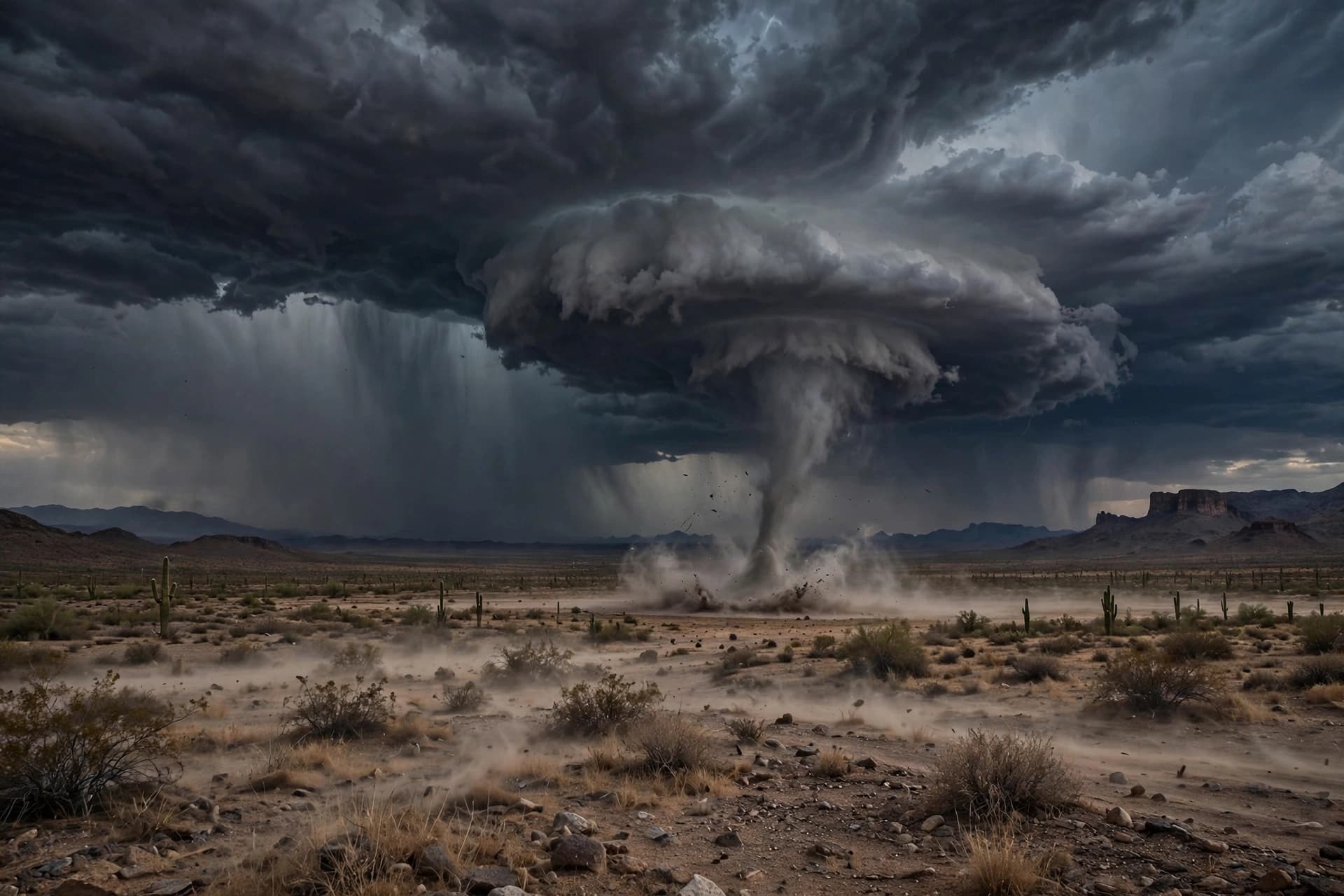
AI Image Disclaimer: Visuals associated with this article are computer-generated interpretations designed to complement the narrative, not actual photographic evidence.
Sources: Bureau of Meteorology (BOM) The Sydney Morning Herald ABC News (Australia) The Guardian Australia
Published by Banx Network. This article is part of the Banx decentralized media programme, powered by the BXE token on the XRP Ledger.