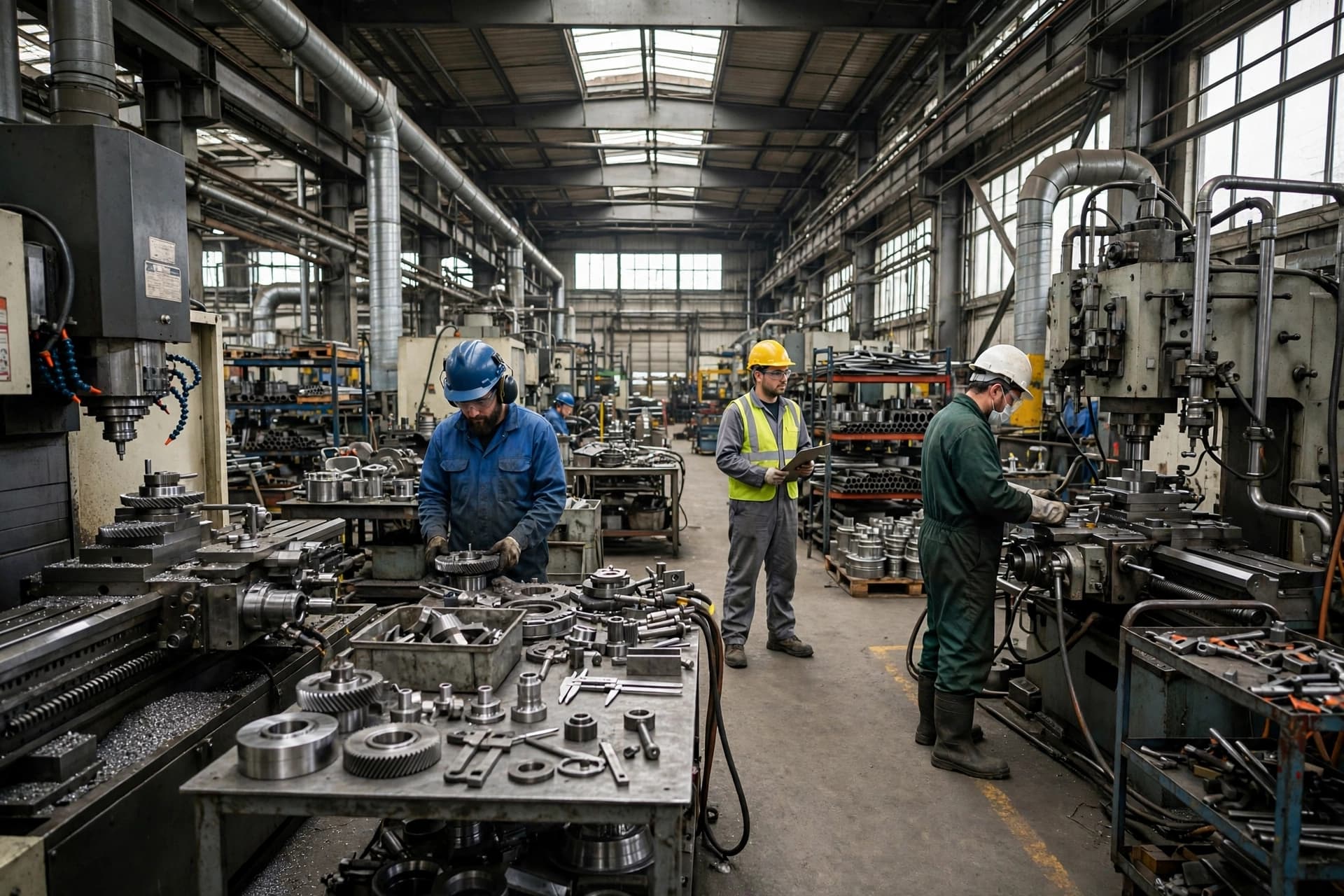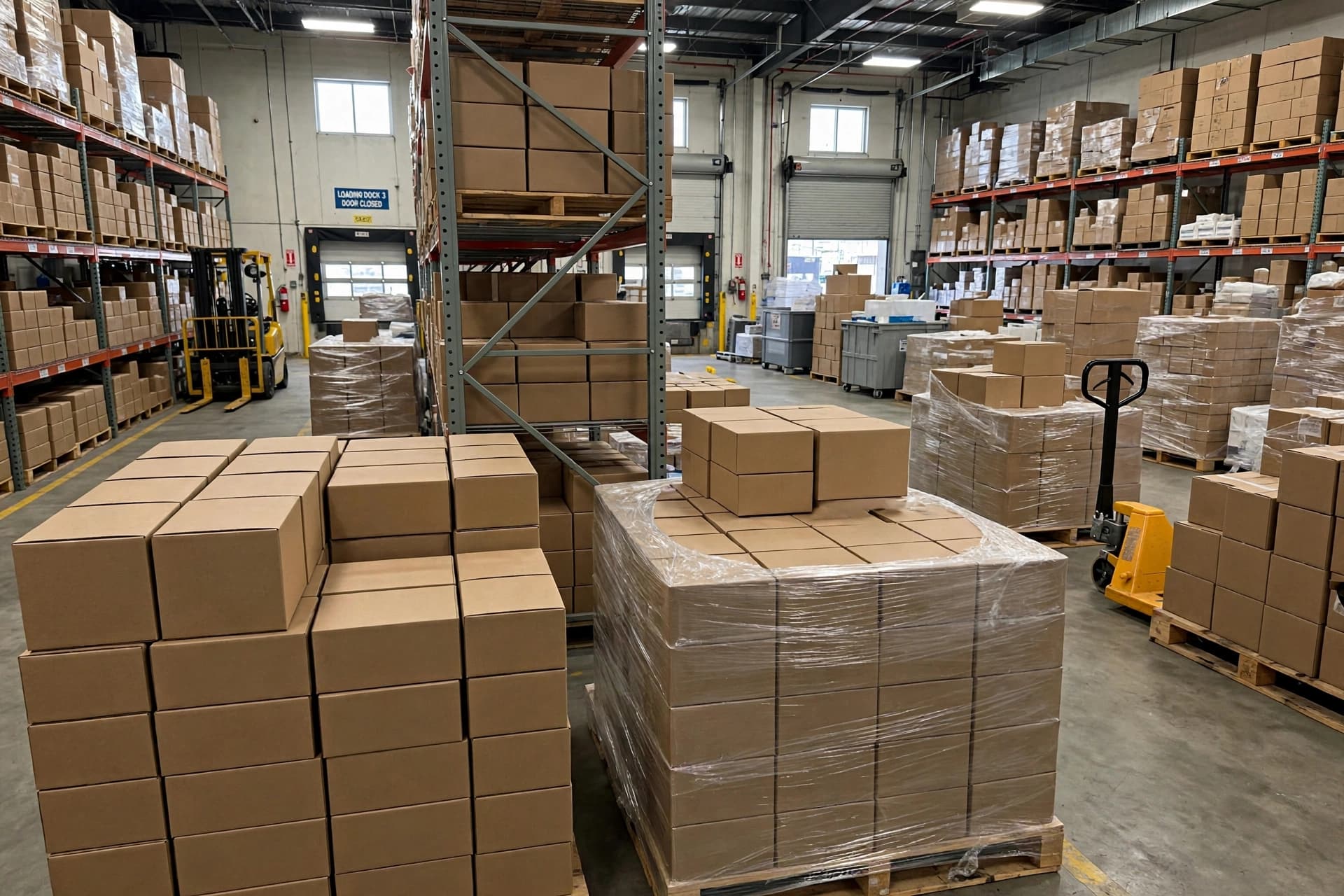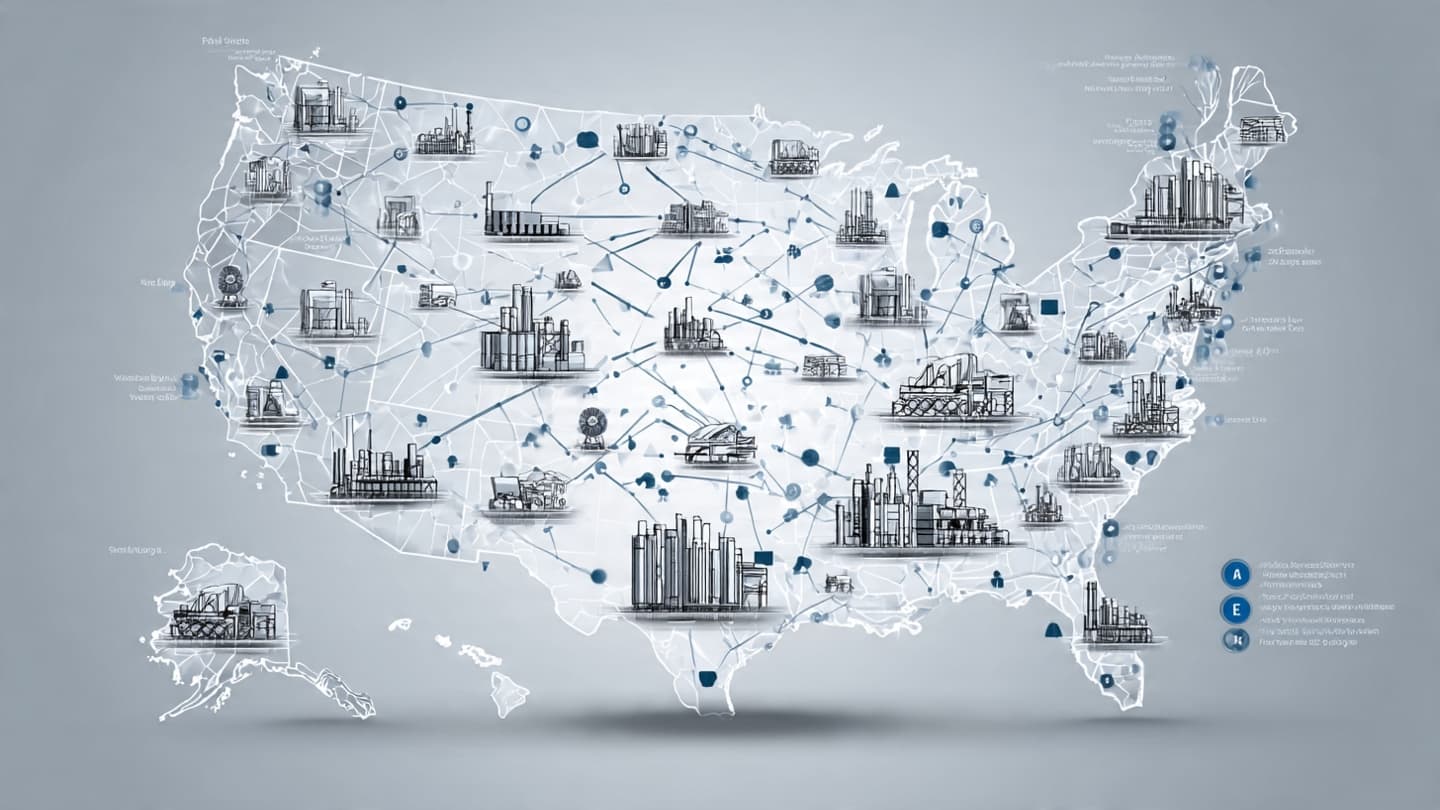
In the wake of recent global disruptions, the concept of supply chain security has moved from the back office to the forefront of national strategy. For decades, efficiency and cost reduction were the primary drivers of global trade, leading to complex, interdependent networks. But events like the pandemic and geopolitical tensions have exposed the vulnerabilities of this model. In response, the United States is launching a concerted effort to strengthen domestic supply chains, particularly in critical sectors like semiconductors, pharmaceuticals, and energy. This shift towards "friend-shoring" and near-shoring is not just about economics; it is about national security and resilience.
The initiative involves significant government investment and policy changes to encourage companies to bring production back to the US or to allied nations. The CHIPS Act, for example, provides billions in subsidies for semiconductor manufacturing. Similarly, incentives for renewable energy production aim to reduce dependence on foreign fossil fuels. These measures are designed to create a more robust and self-reliant industrial base. They seek to mitigate the risks of external shocks and ensure that essential goods are available in times of crisis.
For businesses, this transition presents both challenges and opportunities. Relocating production requires substantial capital investment and time. It also involves navigating new regulatory environments and labor markets. However, it offers greater control over quality, intellectual property, and delivery schedules. Companies that adapt early may gain a competitive edge in a market that increasingly values reliability and security. It is a strategic pivot that aligns business interests with national priorities.
The environmental impact of this shift is also a consideration. Localizing production can reduce transportation emissions, contributing to climate goals. However, it must be done sustainably, ensuring that new facilities adhere to strict environmental standards. The goal is to build a green and resilient supply chain, one that supports both economic and ecological health. This dual focus is essential for long-term viability.
Internationally, the US move is influencing global trade patterns. Allies are encouraged to deepen economic ties, creating regional hubs of production. This strengthens diplomatic relationships and creates a buffer against adversarial actions. It represents a shift from purely globalized trade to a more regionalized and secure model. While it may reduce some efficiency, it increases stability and trust among partners.
For consumers, the benefits may include more stable prices and availability of goods. While initial costs might rise due to higher domestic production expenses, the long-term stability can prevent severe shortages and price spikes. It creates a more predictable market environment, benefiting both households and businesses.
As we look to the future, the emphasis on supply chain resilience will likely persist. It is a recognition that in an uncertain world, self-reliance is a form of security. The US is leading this charge, setting an example for other nations to follow. The journey is complex, but the destination is a more secure and sustainable economic system.
In the end, the supply chain shield is about protecting the nation’s economic heart. It is a proactive measure to safeguard against future disruptions. By investing in domestic capabilities and strong alliances, the US is building a foundation for enduring prosperity. The lesson is clear: resilience is the new efficiency. AI Image Disclaimer: Images in this article are AI-generated illustrations, meant for concept only.
Sources: White House Reuters Bloomberg The New York Times CNBC
Published by Banx Network. This article is part of the Banx decentralized media programme, powered by the BXE token on the XRP Ledger.