In California, where the landscape oscillates between drought and deluge, the arrival of El Niño brings both anticipation and anxiety. As a potentially historic El Niño event strengthens in the Pacific, state officials are looking beyond the risks of flooding to see if these powerful storms can offer a reprieve from years of dryness. The question is no longer just how to survive the rain, but how to harness it, turning a natural hazard into a resource for water security and ecological renewal.
Governor Gavin Newsom has declared a state of emergency to bolster statewide preparedness, acknowledging the potential for a "very strong" El Niño. This proactive measure allows agencies to coordinate resources, reinforce infrastructure, and prepare for heavy rainfall and coastal impacts. The declaration reflects a shift in strategy, moving from reactive disaster management to proactive opportunity capture.
California’s water system has suffered from prolonged drought, depleting reservoirs and groundwater aquifers. El Niño-driven storms offer a chance to recharge these vital supplies. Projects are underway to capture stormwater, restore wetlands, and improve soil health to maximize infiltration. By treating rain as a valuable asset, the state aims to build resilience against future dry spells.
However, the benefits come with significant risks. Heavy rains can cause flooding, landslides, and erosion, particularly in areas affected by previous wildfires. Urban centers face challenges with drainage systems, while rural communities worry about agricultural disruption. Balancing the need for water with the need for safety requires careful planning and investment in infrastructure.
Scientists and climate experts emphasize that El Niño is not a guarantee of uniform rainfall. Its effects can be unpredictable, with some regions receiving abundant precipitation while others remain dry. This variability necessitates flexible management strategies that can adapt to changing conditions. Advanced forecasting tools are being used to monitor weather patterns and guide decision-making.
Environmental groups see El Niño as an opportunity to restore natural ecosystems. Wetlands, rivers, and forests benefit from increased water flow, which supports biodiversity and improves habitat quality. Restoration projects are being accelerated to take advantage of the wet conditions, aiming to create healthier landscapes that can better withstand climate extremes.
Public engagement is crucial in this effort. Residents are encouraged to prepare their homes, conserve water when possible, and participate in local conservation initiatives. Education campaigns highlight the dual nature of El Niño, promoting awareness of both its dangers and its potential benefits. This collaborative approach fosters a sense of shared responsibility.
As the winter approaches, the state remains vigilant. Emergency crews are on standby, and communication channels are open to ensure rapid response to any incidents. The goal is to minimize harm while maximizing the positive impacts of the rainfall, turning a challenging season into a step toward long-term sustainability.
California’s approach to El Niño reflects a growing understanding of climate adaptation. By seeking to capitalize on big storms, the state is not just managing risk but exploring new ways to thrive in a changing environment. The outcome of this season will offer valuable lessons for future water management and disaster preparedness.
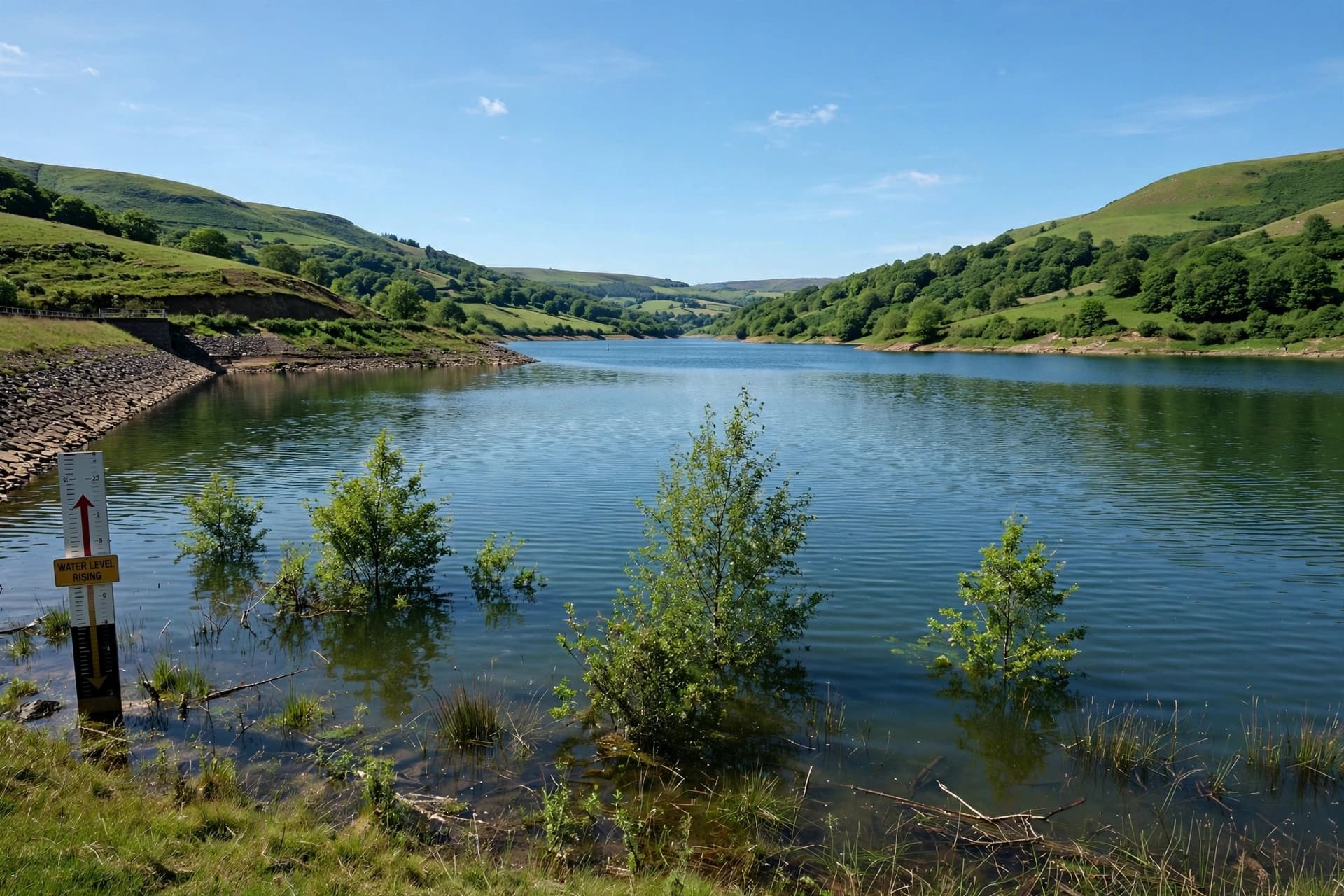
AI Image Disclaimer: Visuals in this article are AI-generated conceptual illustrations of water management and storm preparation, not actual photographs of specific California locations.
Sources: Gov.ca.gov River Partners Newsweek Sensor Industries ABC7 News
Published by Banx Network. This article is part of the Banx decentralized media programme, powered by the BXE token on the XRP Ledger.