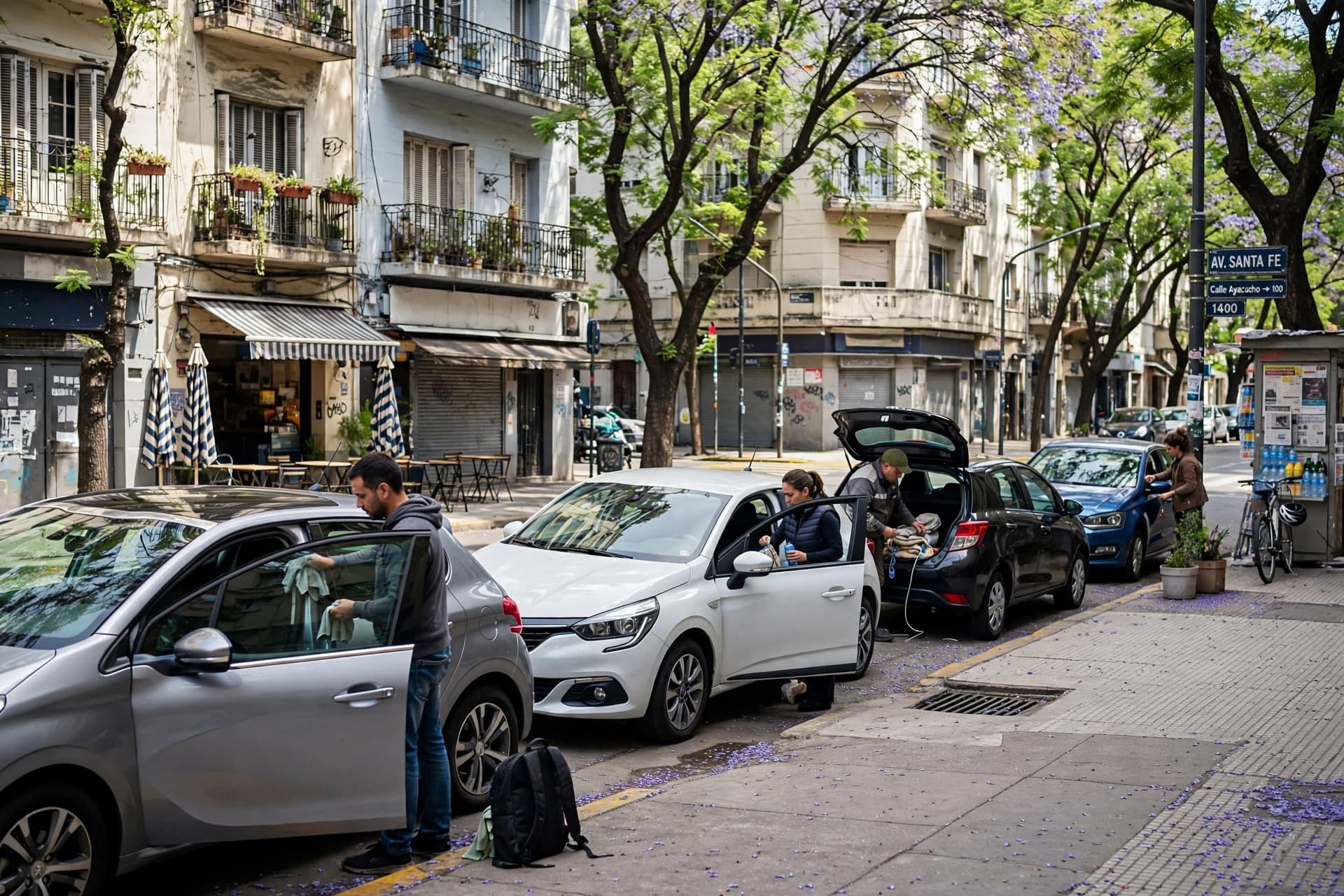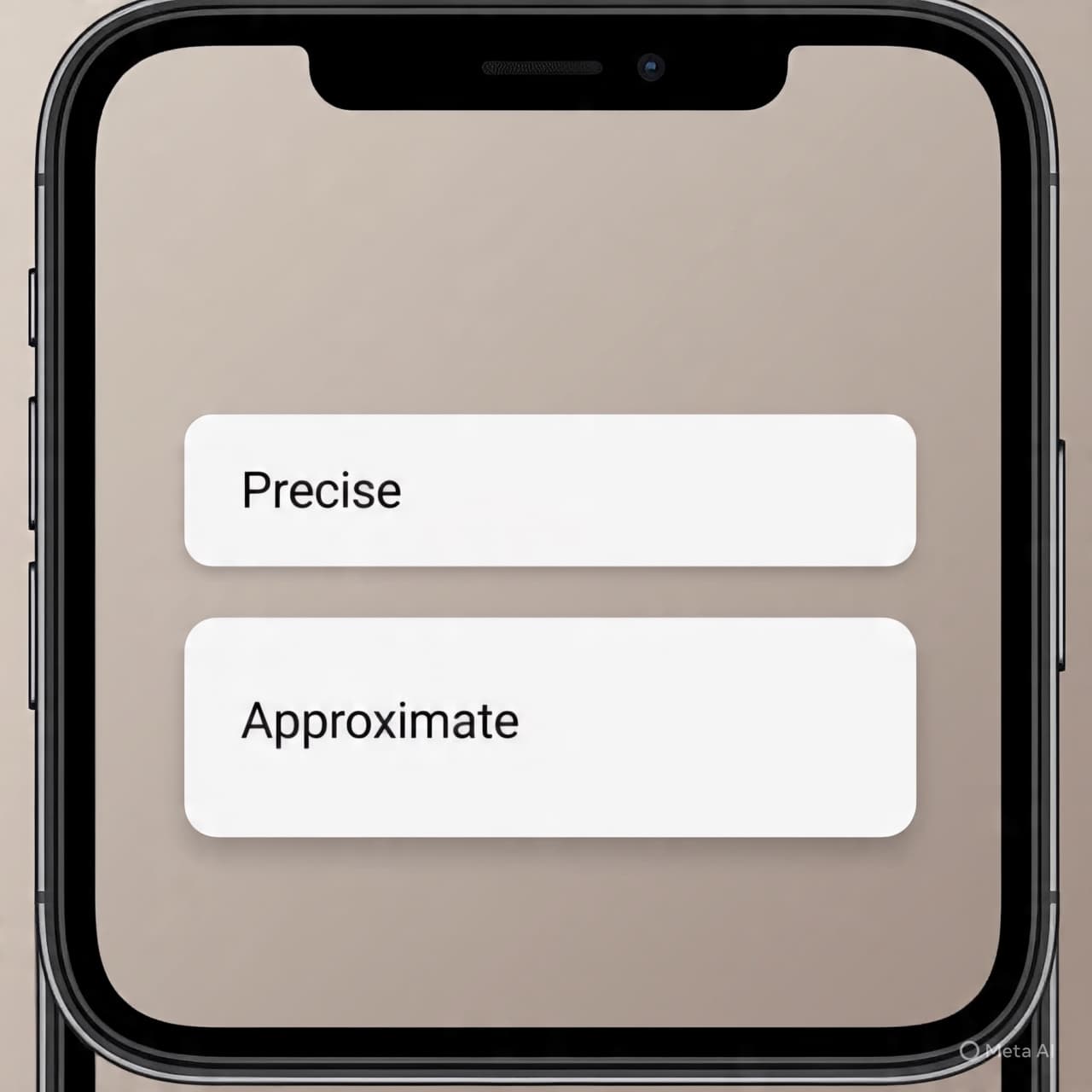
On modern Android devices, when an app requests location access, you often see a choice: grant Precise location (high accuracy, down to meters) or Approximate location (broader, less revealing). The latter has been pitched as the more privacy‑friendly option — especially for apps that don’t need full GPS accuracy, like weather, news, or retail. However, a shortcoming arose: the “approximate” radius was static (for example around 1‑3 square kilometres) regardless of whether you were in a dense city or a remote rural area.
In remote locations with low population density, that fixed radius could still narrow you down to just one farm, one building, or one house — defeating much of the point of “approximate”. Recognising this gap, Android 16 introduces a refined mechanism that adapts the granularity of approximate location based on population density: the feature is known as density‑based coarse locations.
Here’s how it works: the system uses a “population density provider” (via services such as Google Play Services or OEM‐customised equivalents) to estimate how many people live in a given area. In a dense city area, the approximate location radius remains relatively tight (since being among many neighbours maintains anonymity). But in a remote location, the system makes the radius much larger so that the set of “possible spots” remains sufficiently broad.
The net effect: apps that request your “approximate” location will receive less‑specific coordinates in rural zones — meaning fewer chances for tracing or identifying you uniquely. From a privacy standpoint, this is a meaningful step. Past reporting flagged that when location access is broad in rural areas, the differential between “approximate” and “precise” becomes dangerously small.
For app developers and users alike, the change has implications. Developers need to recognise that getting an approximate location now comes with extra variability depending on geography. And users now gain a stronger guarantee — selecting “approximate” truly means “you won’t know exactly where I am” even in sparsely populated areas. That said, this feature still depends on manufacturer rollout and on whether the population density provider is active in a given region or device. As one report noted, while the developer flag is present on Pixel devices, it isn’t clear yet whether it’s fully live everywhere.
Moreover, Android 16 also carries other privacy enhancements, such as expanded local‑network protections and revised background access rules, though the density‑based approximate location fix is one of the more subtle yet impactful ones.
For you as a user: if you’ve been setting apps to “approximate location” and worried about how much that really protects you — particularly if you live or travel in rural or low‑density areas — this update delivers improved assurance. You might not notice a huge change in day‑to‑day use, but the underlying location granularity shifts to safeguard you better. AI Image Disclaimer “Images in this article are AI‑generated illustrations, meant for concept only.”
Sources : Android Authority WebProNews Android Developers Android Developers 9to5Google
Published by Banx Network. This article is part of the Banx decentralized media programme, powered by the BXE token on the XRP Ledger.