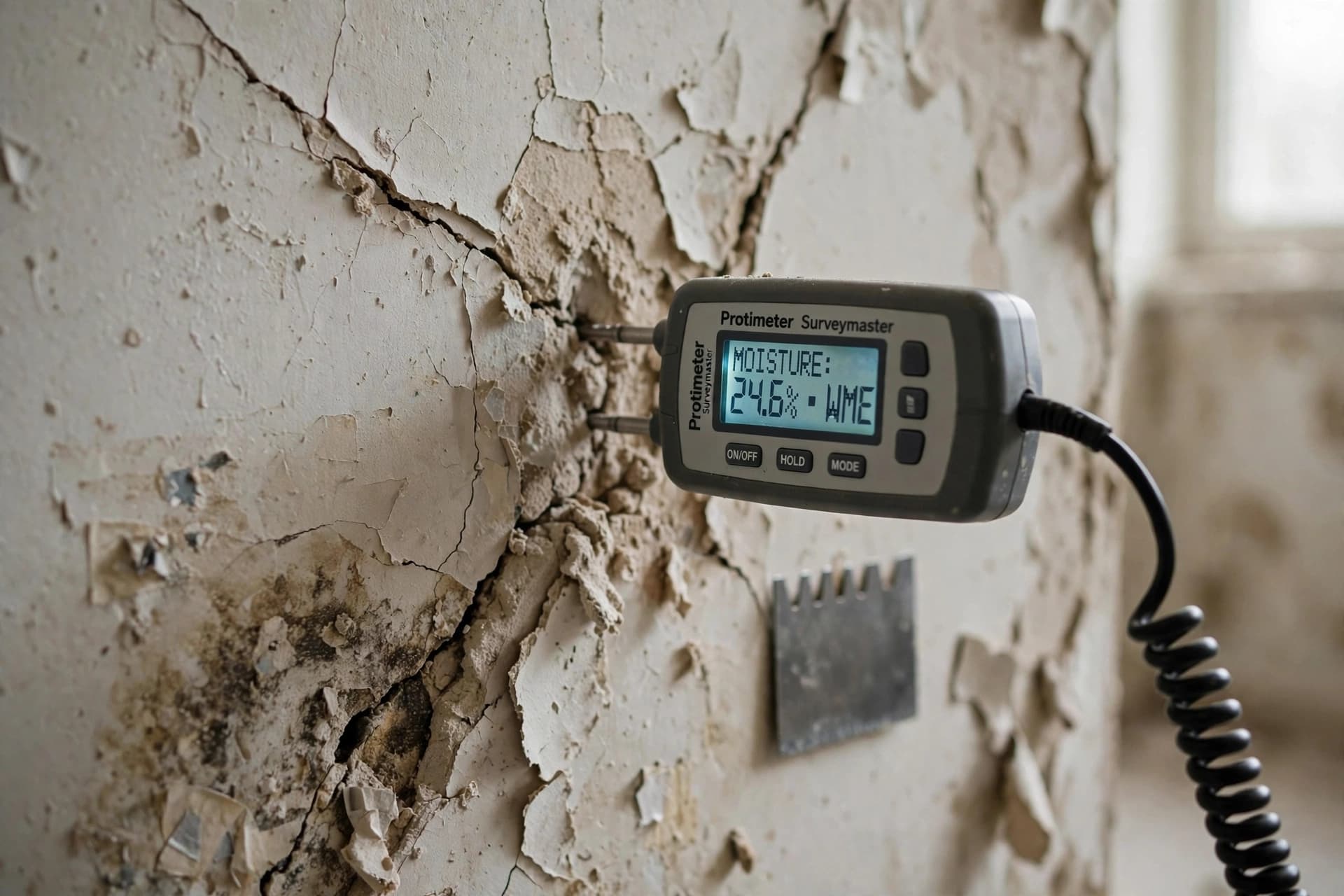
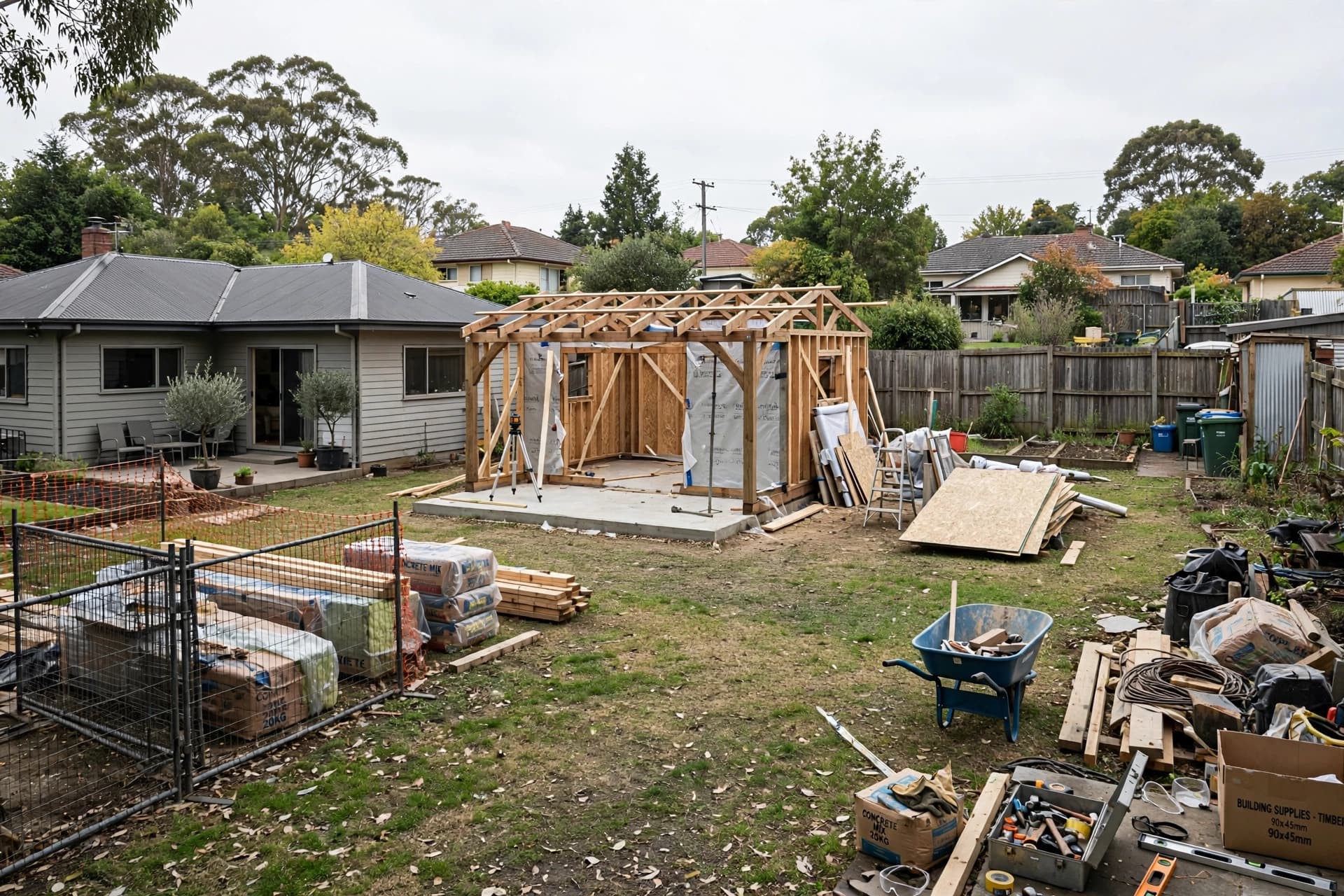
Buildings, like memories, hold onto the echoes of what once filled them. Laughter, movement, and routine settle into walls long after doors close and lights dim. In Harrisburg, a structure once known for its steady rhythm of diners and conversations now stands quieter, its familiar energy replaced by stillness that invites reflection rather than nostalgia.
For years, the building served as the hopping home of Arooga’s, a place where evenings blurred into weekends and familiarity became tradition. Its presence was less about architecture and more about habit, woven into the daily life of the city. When it emptied, the absence felt larger than the footprint it left behind.
Now, that stillness has shifted. The property has found a new owner, marking a change that is less dramatic than symbolic. Ownership transfers do not bring instant transformation, but they suggest intention, the possibility of use, and the promise that pause does not mean permanence.
Details surrounding the purchase reflect a common pattern seen across many cities adjusting to post-pandemic realities. Former restaurant spaces, once designed for crowds and constant motion, are being reconsidered for new purposes. What those purposes may be often unfolds slowly, shaped by zoning, investment planning, and community needs.
Local observers note that such transactions are part of a broader recalibration rather than a sudden revival. Empty commercial buildings are being quietly absorbed into longer-term visions, sometimes repurposed, sometimes held in reserve, and sometimes awaiting the right alignment of demand and timing.
For the surrounding neighborhood, the change brings cautious curiosity. A new owner does not guarantee redevelopment, but it reduces uncertainty. It replaces vacancy with stewardship, even if plans remain undefined. In cities like Harrisburg, that alone can matter.
The building’s past remains visible in its structure and layout, reminders of a chapter that shaped its identity. Yet real estate has a way of carrying multiple stories at once, honoring what was while making room for what might be.
As the property enters this next phase, its future will likely be shaped not by urgency but by patience. Reuse, renovation, or reinvention often arrives incrementally. For now, the transition itself stands as a quiet signal that the city continues to adjust, one building at a time.
AI Image Disclaimer (Rotated Wording)
Illustrations shown with this article are AI-generated and intended to represent concepts rather than real-life photographs.
Source Check (Credible Media Scan)
1. PennLive 2. The Patriot-News 3. ABC27 4. WGAL 5. Central Penn Business Journal
Published by Banx Network. This article is part of the Banx decentralized media programme, powered by the BXE token on the XRP Ledger.