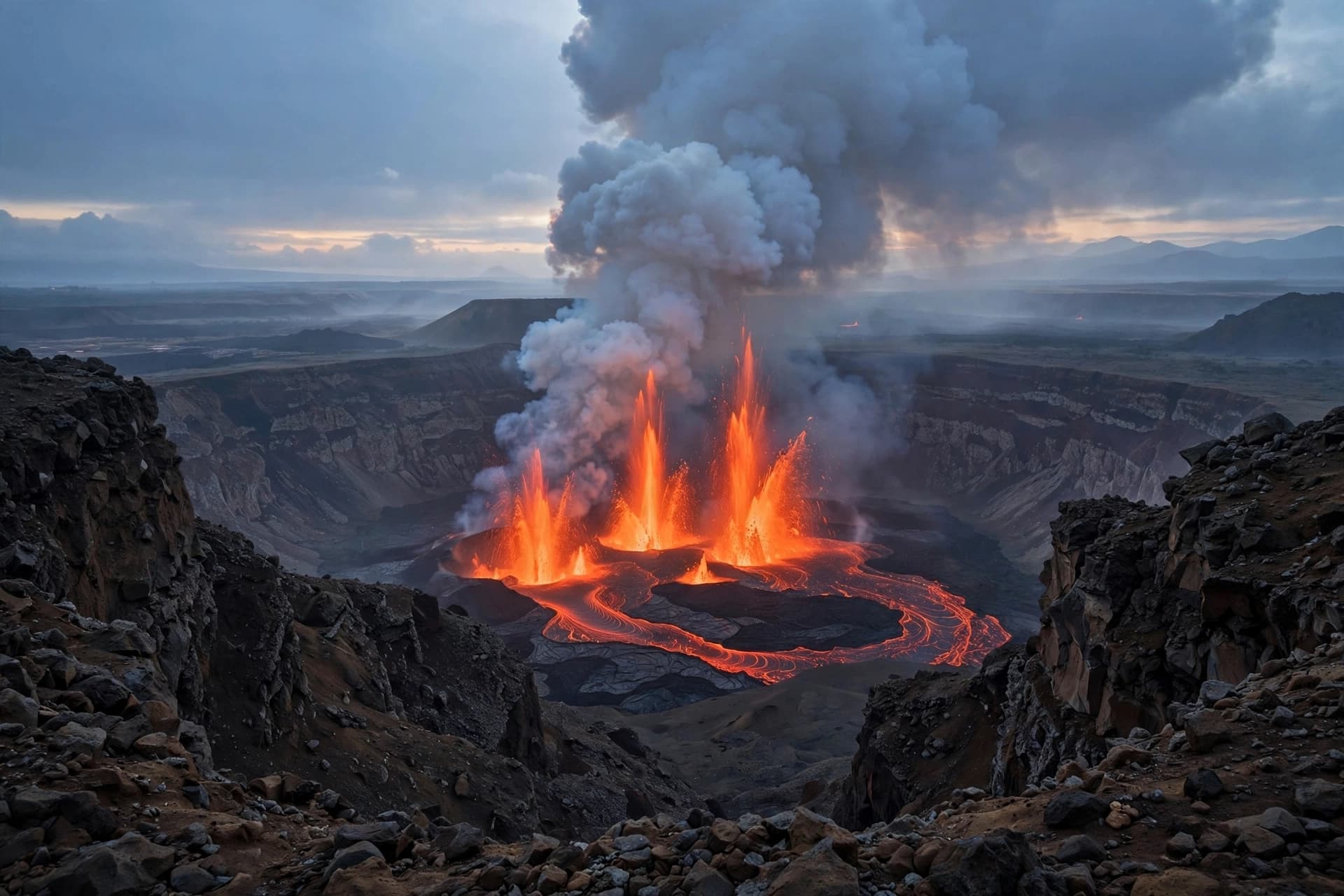
Amid the silent ruins of Fukushima, where empty streets and abandoned homes speak of a sudden departure, life persists in ways both unexpected and astonishing. Tiny microbes, invisible to the naked eye, have endured levels of radiation that would seem insurmountable, surviving—and even thriving—where humans have retreated.
It is a quiet testament to resilience. In soil and puddles, these microorganisms continue their ancient work, metabolizing, reproducing, and adapting with a patience that spans generations. Scientists observing them marvel not only at their survival but at the subtle adaptations that allow them to withstand mutagenic forces. In this desolate landscape, the pulse of life beats softly, reminding us that existence often finds a way, even in places humans deem uninhabitable.
Beyond the scientific intrigue lies a reflection on perspective. The Fukushima microbes hint at the remarkable plasticity of life, capable of responding to extreme stress with innovation invisible to most eyes. They invite us to reconsider the boundaries of survival, to acknowledge the hidden vitality that lingers in abandoned spaces, and to respect the quiet intelligence of nature’s smallest architects.
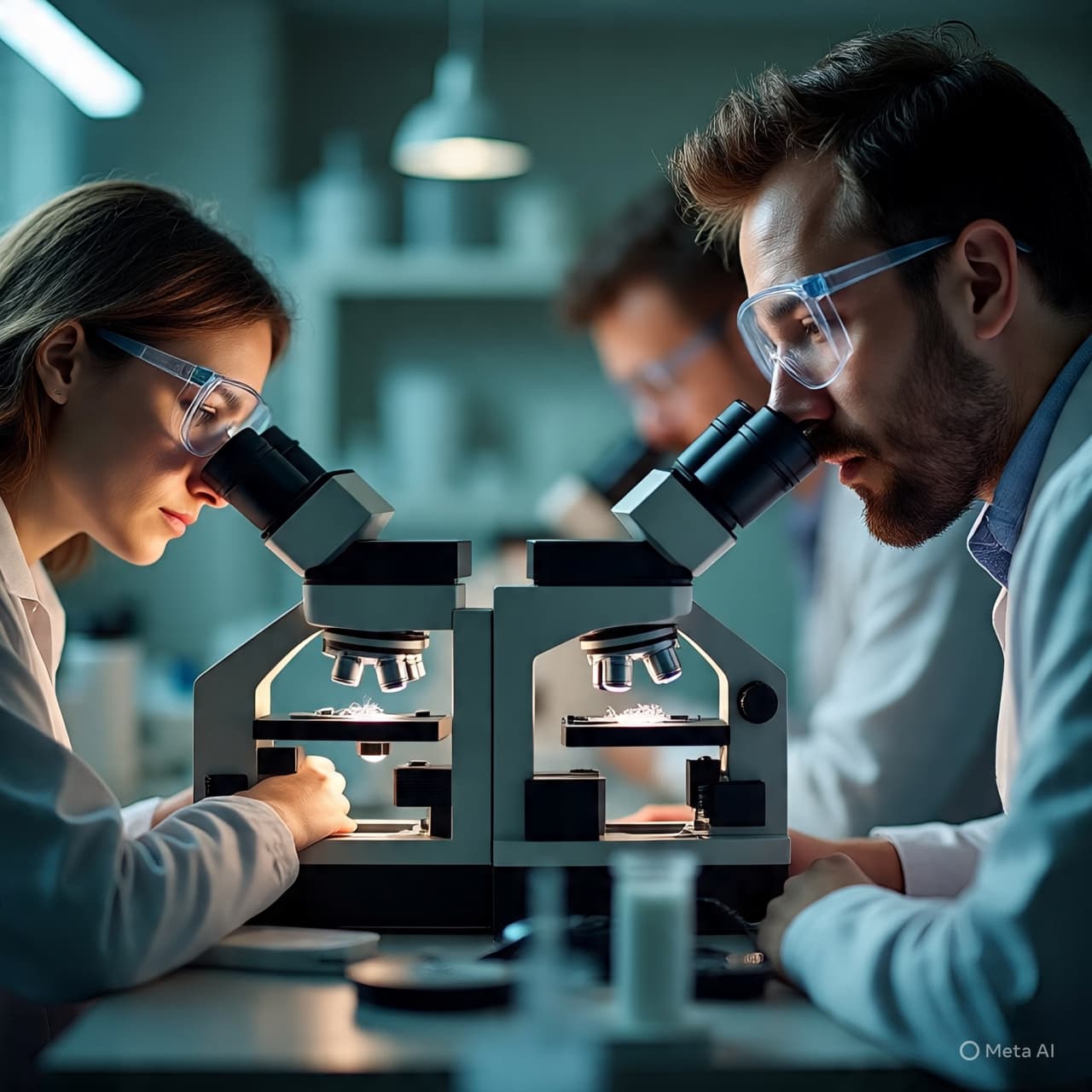
As researchers probe their genetic makeup, hoping to learn lessons for medicine, environmental restoration, and biotechnology, the microbes continue their unassuming persistence. In Fukushima’s shadowed corners, life endures in forms both fragile and formidable, a reminder that the story of survival is often written in the smallest of actors.
AI Image Disclaimer Visuals are AI-generated and serve as conceptual representations.
Sources Nature Science BBC Science National Geographic Scientific Reports
Published by Banx Network. This article is part of the Banx decentralized media programme, powered by the BXE token on the XRP Ledger.