
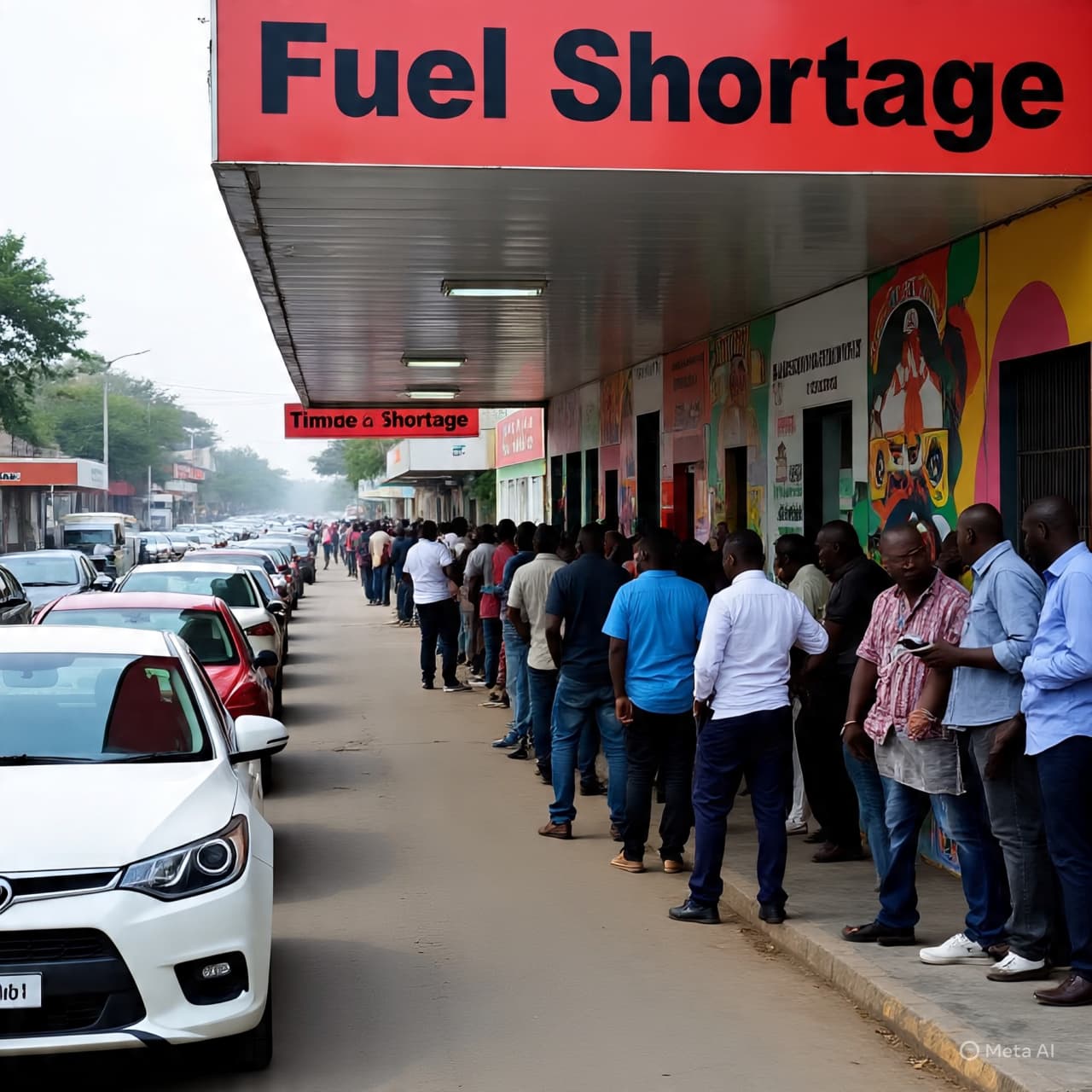
There are crises that arrive like a sudden storm, and others that gather slowly, almost imperceptibly, until the horizon darkens all at once. In , the strain on fuel supplies feels less like a single disruption and more like a convergence—a quiet tightening of threads that now pull in different directions. From distant waterways to domestic corridors of power, the story unfolds not in isolation, but in entanglement.
At the heart of this unfolding challenge lies a dependency shaped by geography. Landlocked and reliant on imported fuel, Ethiopia’s lifeline stretches outward toward global trade routes, including the strategic artery of the . This narrow passage, through which a significant share of the world’s oil supply flows, has in recent times been shadowed by geopolitical tensions. Any instability there does not remain contained; it travels outward, influencing prices, availability, and the fragile balance of supply chains far beyond its waters.
Yet the pressures facing Ethiopia cannot be traced to external forces alone. Within its own systems, longstanding inefficiencies and governance challenges have shaped how fuel is distributed and priced. Allegations of graft and mismanagement have, at times, complicated the picture, creating gaps between policy intention and lived reality. Subsidies, designed to cushion consumers, have also introduced distortions—encouraging demand while straining public finances. These internal dynamics, layered upon global uncertainty, deepen the complexity of the crisis.
The result is what some observers describe as a “perfect storm,” where multiple forces intersect. Fuel shortages ripple through the economy, affecting transportation, industry, and daily life. For businesses, unpredictability can slow operations and increase costs. For households, it can mean longer waits, higher expenses, and a growing sense of uncertainty. Each effect, while distinct, contributes to a broader atmosphere of strain.
In response, the government has begun to pursue reforms aimed at addressing structural weaknesses. Adjustments to pricing mechanisms, efforts to improve supply chain transparency, and initiatives to reduce inefficiencies reflect a recognition that resilience must be built from within. These measures, however, require time and careful implementation. Reform, by its nature, often moves more slowly than crisis.
There is also a broader question of adaptation. As Ethiopia navigates this period, the challenge extends beyond immediate relief toward long-term stability. Diversifying energy sources, strengthening infrastructure, and refining regulatory frameworks are part of a wider conversation about how to reduce vulnerability to external shocks. Such steps, while gradual, may help shift the balance over time.
The interplay between global events and domestic realities remains central to understanding the current moment. Tensions in distant regions, including those affecting routes like the , continue to influence the flow of resources. At the same time, internal reforms seek to ensure that what arrives is managed more effectively. It is within this intersection that the crisis both takes shape and finds its potential resolution.
For many, the situation underscores the delicate nature of interconnected systems. What begins as a geopolitical concern can evolve into a local challenge, touching lives in ways that are both immediate and profound. And what appears as a domestic issue may, in turn, reflect broader patterns of global dependency.
In the days ahead, Ethiopia’s approach will likely continue to balance urgency with deliberation. Efforts to stabilize fuel supplies and advance reforms are ongoing, with outcomes expected to unfold over time. While uncertainties remain, the direction suggests a continued focus on addressing both external pressures and internal constraints, as the country works toward a more stable and sustainable energy landscape.
AI Image Disclaimer Visuals are created with AI tools and are not real photographs.
Source Check (Credible Media Outlets): Reuters BBC News Al Jazeera Bloomberg Financial Times
Published by Banx Network. This article is part of the Banx decentralized media programme, powered by the BXE token on the XRP Ledger.


