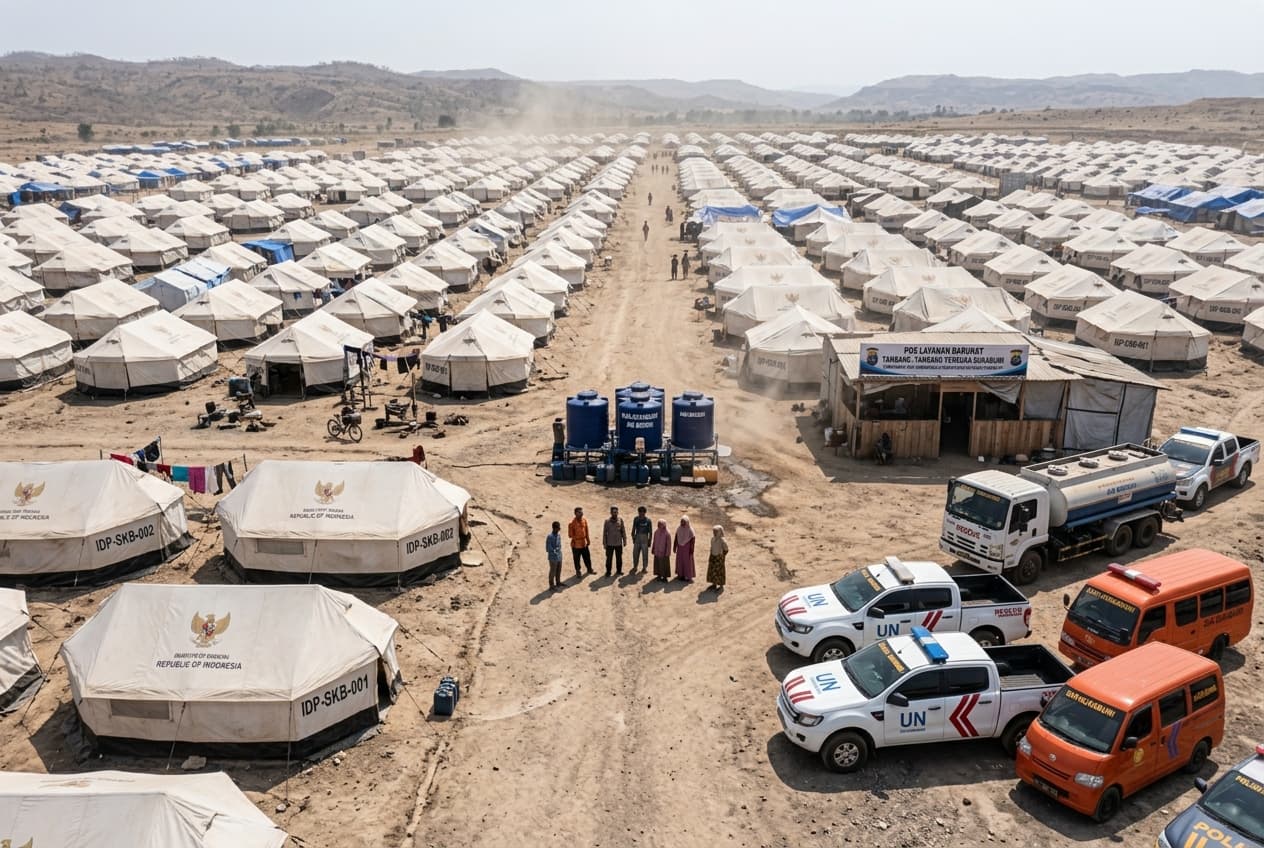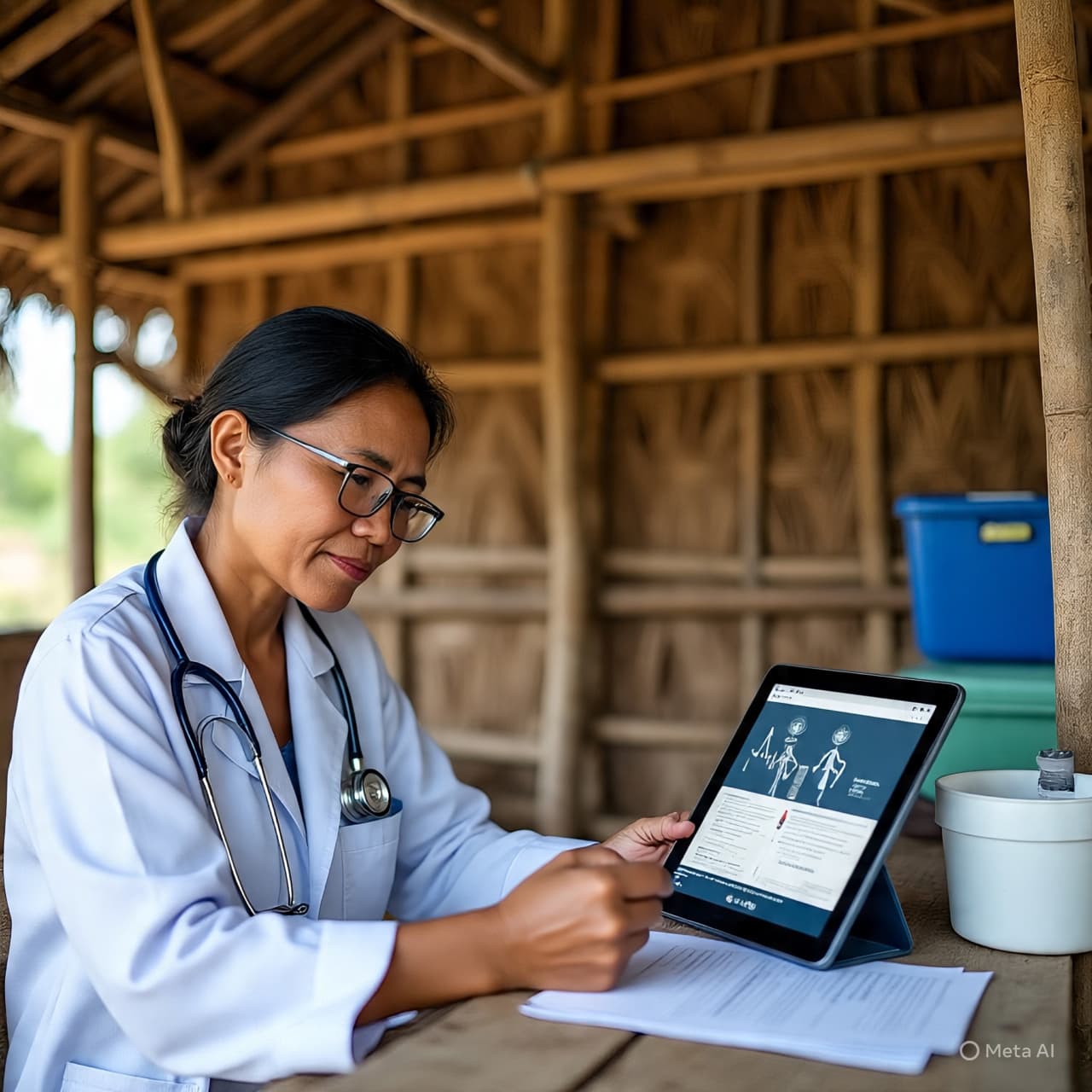
There are places where distance is not measured only in miles, but in moments—moments between need and care, between diagnosis and understanding. In Indonesia, an archipelago where geography itself shapes access to healthcare, the journey toward more equitable services has long been a complex one. Yet in recent years, a new path has begun to take form, carried not by roads or ships, but by data and digital connection.
Efforts to digitalize healthcare services are gaining momentum across the country, with artificial intelligence increasingly becoming part of that transformation. Supported by institutions such as the and guided in part by frameworks from the , these initiatives aim to improve both access and efficiency within the national healthcare system.
At the center of this shift is the idea that technology can help bridge longstanding gaps. In regions where medical facilities and specialists are limited, AI-powered tools are being explored to assist in diagnostics, patient monitoring, and health data management. Telemedicine platforms, enhanced by machine learning, are allowing patients to consult with healthcare providers without the need for long-distance travel—a change that carries particular significance in remote and rural communities.
Digital health records also play a key role in this evolving landscape. By integrating patient information into unified systems, healthcare providers can access data more quickly and accurately, supporting better decision-making. AI, in this context, can help analyze patterns, identify risks, and even suggest potential treatment pathways, complementing the expertise of medical professionals.
The approach, however, is not solely technological. It reflects a broader effort to modernize healthcare infrastructure while maintaining a focus on inclusivity. Programs aimed at expanding internet connectivity and digital literacy are closely tied to these initiatives, recognizing that access to technology is a prerequisite for its effective use.
Challenges remain part of the journey. Data privacy, system interoperability, and the readiness of healthcare institutions to adopt new technologies are all factors that continue to shape implementation. Ensuring that AI tools are reliable, ethical, and aligned with local needs requires careful oversight and ongoing evaluation.
There is also a human dimension that technology alone cannot replace. While AI can assist in analysis and efficiency, the relationship between patient and caregiver remains central to the experience of care. For this reason, many initiatives emphasize the role of AI as a support system—one that enhances, rather than replaces, human interaction.
Across Indonesia, this transformation is unfolding gradually. Pilot programs, collaborations with technology companies, and policy frameworks are all contributing to a system that is still in the process of becoming. The pace may vary from one region to another, but the direction appears increasingly clear.
In the end, Indonesia’s push toward AI-driven healthcare digitalization speaks to a broader vision—one where care is not limited by geography, and where innovation serves as a bridge rather than a barrier.
And perhaps, in that vision, the distance between need and healing becomes just a little shorter, carried quietly through the networks that connect them.
AI Image Disclaimer Visuals are created with AI tools and are not real photographs.
Sources : Reuters The Jakarta Post Kompas Ministry of Health Indonesia (Kemenkes RI) World Health Organization (WHO)
Published by Banx Network. This article is part of the Banx decentralized media programme, powered by the BXE token on the XRP Ledger.