There are places that have been known for years for one face, then slowly reveal another. Saudi Arabia is currently at one of those crossroads, as international travel begins to find more reasons to come beyond the long-known destinations.
According to a report by Tourism Economics presented at the WTM Spotlight Riyadh, international recreational travel to Saudi Arabia is expected to grow by 93 percent between 2025 and 2030 based on the number of overnight tourist arrivals. This figure is higher than the projected growth of 64 percent for the Middle East and 30 percent globally.
This projection comes after a period of strong growth. Between 2019 and 2025, international travel to Saudi Arabia increased by 67 percent, while growth in the Middle East was around 20 percent and globally about 5 percent. Saudi Arabia also accounted for about three-quarters of the growth in international travel in the region during that period.
Another change is seen in the composition of tourist spending. The share of spending by international visitors coming from recreational tourism increased from 9 percent in 2019 to 28 percent in 2025. Tourism Economics estimates that this share could reach 31 percent by 2030.
These figures illustrate a broader change in how Saudi Arabia is building its tourism sector. Nature, culture, adventure experiences, health, culinary, entertainment, and new destinations are starting to be placed within a more diverse travel itinerary.
By 2025, Saudi Arabia is expected to receive around 123 million domestic and inbound tourists. Of that number, approximately 29.3 million are inbound tourists with spending reaching SR176.6 billion. This data shows that tourism has developed into one of the important parts of the kingdom's economic activity.
The Chinese market is also one area of focus. Research by Dragon Trail International cited in the report shows that 52 percent of surveyed Chinese travel agents have sold Saudi destinations, while 32 percent see the kingdom as one of the destinations with great potential for Chinese tourists.
The growth in tourists then brings other needs: hotels, flights, domestic transportation, restaurants, entertainment centers, tour guides, and various supporting services. STR estimates that revenue per available room in Riyadh could increase by 18.6 percent by 2027, while Jeddah is expected to add more than 2,300 hotel rooms in the same year.
Ultimately, the 93 percent projection is not just a number about the number of people coming. It reflects a change in a country that is trying to build new relationships with tourists from around the world. From deserts and historical sites to beaches, hotels, culinary experiences, and modern adventures, Saudi Arabia is expanding the story that visitors want to take home.
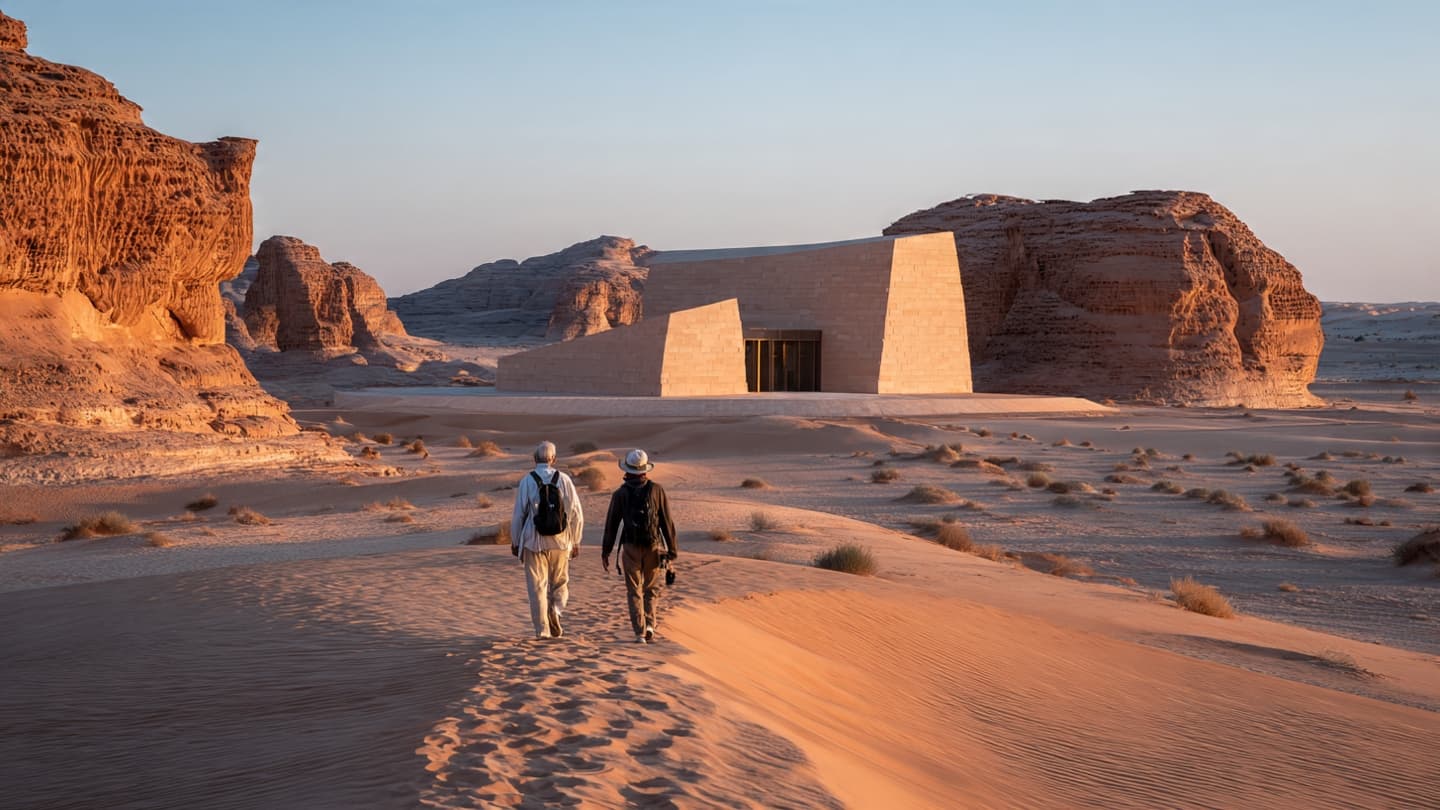
Image Disclaimer: The visuals are AI-based conceptual illustrations regarding the development of international recreational tourism in Saudi Arabia and are not photographs of specific tourists or destinations.
Sources:
Arab News Tourism Economics Oxford Economics Saudi Ministry of Tourism World Travel Market
Published by Banx Network. This article is part of the Banx decentralized media programme, powered by the BXE token on the XRP Ledger.