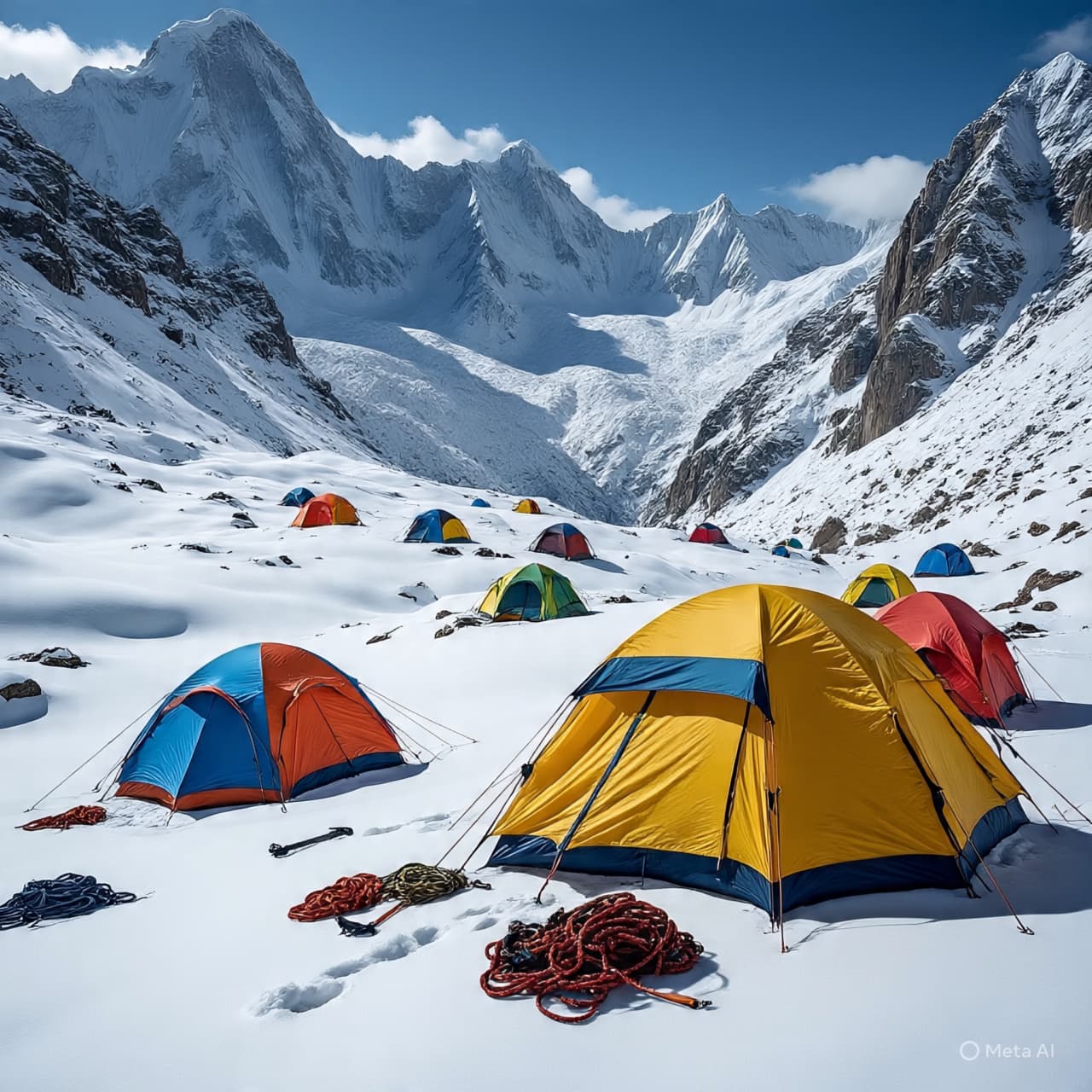
There is a quiet tension between human ambition and nature’s resilience that most of us rarely see. On Mount Everest — the world’s tallest peak, where snow meets sky — that tension is visible not just in the crags and ridges but in the scattered remnants of countless past expeditions. For years, Nepal sought to manage those reminders of human presence through a refundable waste deposit scheme, a novel idea meant to encourage climbers to carry their trash back down. Yet, after more than a decade, officials now acknowledge that the plan has not delivered the tangible results once hoped for, and they are preparing to set it aside in favor of a new strategy.
Introduced 11 years ago, the deposit scheme required climbers to pay about $4,000, refundable only if they brought at least 8 kg (18 lbs) of waste down with them at the end of their expedition. The logic was simple: align financial incentives with environmental responsibility. But today, the scheme has become a symbol of unintended complexity rather than clear success. Authorities in Nepal’s tourism ministry have said the garbage problem has not diminished and that the system has grown into an administrative burden without significantly reducing waste at the higher reaches of the mountain, where the problem is most acute.
Officials and local advocates note a key flaw: most of the waste that climbers bring down with them tends to come from lower camps, where monitoring is easier. The higher elevations — above the Khumbu Icefall and beyond — still see large amounts of discarded tents, food packaging, and other gear left behind, despite the rule. Tshering Sherpa of the Sagarmatha Pollution Control Committee explained that oxygen bottles are often the only thing reliably returned from those lofty heights, a sign that the policy was not addressing the heart of the problem.
On average, climbers generate about 12 kg (26 lbs) of waste during an expedition that can last up to six weeks. With thousands attempting the summit each year, the total volume of rubbish — including non-biodegradable plastics and even human waste — has continued to burden the fragile high-altitude ecosystem. Estimates suggest that tens of tonnes still accumulate across camps and ridges.
In response, Nepalese authorities are planning a shift in approach. Rather than refunding a deposit, a non-refundable clean-up fee — likely to remain around $4,000 per climber — will be introduced, contingent upon parliamentary approval. The revenue from this fee is intended to fund new checkpoints at higher camps and deploy mountain rangers, who will more actively monitor waste removal and ensure climbers comply with regulations across the mountain’s vertical expanse.
Local leaders, especially from the Sherpa community, have welcomed the change as overdue. They argued for years that the refundable scheme lacked enforcement and did not create a dedicated fund for sustained clean-up efforts. By redirecting funds into a structured action plan, Nepal hopes to create a more effective, long-term response that matches the scale of the challenge.
This transition comes alongside Nepal’s broader five-year mountain clean-up action plan, which seeks not only to strengthen waste management on Everest but also to reimagine how climbing tourism can coexist with environmental stewardship. For a peak that has long been both a symbol of human triumph and, increasingly, ecological strain, the end of one policy and the beginning of another marks a moment of reflection — and perhaps, renewed hope.
AI Image Disclaimer “Visuals are created with AI tools and are not real photographs.”
Sources BBC, Daily Mirror, UNB/BBC summary, Moneycontrol, ASEANNOW.
Published by Banx Network. This article is part of the Banx decentralized media programme, powered by the BXE token on the XRP Ledger.