
Aging is measured in years, but modern biomedical research increasingly looks for other ways to understand what happens inside the body as those years pass. Among those approaches are biomarkers that attempt to provide measurable information about biological processes associated with aging.
A new international partnership is bringing one such technology closer to the Japanese market. UK-based, Croatian-founded biotechnology company GlycanAge has entered a strategic partnership with Japan’s ExoEarth, according to SeeNews and company announcements released in September.
The partnership is intended to expand access to GlycanAge’s biological-age testing in Japan while also creating opportunities for collaborative research related to longevity. ExoEarth said the cooperation is based on a memorandum of understanding between the two companies.
GlycanAge focuses on glycan biomarkers. Its platform analyzes glycosylation patterns attached to immunoglobulin G, or IgG, in blood. The company describes the measurement as an indicator related to immune aging and chronic inflammation rather than as a diagnostic test for a specific disease.
That distinction is important. A biological-age measurement is not the same thing as a conventional medical diagnosis. Instead, it is intended to provide another type of information that can be studied alongside other health measurements and lifestyle data.
ExoEarth’s interest extends beyond testing alone. The Japanese company said it plans to connect GlycanAge measurements with extracellular-vesicle research, continuing health and lifestyle data, artificial intelligence and other technologies as part of its broader longevity platform.
The partnership therefore brings together several areas of biotechnology. Glycan research focuses on molecular patterns, while extracellular-vesicle research examines biological particles involved in communication between cells. Artificial intelligence can provide another layer for organizing and analyzing large quantities of biological information.
Japan provides a significant potential market for such technologies because the country has long been associated with research and commercial activity surrounding healthy aging and longevity. ExoEarth has positioned the partnership within its broader effort to develop what it calls a personalized longevity platform.
GlycanAge also has an international research background. The company says its scientific foundation includes more than three decades of glycan research and collaborations involving universities and research institutions. Its platform has been studied in connection with biological aging, immune regulation and chronic inflammation.
The partnership does not by itself establish new medical benefits or guarantee particular health outcomes. Instead, it creates a framework for expanding testing access and conducting further research in Japan.
From Croatia’s entrepreneurial roots to biotechnology operations in the United Kingdom and research ambitions in Japan, the agreement reflects the increasingly international character of longevity science. The next stage will depend on research, validation and how these biological measurements can be integrated responsibly with other forms of health data.
Image Disclaimer:
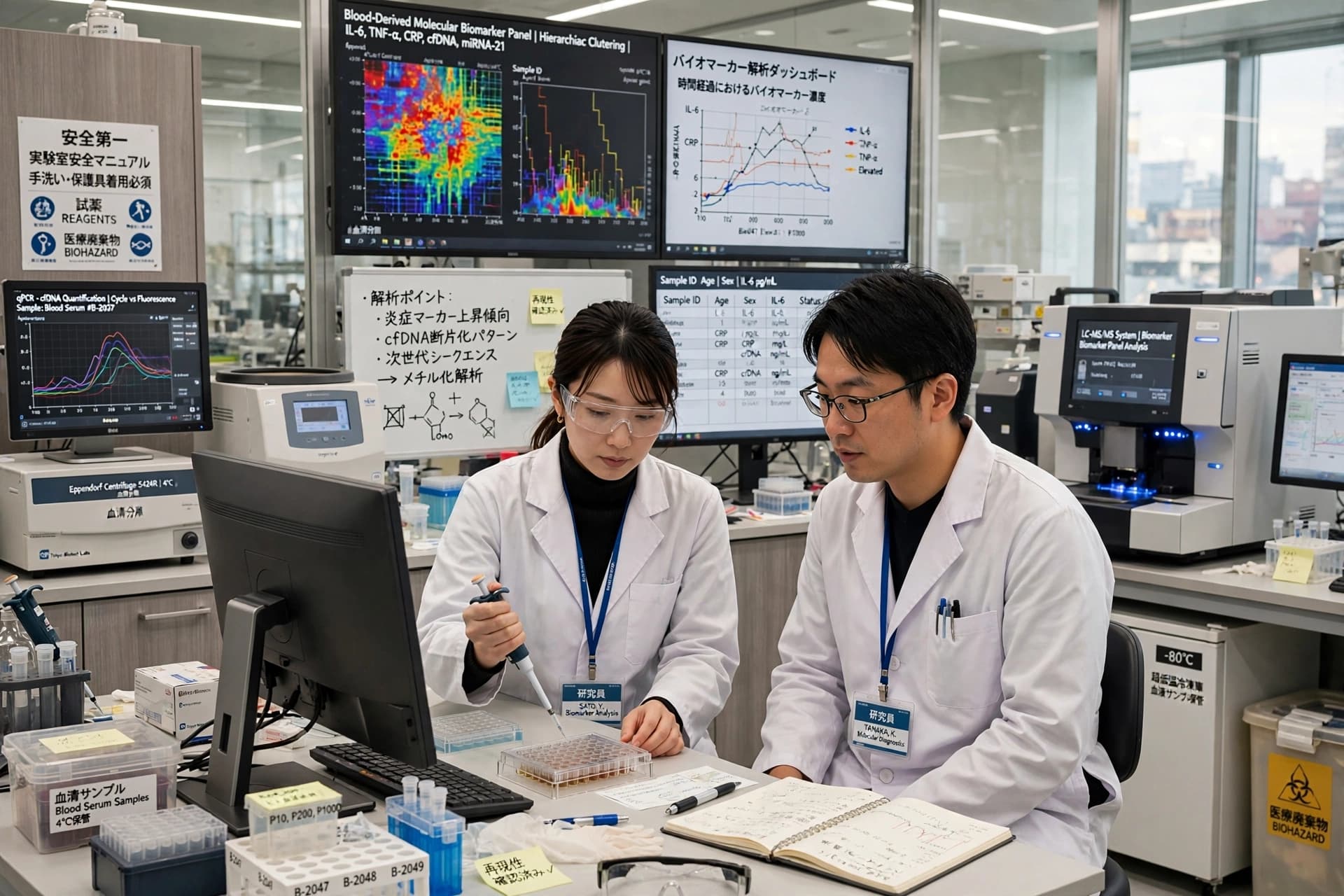
Visuals are AI-generated conceptual representations of biotechnology research and the GlycanAge–ExoEarth partnership; they are not photographs of actual research procedures.
Sources:
SeeNews GlycanAge ExoEarth PR Times Genos
Published by Banx Network. This article is part of the Banx decentralized media programme, powered by the BXE token on the XRP Ledger.



.jpg&w=3840&q=75 "Two Technicians Suffocated, Factory Chemical Leak: Gabes Infrastructure Under Severe Scrutiny")