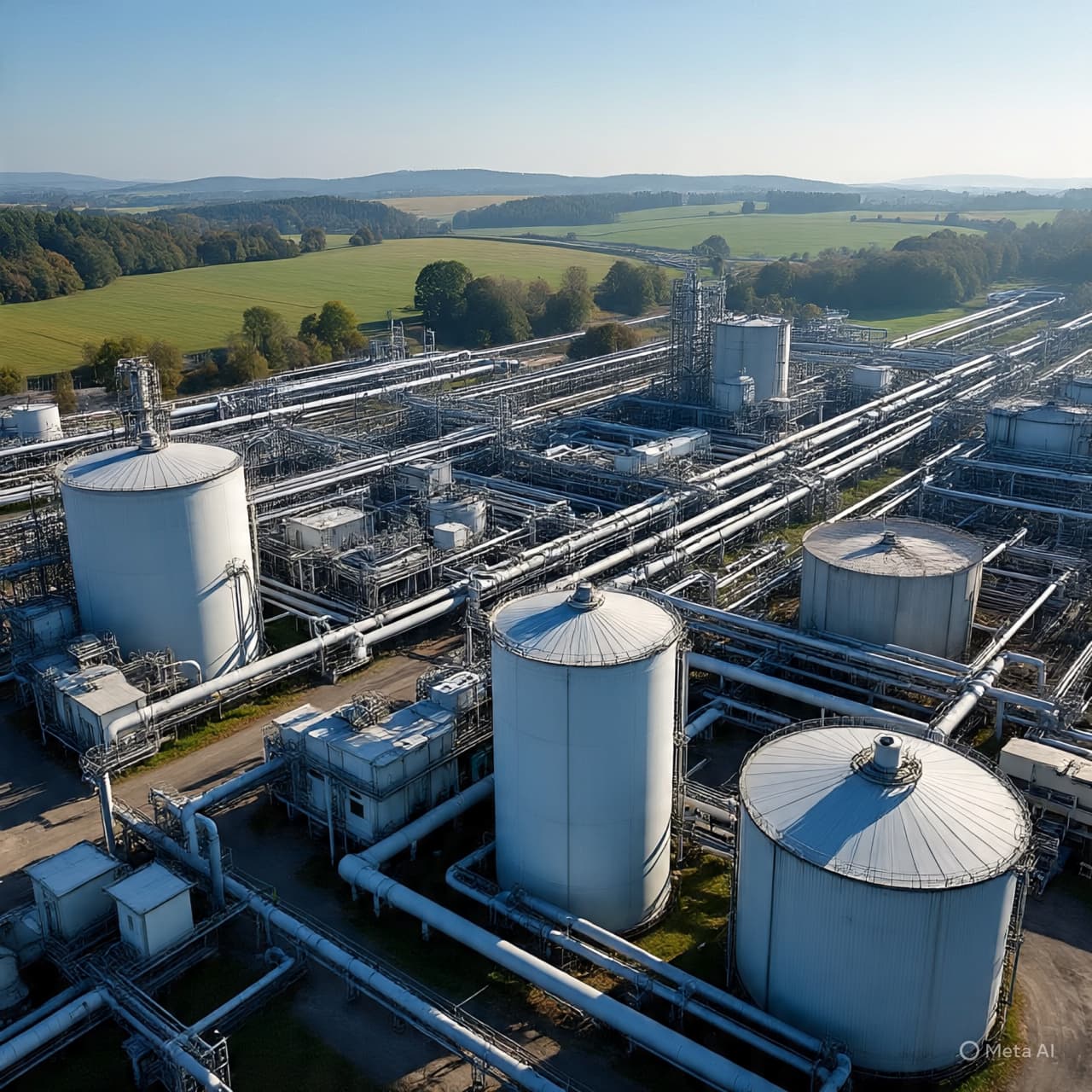
European chemicals has never lacked complexity. Built on decades of integration, trade, and technical depth, the sector now finds itself navigating a narrower channel, with cost pressure on one side and strategic uncertainty on the other. Strengthening the investment case is less about reinvention than recalibration.
The first lever is energy realism. Competitive access to energy, whether through reform, long-term contracts, or alternative supply, remains central. Without predictability, capital hesitates, and investment timelines stretch beyond usefulness.
Second comes scale through collaboration. Europe’s fragmented production base has often favored specialization, but today it limits resilience. Shared infrastructure, joint ventures, and platform assets can restore efficiencies without sacrificing expertise.
Third is regulatory clarity. Investors do not expect leniency, but they do require consistency. Clear sequencing of environmental rules, paired with credible transition pathways, allows capital to price risk rather than avoid it altogether.
Fourth is downstream integration. Chemical assets tied closely to end markets, whether automotive, construction, or consumer goods, offer visibility that standalone production struggles to provide. Demand linkage has become a stabilizer.
The fifth lever lies in circularity with discipline. Recycling, bio-based inputs, and reuse models hold promise, but only where economics are proven. Projects that pair sustainability with margin, rather than aspiration alone, attract patient capital.
Sixth is modernization over expansion. Brownfield upgrades, efficiency gains, and digital optimization increasingly outweigh greenfield ambition. Investors favor assets that adapt rather than multiply exposure.
Finally, capital structure matters. Long-term funding aligned with industrial timelines, including public-private instruments, can bridge gaps that conventional finance will not. Stability, more than speed, defines credibility.
Taken together, these shifts do not guarantee renewed enthusiasm, but they do restore coherence. The investment case for European chemicals strengthens not through scale alone, but through alignment between cost, policy, and purpose.
Published by Banx Network. This article is part of the Banx decentralized media programme, powered by the BXE token on the XRP Ledger.