

In the quiet cadence of late December, when year‑end reflections often mingle with strategic recalibrations, a significant shift unfolded in the intricate world of electric mobility. LG Energy Solution, South Korea’s leading battery manufacturer, announced that it has canceled a 3.9 trillion won battery supply agreement with Freudenberg Battery Power Systems, a U.S. partner whose aspirations in the EV supply chain had once seemed full of promise. The news arrived not with dramatic fanfare, but with a tone of mutual acknowledgement — a reminder that even in the realm of future technologies, change often arrives gently, carried on the steady breath of evolving markets and priorities.
Originally signed in April 2024, the contract was expected to tie LG’s advanced battery modules to Freudenberg’s assembly operations in North America. Yet Freudenberg’s decision to exit the battery business entirely reshaped this expectation into an inflection point — one that both companies chose to resolve through mutual consent rather than conflict. In regulatory filings, LG Energy Solution underscored that the termination was not the result of unilateral disagreement but of shifting business landscapes that left both parties with little choice but to part ways.
This development comes amid a broader backdrop of adjustments throughout the electric vehicle supply chain. Just days earlier, LG announced another major contract cancellation — a 9.6 trillion won supply deal with Ford Motor Co. — reflecting how decisions by OEMs and battery partners are being reshaped by global demand trends and changing policy climates. Combined, the recent terminations have trimmed roughly 13.5 trillion won from LG’s anticipated future order backlog — a sum that speaks to both the scale of opportunity and the uncertainty faced in an evolving EV market.
Despite the headline figures, LG has aimed to flatten the emotional curves of the news with a measured reassurance: the financial impact is expected to be limited. Company spokespeople noted that LG did not yet invest in specialized facilities or unique research and development tied specifically to the Freudenberg deal, meaning there are no heavy sunk costs hanging over the company’s books. What remains, they said, are the relationships, capabilities, and production networks that continue to form the backbone of LG’s global battery business.
In its public statements, LG framed the episode not as a loss but as a moment for strategic refinement. The company is seizing the opportunity to streamline partnerships, focusing on customers with clearer demand signals and longer‑term stability. Such clarity, in a field as dynamic as battery manufacturing, can be as valuable as any supply agreement itself — a subtle testament to the fluid dance between expectation and reality in the business of electrification.
For Freudenberg, exiting the battery sector marks its own strategic shift, one influenced by the practical realities of demand for EV products, particularly large commercial vehicles, in North America and beyond. The company’s withdrawal reflects a broader sentiment among some industry players: that ambitions must sometimes yield to market forces.
As the year winds down, LG Energy Solution’s experience stands as a gentle reminder that transitions in emerging industries are rarely linear. Agreements are not eternal monuments but living arrangements, shaped by changing demand, policy, and global strategy. In this story of contracts rewritten, the future of electrified transport continues to unfurl — not in abrupt ruptures, but in patient negotiations and quiet recalibrations that echo through manufacturing lines and boardrooms alike.
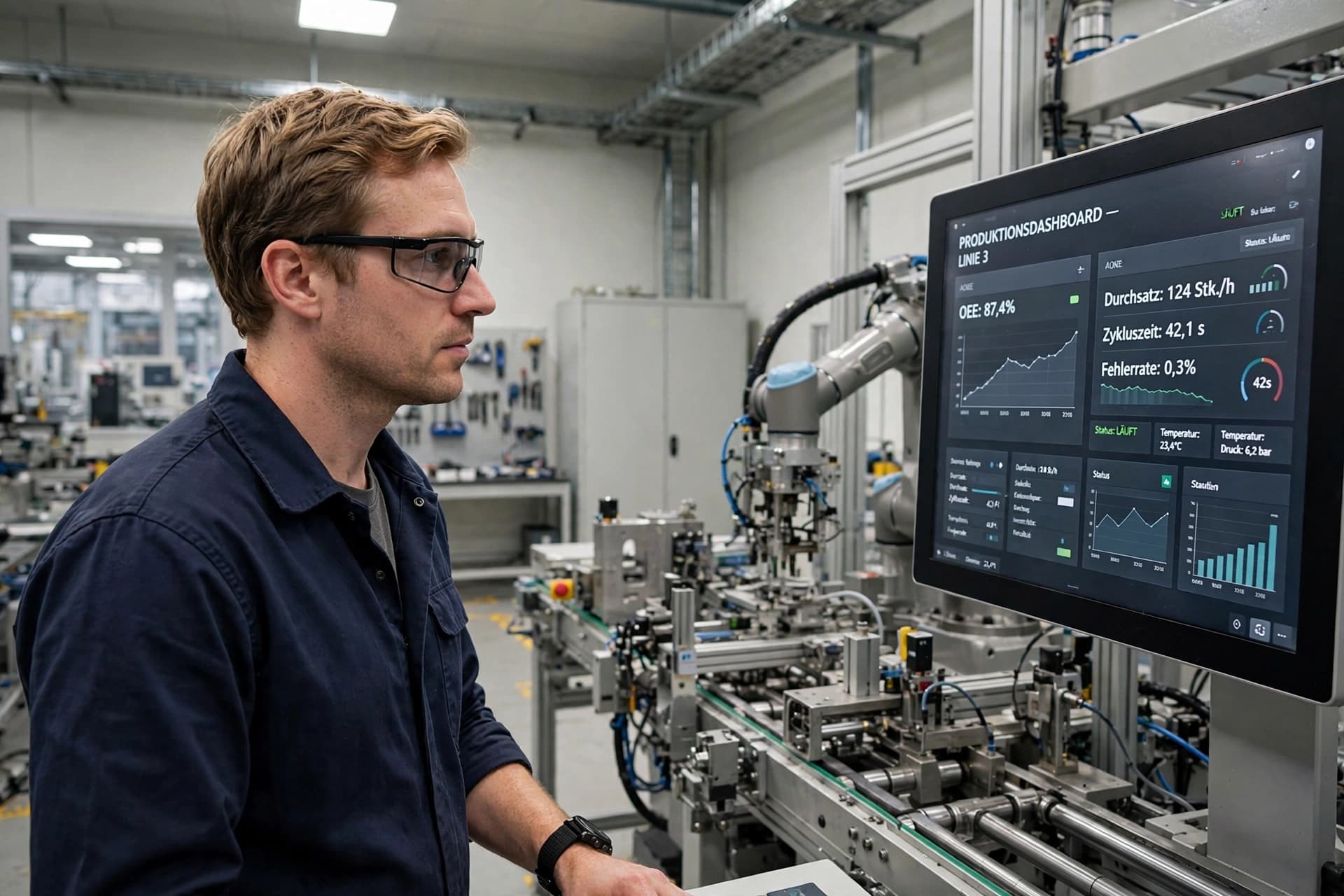
AI Image Disclaimer “Images in this article are AI‑generated and intended for representation, not reality.”
Sources Used Reuters The Korea Times Economic Times (via Reuters) ETNews Domain‑b.com
Published by Banx Network. This article is part of the Banx decentralized media programme, powered by the BXE token on the XRP Ledger.


.jpg&w=3840&q=75 "The Artemis Revolution: How NASA Plans to Build Humanity's Future on the Moon")