There are experiments that begin far from the place where they are ultimately realized—conceived in classrooms, laboratories, or quiet workshops, then carried upward into an environment where familiar conditions fall away. In orbit, where gravity loosens its hold, even the simplest processes take on a different character, revealing aspects that remain hidden on Earth.
From New Zealand, a recent experiment has completed its course aboard the International Space Station, marking a moment of measured success for a project shaped by distance and collaboration. The work, developed with a focus on how materials or biological systems behave in microgravity, reflects the broader effort to understand how life and matter respond when removed from the constant pull of the planet below.
In such an environment, processes that are ordinarily influenced by gravity—fluid movement, particle settling, cellular growth—shift into new patterns. Liquids form spheres, convection changes, and the boundaries between phases can become more pronounced or more subtle, depending on the conditions. For researchers, these differences are not obstacles, but opportunities to observe underlying mechanisms with greater clarity.
The Kiwi-led experiment contributes to this field, situated within space science and microgravity research, where the aim is to extend knowledge beyond Earth-bound limits. While the specific focus of the study may vary—ranging from materials science to biological response—the outcome adds to a growing body of work that informs future technologies, from manufacturing processes to medical understanding.
There is also a sense of scale in this achievement. New Zealand, distant from many of the traditional centers of space exploration, participates through partnership and innovation, contributing to a shared scientific effort that spans continents. The experiment’s success is not isolated; it is part of a network of collaboration that brings diverse perspectives into a single orbiting laboratory.
Within the station, the experiment unfolds quietly. Instruments record, samples respond, and data accumulates in a steady flow. Outside, Earth turns below, its surface passing in cycles of light and shadow. The separation between the two—planet and laboratory—creates a space where observation becomes more precise, less influenced by the familiar.
There is a certain restraint in how such success is measured. It is not marked by spectacle, but by confirmation: that the experiment functioned as intended, that data was collected, that results can now be examined. From these outcomes, further questions will emerge, guiding the next steps in research.
Officials report that a New Zealand-led experiment conducted aboard the International Space Station has been successfully completed. The results are expected to contribute to ongoing studies in microgravity, with potential applications in science and technology development. Further analysis of the collected data is underway.
AI Image Disclaimer
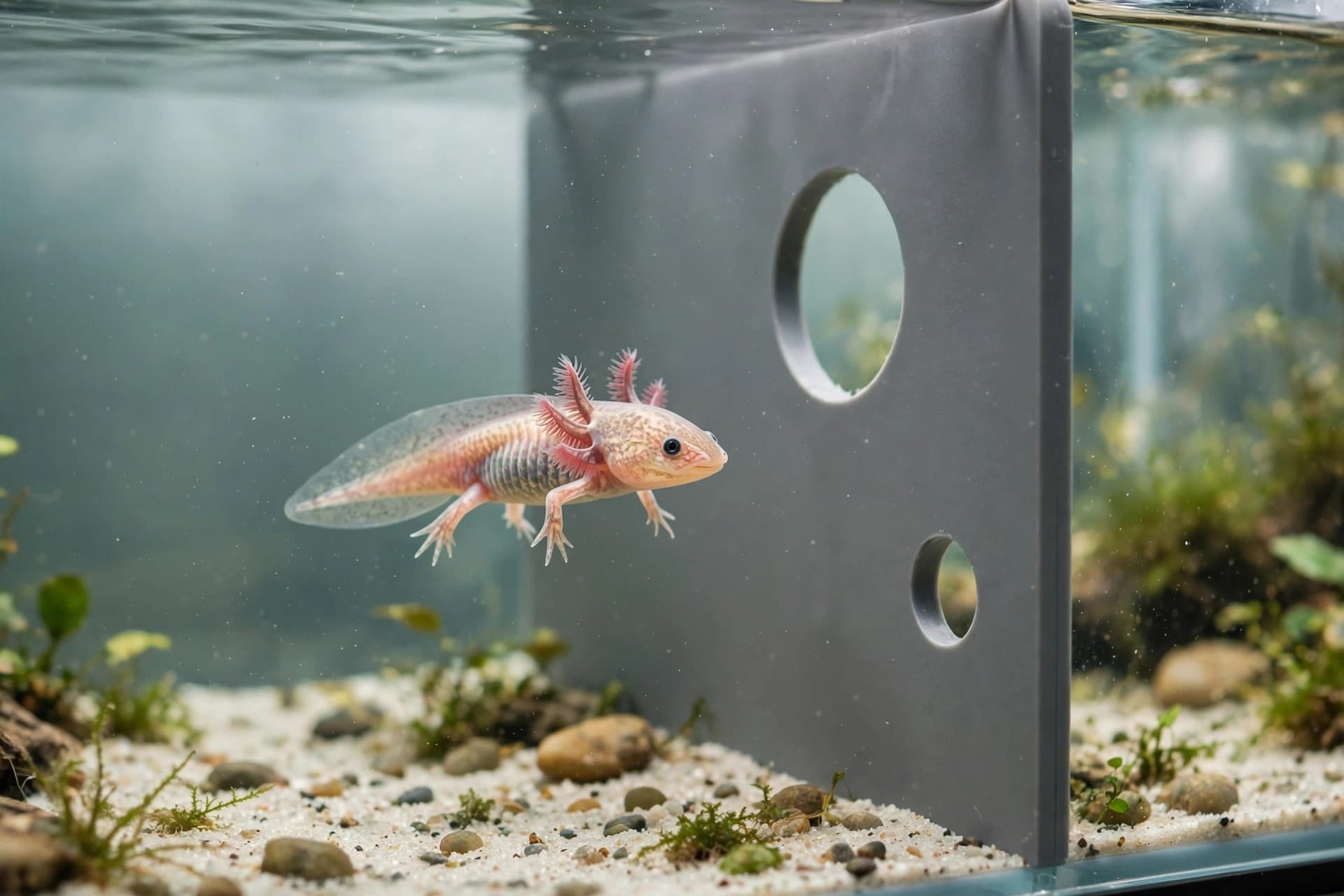
Illustrations were created using AI tools and are not real photographs.
Sources
Space.com NASA Reuters RNZ The Guardian
Published by Banx Network. This article is part of the Banx decentralized media programme, powered by the BXE token on the XRP Ledger.