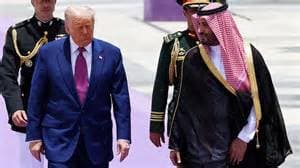
Neighbors share more than just a border; they share histories, economies, and destinies. Yet, the relationship between the United States and Mexico has long been a tapestry woven with threads of cooperation and friction. Currently, those threads are fraying, as experts warn that already strained ties are poised to deteriorate further. This prediction is not born of speculation but of observable trends in trade, migration, and security policy. It invites a reflective look at how two nations, so deeply intertwined, navigate the complexities of sovereignty and mutual interest in an increasingly polarized world.
Body: The strain is evident in recent diplomatic exchanges, where rhetoric has hardened on both sides of the Rio Grande. Issues such as border security, drug trafficking, and labor standards have become flashpoints, often exacerbated by domestic political pressures. For the United States, immigration remains a contentious topic, with policies fluctuating between enforcement and humanitarian aid. For Mexico, the challenge lies in balancing economic integration with national dignity and internal stability.
Trade, the backbone of the bilateral relationship, faces uncertainty. While the USMCA agreement provides a framework for commerce, disputes over energy policies, agricultural standards, and manufacturing rules persist. These economic tensions are not merely technical; they affect livelihoods on both sides, from farmers in Michoacán to factory workers in Michigan. The interdependence of the two economies means that discord in one area ripples through the other, creating vulnerabilities for businesses and consumers alike.
Migration continues to be a central point of contention. The flow of people northward is driven by complex factors, including violence, poverty, and climate change in Central America and Mexico. US demands for stricter border controls often clash with Mexico’s capacity and willingness to manage these flows. The human cost of this policy tug-of-war is profound, affecting families and communities who find themselves caught in the middle of geopolitical maneuvering.
Security cooperation, particularly in combating cartels and drug trafficking, is another area of friction. While both nations share the goal of reducing violence, disagreements over strategy and accountability often hinder effective collaboration. Accusations of insufficient effort or overreach can erode trust, making joint operations more difficult. The result is a security landscape that remains volatile, with consequences for citizens on both sides of the border.
Experts suggest that the worsening relations may be driven by broader global shifts. As the US focuses on competition with China and other powers, attention to its southern neighbor may wane or become more transactional. Similarly, Mexico’s own political evolution under new leadership may prioritize different alliances and policies. These diverging priorities create a gap that is difficult to bridge without sustained diplomatic effort.
However, the depth of the relationship also offers resilience. Cultural ties, family connections, and shared environmental challenges provide a foundation for dialogue. Civil society organizations, business leaders, and local governments often continue to collaborate despite national-level tensions. These grassroots efforts serve as a buffer, maintaining channels of communication and cooperation when official diplomacy stalls.
The path forward requires a recognition of mutual dependence. Both nations benefit from stability and prosperity in the region. Addressing the root causes of migration, enhancing fair trade practices, and improving security coordination are essential steps. It requires political will and a willingness to look beyond short-term gains to long-term partnership.
Closing: In the end, the warning of worsening relations is a call to action for leaders in both Washington and Mexico City. It reminds us that neighborliness is not just a geographic fact but a political choice. By prioritizing dialogue and cooperation, the two nations can navigate current challenges and build a future defined not by strain but by strength and shared success.
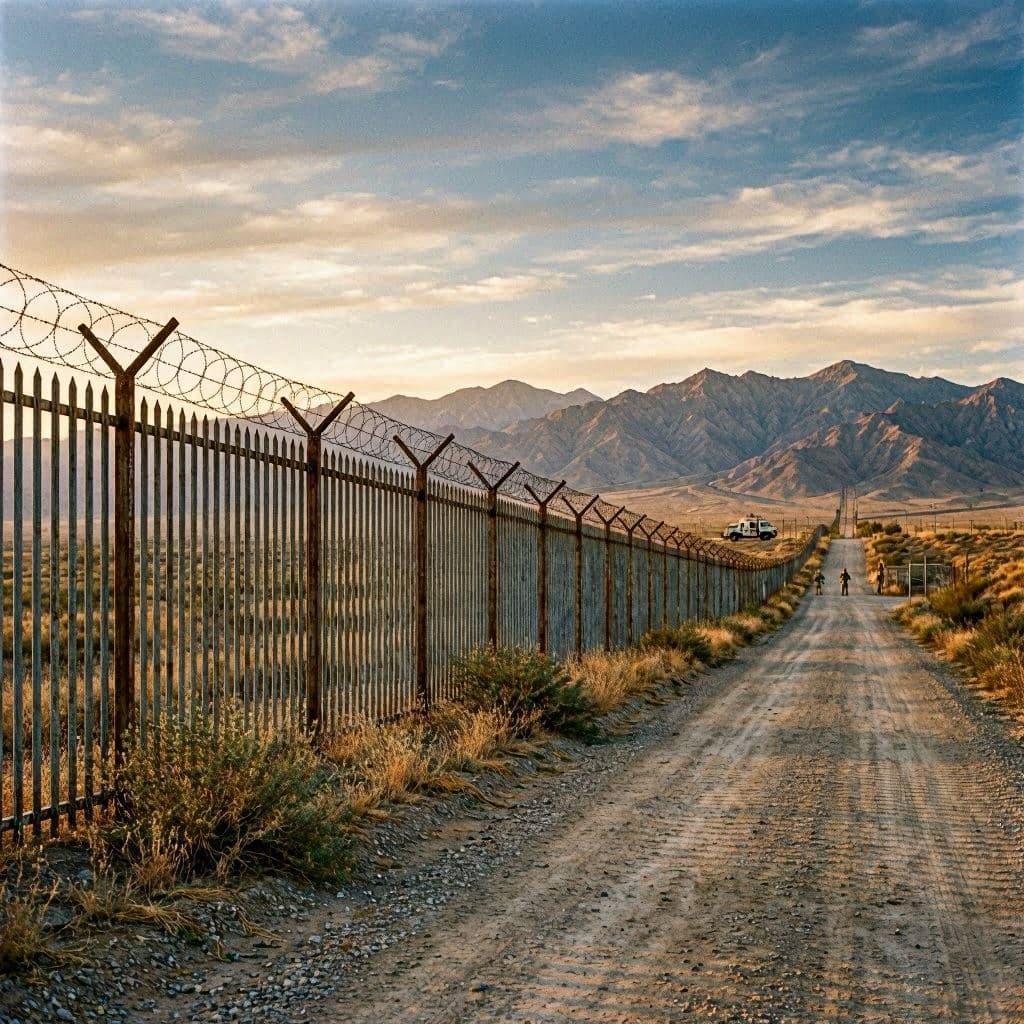
AI Image Disclaimer: Please note that any accompanying visuals for this narrative are artificially generated interpretations meant to evoke the spirit of the story, not documentary evidence.
Sources: Council on Foreign Relations Reuters The New York Times
Published by Banx Network. This article is part of the Banx decentralized media programme, powered by the BXE token on the XRP Ledger.