In the intricate web of global energy markets, where stability is often taken for granted until it is disrupted, a significant tremor has been felt. The temporary shutdown of a key Saudi Arabian oil pipeline has raised alarms among traders and policymakers, with estimates suggesting that up to four percent of the world’s daily oil supply could be at risk if the outage persists. This event serves as a stark reminder of the fragility of international supply chains and the geopolitical sensitivities that underpin the modern economy.
The pipeline in question, a critical artery for transporting crude from eastern fields to export terminals on the Red Sea, was halted following security concerns and reported attacks in the region. While Saudi authorities have emphasized their ability to maintain exports through alternative routes and existing stockpiles, the interruption has sparked anxiety about potential shortages. For a market already balancing on the edge of demand fluctuations, even a brief disruption can lead to volatile price swings.
Industry experts note that the Kingdom holds sufficient reserves in its ports to sustain exports for several days, providing a buffer against immediate shock. However, the psychological impact on the market is profound. Traders are closely watching the timeline for repairs, knowing that prolonged downtime could tighten global supplies and drive up costs for consumers worldwide. The uncertainty itself becomes a commodity, traded in futures markets with rapid intensity.
This incident highlights the strategic importance of energy infrastructure in an era of regional instability. As tensions escalate in the Middle East, the security of oil facilities becomes a paramount concern for both producers and consumers. The potential for such outages to ripple through the global economy underscores the need for diversified energy sources and robust contingency planning. It is a lesson in interdependence, where local events have global consequences.
For nations dependent on imported oil, the threat of supply constraints is a pressing economic challenge. Higher fuel prices can inflate transportation costs, affect manufacturing, and ultimately burden households. Governments are likely to monitor the situation closely, ready to release strategic reserves if necessary to stabilize domestic markets. The response will depend on the duration of the outage and the severity of the supply gap.
Beyond the immediate economic implications, the outage raises questions about the resilience of energy systems. Investment in security, redundancy, and alternative transport methods is crucial for mitigating future risks. The industry must balance efficiency with safety, ensuring that critical infrastructure can withstand both physical threats and operational challenges. It is a complex equation that requires constant vigilance.
As the situation unfolds, the focus remains on restoring full capacity and reassuring the market. Saudi Arabia’s commitment to maintaining its role as a reliable supplier is being tested, but its resources and logistical capabilities offer hope for a swift resolution. In the meantime, the world watches and waits, aware that the flow of energy is as vital as the flow of information in our connected age.
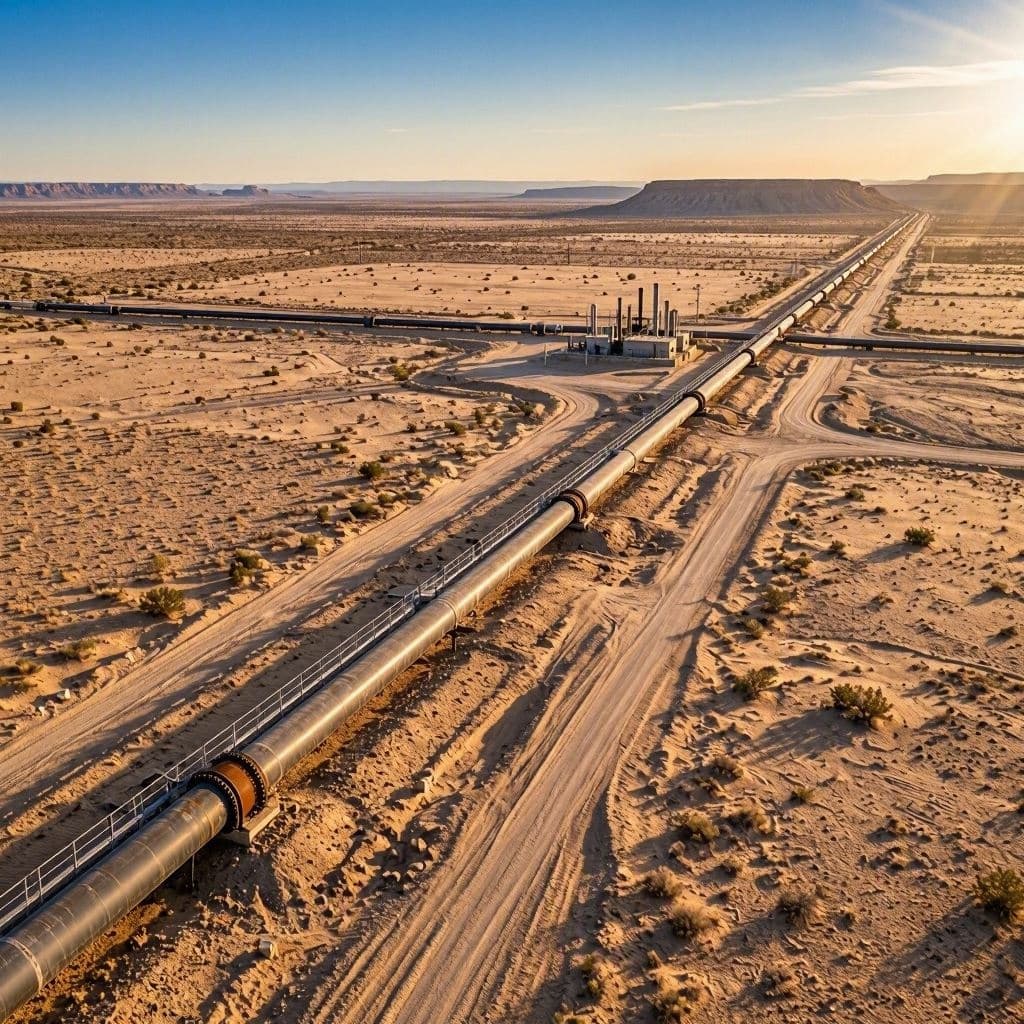
AI Image Disclaimer: The visual representations in this article are AI-generated illustrations designed to convey the themes of global energy infrastructure and market dynamics.
Sources: Reuters, Euronext, Hindustan Times
Published by Banx Network. This article is part of the Banx decentralized media programme, powered by the BXE token on the XRP Ledger.