Wars are often described as storms — sudden, violent, and overwhelming. Yet some storms do not pass. They settle into seasons, reshaping landscapes not with one decisive blow, but through relentless endurance. Four years after Russia’s full-scale invasion of Ukraine, the conflict no longer shocks the world with surprise. Instead, it weighs on it — steady, grinding, and unresolved.
When Russian forces crossed Ukraine’s borders in February 2022, many expected a swift and decisive campaign. Today, the front lines remain fluid but hardened, stretching across eastern and southern Ukraine. According to reporting from and , the war has evolved into a costly contest of attrition. Russia maintains control of roughly one-fifth of Ukrainian territory, yet further advances have come slowly and at high cost.
For Ukraine, the pressure is visible in nearly every measure. Civilian infrastructure has endured repeated strikes. Energy facilities, housing, transport corridors, and industrial sites have been damaged or destroyed. International institutions estimate reconstruction needs have climbed into the hundreds of billions of dollars, underscoring the scale of devastation. Millions of Ukrainians remain displaced internally or abroad, their futures suspended between resilience and uncertainty.
President continues to press allies for sustained military and financial support, arguing that Ukraine’s defense is inseparable from Europe’s broader security. Yet support, while significant, is not immune to political fatigue. As debates continue in Western capitals over funding levels and strategic priorities, Kyiv faces the dual burden of sustaining morale at home while preserving unity abroad.
Russia, too, confronts mounting strain. The Kremlin’s initial objectives have narrowed over time, and the human toll has been considerable. Casualty estimates vary, but independent analyses suggest losses in the hundreds of thousands — killed or wounded — on both sides combined. Moscow has adapted its economy toward a wartime footing, redirecting industrial output toward defense production. Sanctions imposed by the , the , and other partners have constrained access to technology and financial markets, even as Russia seeks alternative trade channels.
In territories under Russian control, humanitarian challenges persist. Reports from assessments and field correspondents describe shortages in water, heating, housing, and medical care. Meanwhile, Ukraine’s economy, though stabilized with foreign assistance, operates under the constant shadow of missile alerts and mobilization demands.
The war’s fourth year reveals a paradox: both nations are under more pressure than ever, yet neither appears prepared to concede. Ukraine fights for sovereignty and survival. Russia frames the conflict as strategic necessity and geopolitical resistance. Each side absorbs losses while recalibrating expectations.
Globally, the conflict continues to influence energy markets, food supplies, defense spending, and diplomatic alignments. What began as a regional invasion has reshaped international calculations far beyond Eastern Europe.
As the war moves beyond its fourth year, clarity remains elusive. There is no decisive breakthrough, no imminent peace accord, no clear end in sight. Instead, there is endurance — costly, uncertain, and deeply human. The pressure on both Ukraine and Russia reflects not only battlefield realities but the broader strain of a conflict that has become woven into the fabric of global affairs.
History often remembers wars by their turning points. For now, this one is remembered by its persistence.
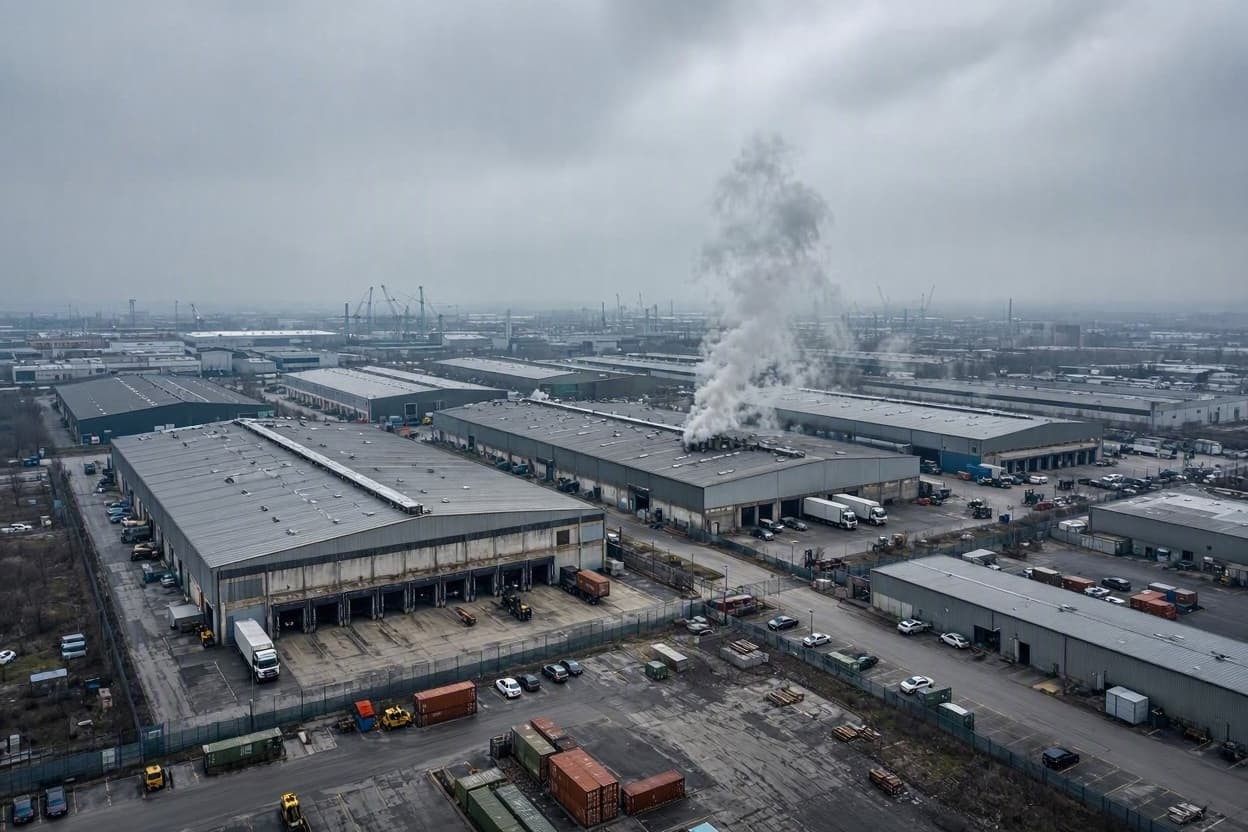
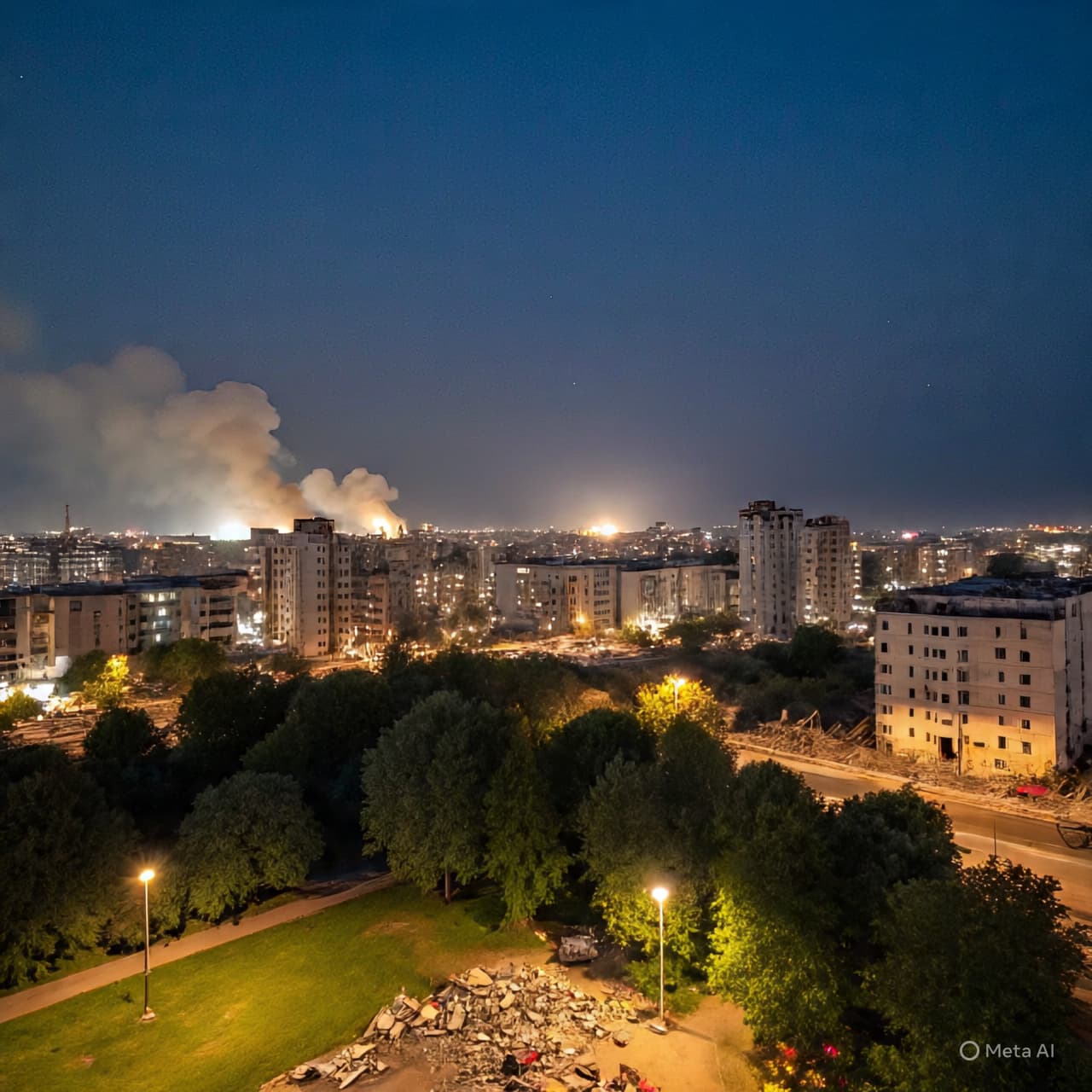
AI Image Disclaimer Illustrations were produced with AI and serve as conceptual depictions.
Sources (Mainstream Media) Reuters Associated Press BBC News The Financial Times The Wall Street Journal
Published by Banx Network. This article is part of the Banx decentralized media programme, powered by the BXE token on the XRP Ledger.