
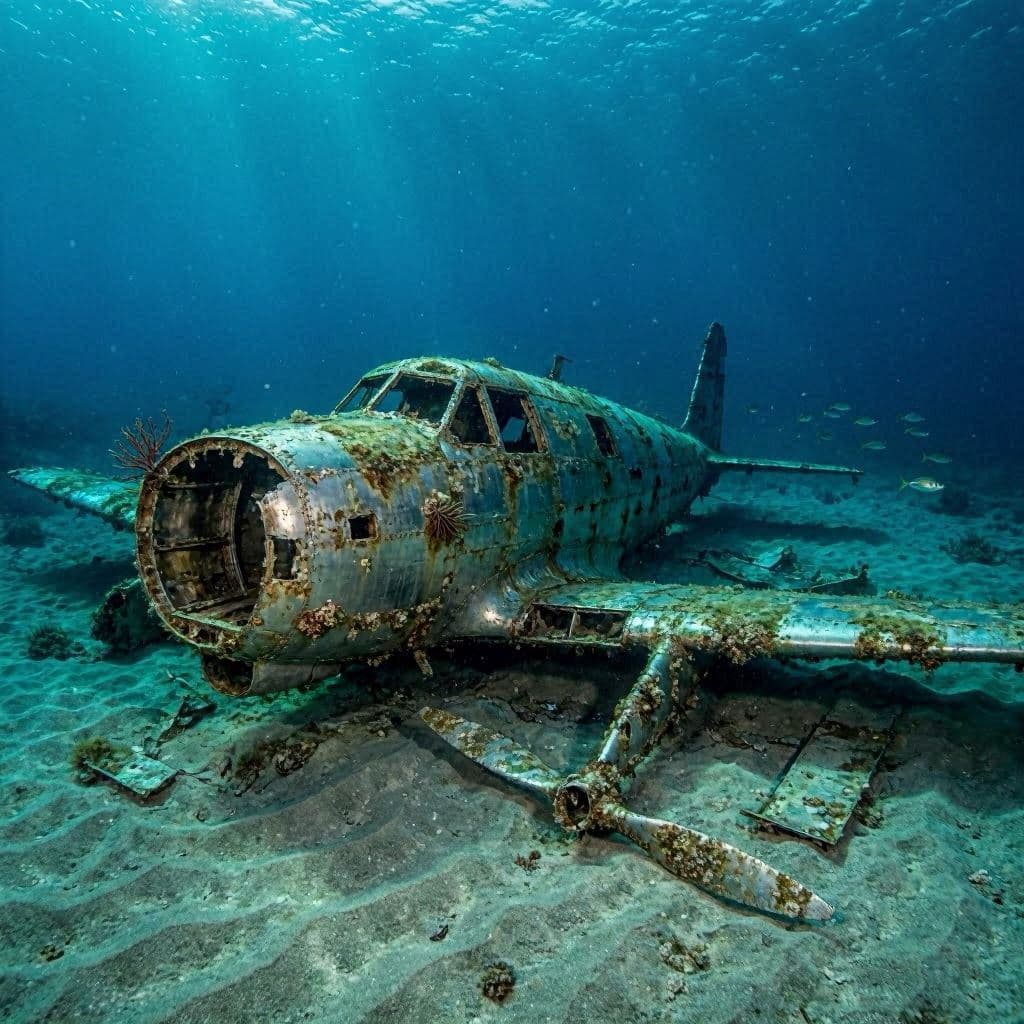
The ocean is a vast and unforgiving keeper of secrets, often revealing them only after a prolonged and painstaking search. In the Arabian Sea, a missing Boeing 737 has finally been located, bringing a measure of closure to a mystery that has gripped the aviation community. Yet, the discovery of the wreckage is not the end of the story but the beginning of a new, more somber chapter. As search teams continue their efforts to locate the missing crew members, the incident serves as a poignant reminder of the risks inherent in flight and the enduring hope that persists even in the face of tragedy.
Body: The aircraft, which disappeared under unclear circumstances, was found resting on the seabed, hundreds of meters below the surface. Advanced sonar technology and underwater drones were instrumental in pinpointing its location, showcasing the technological capabilities brought to bear in modern search operations. The condition of the wreckage will provide crucial clues for investigators seeking to determine the cause of the crash, whether mechanical failure, weather conditions, or other factors played a role.
For the families of the crew, the confirmation of the plane’s location is a bittersweet moment. It validates their long-held fears but also offers a specific focus for their grief. The search for the crew members continues with urgency, driven by the desire to provide answers and allow for proper mourning. Divers and remotely operated vehicles are scouring the area, hoping to recover remains and personal effects that can bring some comfort to those left behind.
The incident has raised questions about safety protocols and emergency response mechanisms in the region. While air travel remains one of the safest modes of transport, accidents still occur, and each one prompts a review of procedures. Authorities are likely to examine maintenance records, flight data, and communication logs to piece together the final moments of the flight. Transparency in this process is vital to maintain public trust in aviation safety.
International cooperation has been a key feature of the search effort. Agencies from multiple countries have shared resources and expertise, demonstrating the global nature of aviation safety. This collaboration underscores the idea that airspace and oceans are shared responsibilities, requiring joint efforts to ensure security and accountability. The success of the search operation is a testament to this collective commitment.
As the investigation proceeds, the focus will shift from recovery to analysis. Experts will study the debris field to understand the impact dynamics and potential structural failures. This data will contribute to broader knowledge about aircraft performance and safety, potentially leading to improvements in design or operational guidelines. Every accident, however tragic, offers lessons that can prevent future occurrences.
The human element remains central to the narrative. The crew members were professionals dedicated to their craft, and their loss is felt deeply by colleagues and loved ones. Memorials and tributes have begun to appear, honoring their service and sacrifice. These gestures serve as a reminder of the human cost behind every statistic and headline.
Closing: In the end, the finding of the missing Boeing 737 is a step toward truth and healing. While the search for the crew continues, the aviation community stands united in its commitment to understanding what happened and ensuring it does not happen again. The ocean may have claimed the plane, but it cannot erase the memory of those who flew it, nor the determination of those who seek to bring them home.
AI Image Disclaimer: Visuals accompanying this text are AI-generated conceptualizations intended to depict the themes of maritime search and aviation.
Sources: Reuters Associated Press Aviation Safety Network
Published by Banx Network. This article is part of the Banx decentralized media programme, powered by the BXE token on the XRP Ledger.


