
Key Highlights
- Former ICC prosecutor advocates for EU statute against US sanctions.
- The call emphasizes the need for independent international justice.
- US sanctions have drawn criticism from human rights advocates.
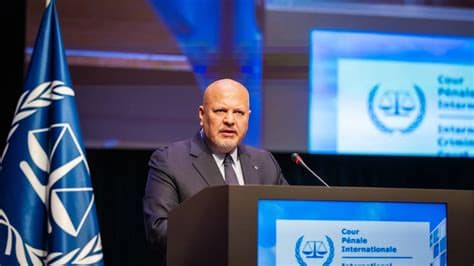
A former chief prosecutor of the International Criminal Court (ICC) has made a significant appeal to the European Union, urging it to establish a statute that would protect ICC members from U.S. sanctions. This request arises amid escalating tensions between the United States and the ICC, particularly concerning the court's investigations into alleged war crimes involving U.S. military actions.
The former prosecutor highlighted that the integrity of international justice is contingent upon the ICC's ability to function independently, free from external pressures and threats. By enacting a legal framework that shields ICC officials and staff from punitive measures, the EU could reaffirm its commitment to global justice and accountability. This move would not only protect the court's personnel but also strengthen the EU's position as a defender of human rights on the international stage.
Historically, the U.S. has imposed sanctions on ICC personnel who have been involved in investigating American military actions, claiming that the court exceeds its jurisdiction. This stance has faced backlash from various sectors, including human rights advocates and international law experts, who argue that such actions undermine the court’s vital role in prosecuting war crimes and crimes against humanity. The sanctions have raised concerns about the potential chilling effect on the ICC's operations and its ability to hold individuals accountable for serious violations of international law.
The proposed EU statute would serve as a critical signal to the international community, demonstrating that the EU stands resolutely in support of justice and human rights. As discussions regarding this initiative unfold, the EU's response to U.S. pressure will be pivotal in determining the future landscape of international justice. The implications of such a statute could resonate beyond the ICC, influencing how regional organizations respond to unilateral actions by powerful states.
This development raises essential questions about the balance of power in international law and the role of regional organizations in countering unilateral actions. The international community is closely monitoring the situation, as the outcome could set significant precedents for global norms regarding accountability and justice. The EU's actions in this regard will be crucial in shaping the future of international legal frameworks and the protection of human rights worldwide.
Published by Banx Network. This article is part of the Banx decentralized media programme, powered by the BXE token on the XRP Ledger.



