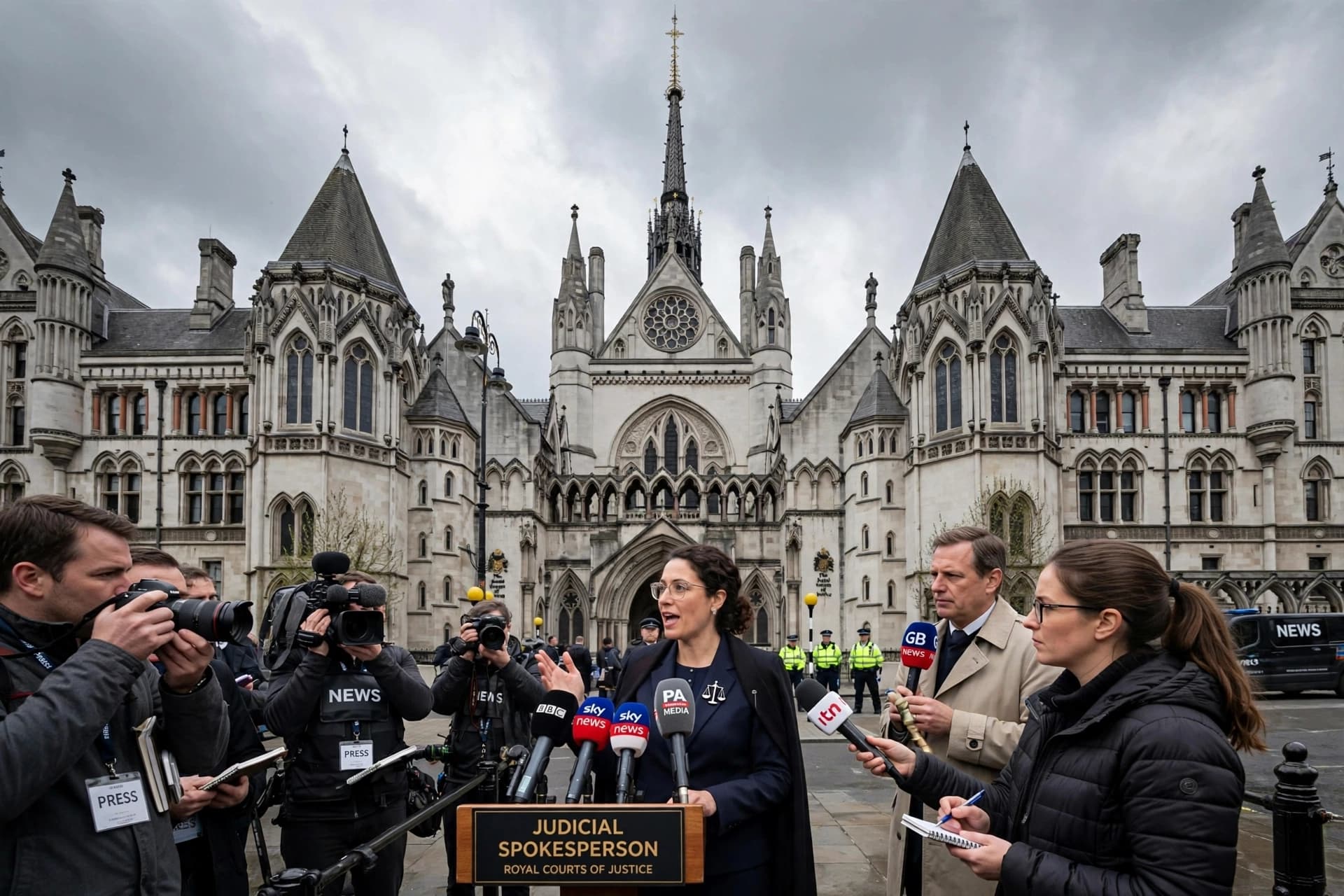
There is a particular spectacle in a member of a royal family challenging the law—a challenge that is not merely legal but symbolic, a statement that the procedures of the state are subject to scrutiny, and that even those born into privilege are entitled to question the methods by which they are investigated. On Monday, Andrew Mountbatten-Windsor, the former Prince Andrew, launched a High Court challenge to quash the search warrants that authorized police to search his homes earlier this year, in connection with the investigation into his links to the late sex offender Jeffrey Epstein. A private hearing is scheduled for Thursday before Justice Hilliard .
The warrants were issued by a judge at the Central Criminal Court on February 18, the day before Mountbatten-Windsor was arrested on suspicion of misconduct in public office. The following morning, police searched his residence at Marsh Farm on the Sandringham estate and his former home, Royal Lodge in Windsor. Mountbatten-Windsor was arrested on his 66th birthday, interviewed for 11 hours, and released under investigation—neither charged nor exonerated. The investigation, conducted by Thames Valley Police, continues .
The challenge is the first public pushback from the former prince, who has lost his titles, his homes, and his public status in the years since his association with Epstein was first revealed. The Daily Telegraph, which first reported the legal action, noted that it is the first time a member of the British royal family has challenged the lawfulness of criminal proceedings against them since the trial of King Charles I in 1649 . The comparison is dramatic, but it underscores the gravity of the moment: a senior royal, stripped of his titles, now fighting the police in court.
The legal significance of the challenge depends on what the court finds. If Mountbatten-Windsor succeeds in having the warrants quashed, it could prevent authorities from using evidence discovered during the searches in any future prosecution, according to attorney Mark Stephens of Howard Kennedy. But Stephens also noted that such disputes are not uncommon, and that even if the police lose on a technicality, they can sometimes retain the material by applying to the Crown Court to seize it again . The hearing on Thursday will initially address whether documents relating to the application can be made public. Thames Valley Police is opposing the release of those documents .
For the royal family, the case is a source of profound discomfort. King Charles III has reportedly told Mountbatten-Windsor that the allowance he provides should not be used to fund the legal challenge. Buckingham Palace no longer speaks on Andrew's behalf, and the King has said the "law must take its course" . Mountbatten-Windsor has consistently denied any wrongdoing in his association with Epstein, but the documents released by the U.S. Department of Justice—including emails appearing to show him sharing official reports during his time as trade envoy—have left him without the protections that once surrounded him. The hearing on Thursday is the first step in what may be a long legal battle. The outcome will determine not only the admissibility of evidence but the extent to which the law applies to those who were once above it.
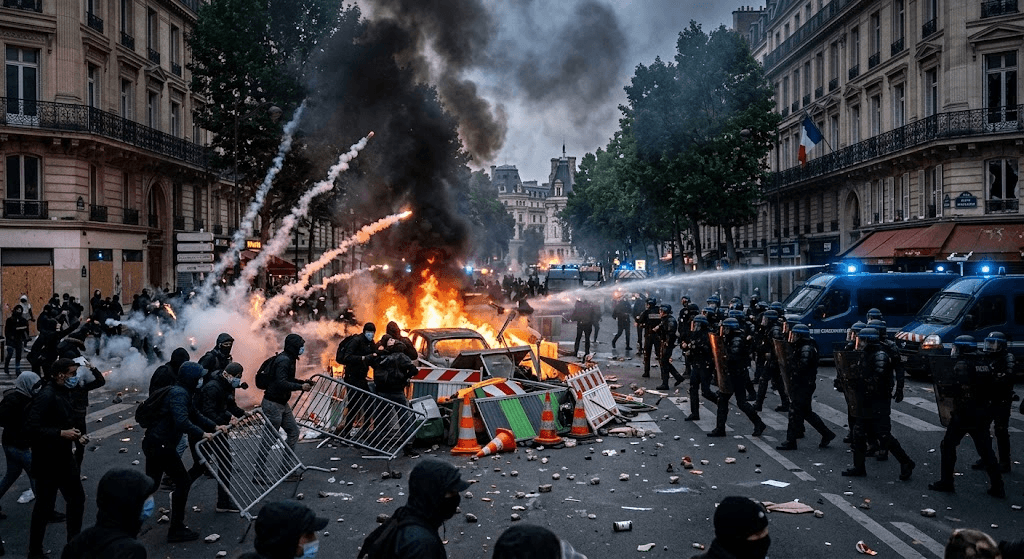
AI Image Disclaimer: The visual elements in this article were created using AI generation tools and are intended for illustrative purposes only.
Sources: BBC, Anadolu Ajansı, Courthouse News Service, South China Morning Post
Published by Banx Network. This article is part of the Banx decentralized media programme, powered by the BXE token on the XRP Ledger.