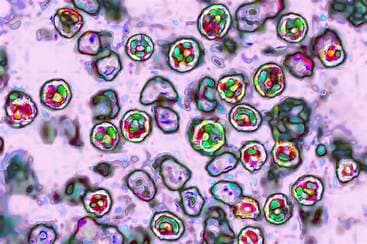
In the hush of early January, when the tropical sun begins its daily arc over O‘ahu, the Hawai‘i Department of Health offered a gentle reminder of how intertwined our lives are with distant places and unseen ecosystems. Like ripples on a calm sea after a single pebble, health events from afar can send subtle signals home; this time in the form of travel-related cases of two mosquito-borne viruses, Zika and dengue, identified on the island.
Earlier this week, state health officials reported that two individuals who recently returned from travel have tested positive for mosquito-borne viruses — one for Zika and another for dengue. Though they share the setting of O‘ahu, the cases are separate and bear no connection to each other or to previous reports in the islands.
A quiet kind of history settles around the name Zika in Hawai‘i. In years past, from 2015 to 2019, travel-associated cases were more commonly reported when the virus moved more widely on the global stage. This year’s confirmed Zika case on O‘ahu marks the first such detection in 2026, a reminder that even as seasons change, the world remains a mosaic of shifting health patterns.
Dengue’s story is woven with similar threads. Based on symptom onset, the recent dengue case will be counted among those reported in the previous year, bringing that total to 15. Dengue viruses circulate year-round in many subtropical and tropical regions beyond Hawai‘i, carried silently by tiny vectors whose reach defies borders.
The Department of Health has dispatched teams to perform outreach, inspect affected areas, and undertake mosquito control as a precautionary measure. Because the local mosquito species can carry both viruses, monitoring and controlling their numbers remain central to preventing wider spread. In communities without known cases, simple measures such as removing standing water — a favorite breeding site for mosquitoes — are encouraged.
For those who travel, public health guidance underscores awareness and prevention: minimizing mosquito bites at destinations, using EPA-registered repellents, and maintaining vigilance for symptoms after returning home. While both Zika and dengue infections can be mild, their presence in travelers serves as a reminder that health is a bridge to distant shores.
As O‘ahu settles back into its rhythm, the news arrives not as alarm, but as a thoughtful prompt — a quiet nudge to recognize how, in a world knit together by movement and memory, even our island home is never fully isolated.
AI Image Disclaimer (rotated) “Visuals are created with AI tools and are not real photographs.”
Sources (media names only):
Hawaii News Now Hawaii Department of Health News Release Maui Now Hawai‘i Public Radio (for related background on Zika) EIN Presswire (republication of DOH release)
Published by Banx Network. This article is part of the Banx decentralized media programme, powered by the BXE token on the XRP Ledger.