In the wide hangars and production lines of Boeing, there is reason for cautious optimism. After years of mounting losses and cash-burning operations, Boeing’s third quarter of 2025 marked its return to positive free cash flow — a milestone of operational improvement and promise for a company under pressure. Yet that optimism is tempered by the weight of a hefty charge: some $4.9 billion tied to the delay of its flagship wide-body jet, the 777X program.
On one hand, Boeing delivered 160 commercial aircraft during the quarter — the highest quarterly total since 2018 — and hauled in revenue of approximately $23.3 billion, a roughly 30 % jump year-on-year. The free-cash-flow turn is chiefly the result of improved aircraft deliveries, stronger customer payments, and better manufacturing rhythm in the commercial airplanes division.
On the other hand, the 777X program remains a drag. Boeing has now pushed first delivery of the 777-9 variant into 2027, citing certification and regulatory testing delays. Alongside this, Boeing booked a $4.9 billion non-cash charge in the third quarter tied to the program’s setbacks. The result: despite the improved cash flow, Boeing still posted a net loss in the quarter — roughly $5.3 billion — showing that the turnaround remains fragile.
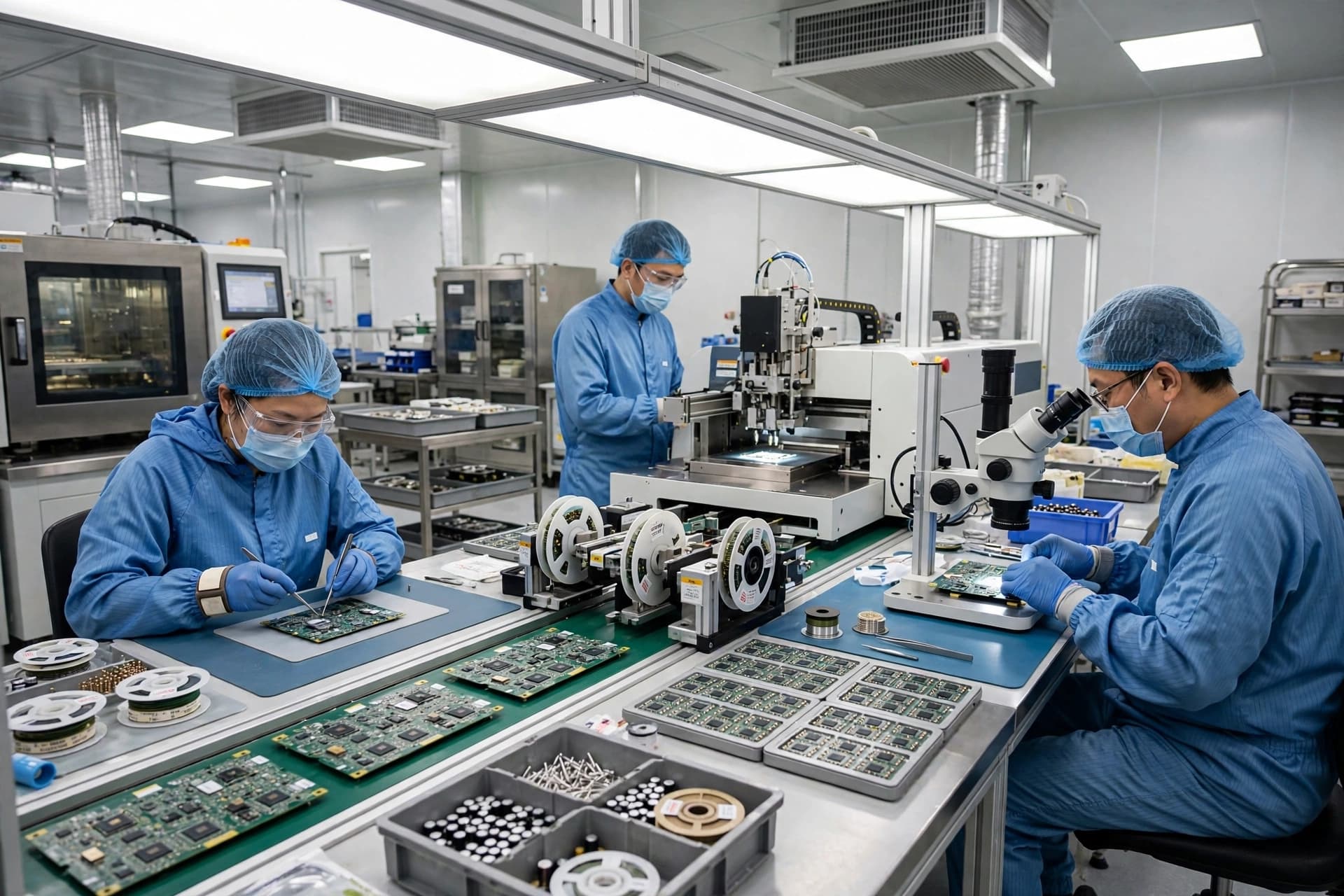
The dual nature of the story is clear: Boeing is beginning to stabilize its foundation — better cash flows, improved deliveries, more disciplined operations — yet it remains weighed down by a flagship program that has failed to meet expectations. For investors and industry watchers, the positive cash flow signals progress; but the 777X delay underlines that Boeing’s recovery is incomplete and that risks remain. AI-generated illustrations for editorial concept only.
Sources: Reuters Bloomberg Business Insider FlightGlobal
Published by Banx Network. This article is part of the Banx decentralized media programme, powered by the BXE token on the XRP Ledger.