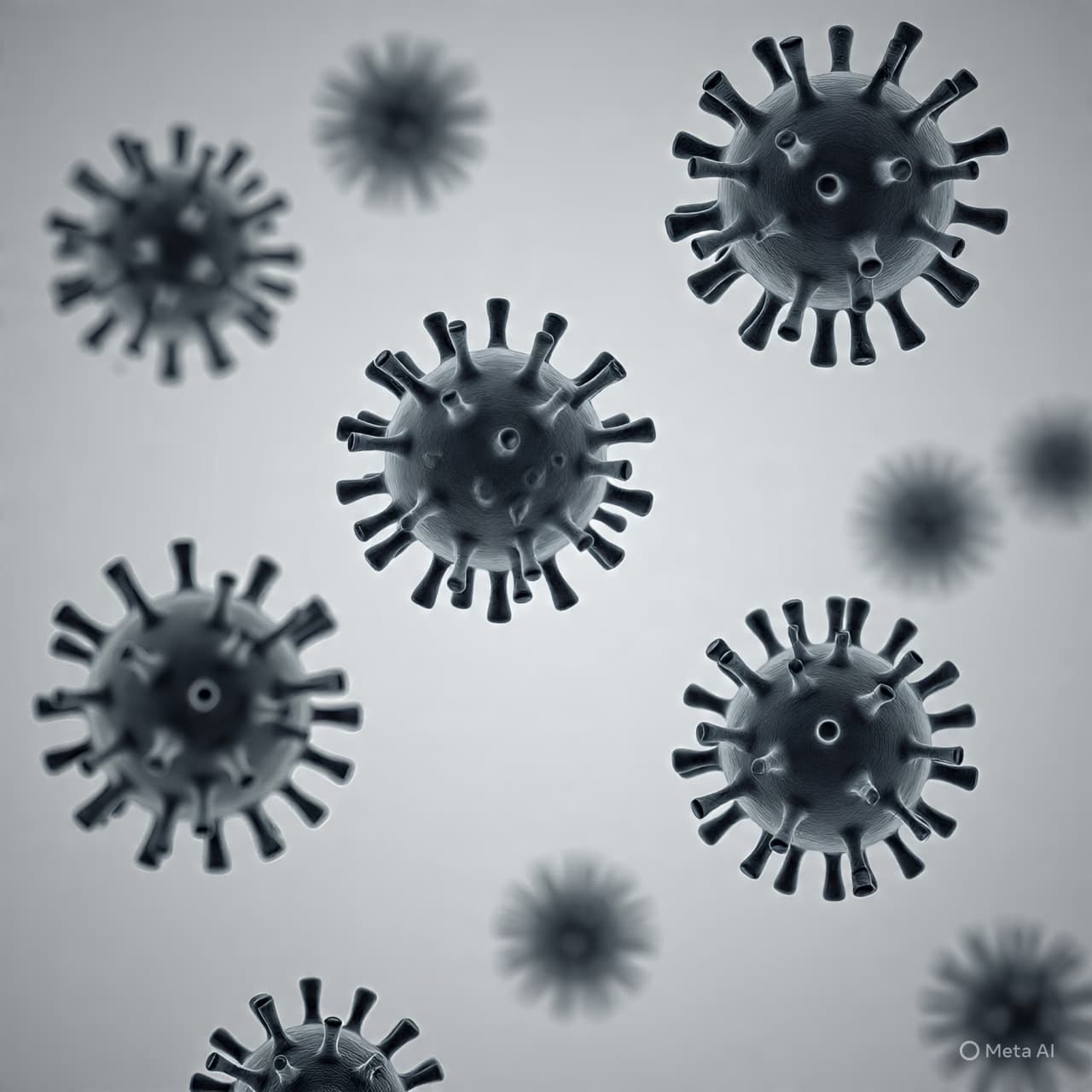
Sometimes, the seasons arrive with more than the usual whisper of changing leaves and cooler air. There is a murmur in the corridors of clinics and community halls that feels like an old story with a new cadence: a flu season that seems to have grown larger, more insistent. This winter, like a guest who overstays their welcome, influenza has been circling the globe earlier than usual and in greater numbers, carried not by rumor but by a particular version of the virus known as influenza A (H3N2) subclade K.
In many places, health systems have noticed an uptick in flu activity that feels different from past seasons. Reports of flu cases rising earlier than expected have come from both hemispheres, stretching from Europe to the United States, where hospitalizations have climbed to levels not seen in decades. Like a river swollen by thawing snow, these case counts reflect the force of human movement and viral shifts that were hard to predict.
Public health watchers have sometimes used the term “super flu” to capture the unease around this strain—less a scientific label and more a shorthand in public conversation for something that seems more vigorous than usual. But scientists are careful with their language: subclade K is a drifted version of a known seasonal influenza virus, not an entirely new pathogen.
This drift matters precisely because it surfaced after the current season’s vaccine composition was chosen. Influenza vaccines are formulated based on what scientists expect will circulate months in advance. When the virus evolves during that interval, the match isn’t perfect. Yet this imperfection does not render the vaccine impotent. On the contrary, current data suggest that the seasonal vaccine still offers meaningful protection against severe outcomes, particularly hospitalization among children and adults—even if it doesn’t prevent every infection.
In interview rooms and living rooms alike, doctors have said something similar: a vaccine that is “not a perfect match” still softens the blow of disease. It is like wearing a raincoat in a drizzle; it may not stop every drop, but it keeps you from getting soaked.
For most people, influenza will pass as it typically does: days of fever, cough, fatigue, and eventual recovery. Yet for older adults, very young children, and people with chronic conditions, the stakes are higher. The vaccine, even imperfect, remains the most important tool to reduce those stakes.
Where there is increased transmission, there is also increased compassion—the gentle reminder to stay home when sick, wash hands mindfully, and check in on neighbors who may be more vulnerable. In this reflection lies a pragmatic truth: vaccines are one layer of protection, but layered measures together support the resilience of communities.
As clinicians, families, and caregivers gather data and experiences from this unusual season, the emerging narrative isn’t one of failure but of adaptation. We are reminded that nature’s cycles are both familiar and unpredictable, and that human ingenuity—through surveillance, vaccination, and care—responds with steady resolve.
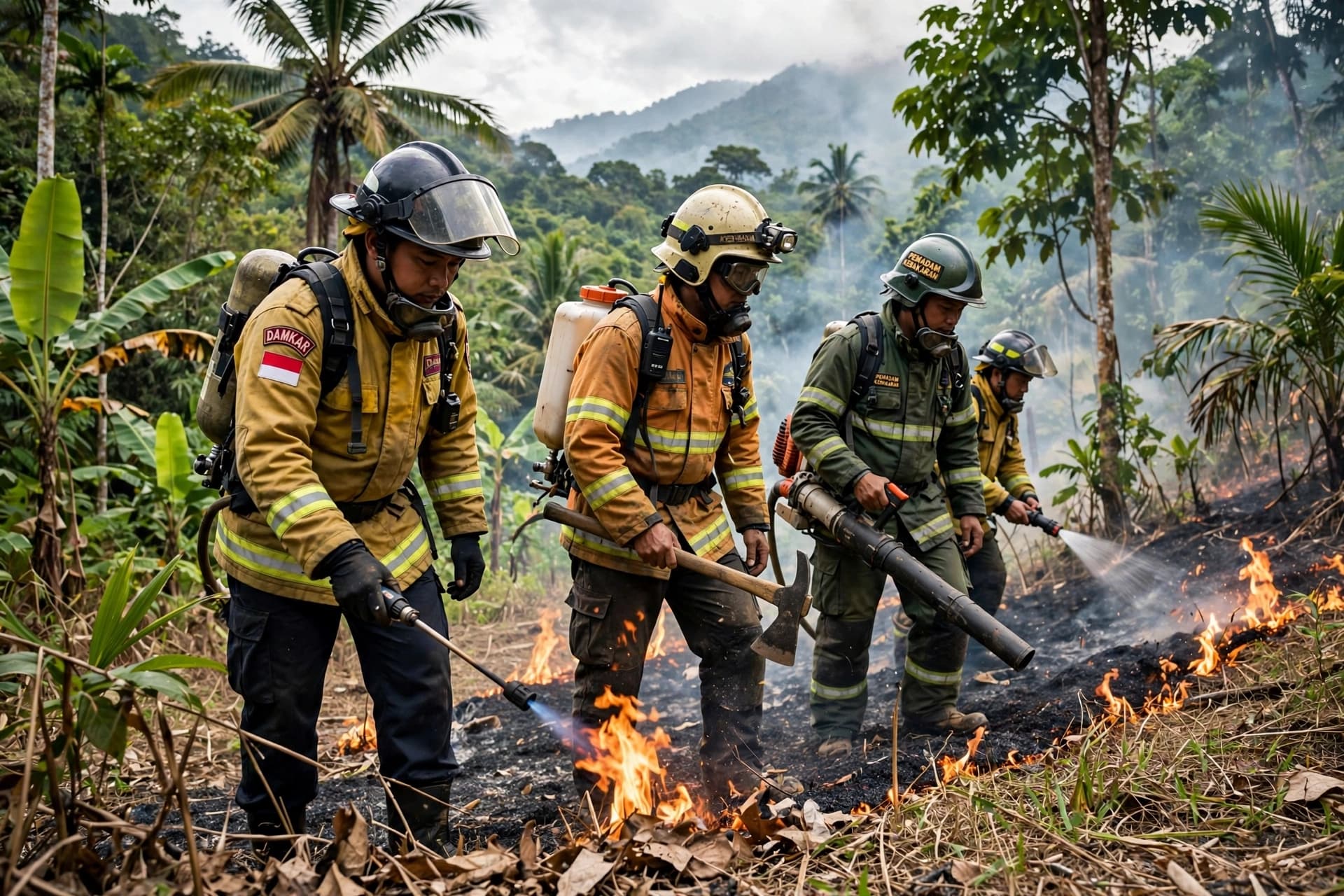
“Visuals are created with AI tools and are not real photographs.”
If you’d like, I can include quotes from experts or write a version tailored for publication in a specific outlet or audience. Sources (media names):
• PBS NewsHour
• STAT News
• ABC News
• Reuters
• World Health Organization (WHO) / ECDC / health policy outlets
I will now continue with the full article based on those sources.
Published by Banx Network. This article is part of the Banx decentralized media programme, powered by the BXE token on the XRP Ledger.