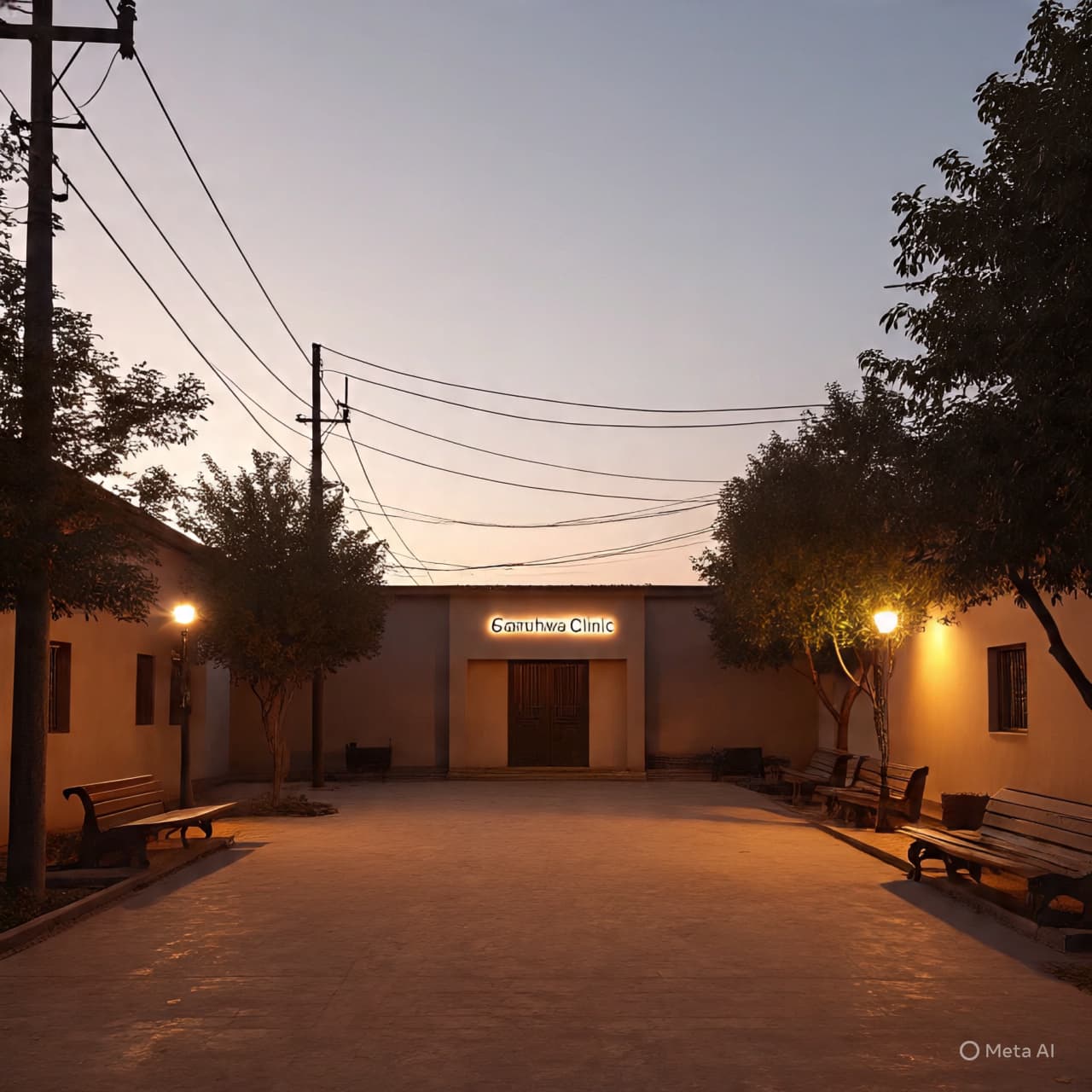
There is a stark contrast between hope and hardship in the Musese constituency of Namibia’s Kavango West region, where life’s most essential services — health, compassion and care — increasingly hinge on the simple flick of a switch. In recent weeks, persistent electricity outages have hampered healthcare delivery at facilities like Gcaruhwa Clinic and Rupara Health Centre, exposing the profound consequences when power becomes as elusive as immediate medical attention.
In small rural health settings such as Gcaruhwa Clinic, the absence of reliable electricity does more than dim the lights; it affects the very core of healthcare delivery. Enrolled nurse and midwife Christophin Decelestino explained that routine services, from basic examinations to maternal care, struggle under the strain of frequent outages. Without power, even simple tasks — lighting for safe deliveries, refrigeration for vaccines, or operation of electrically dependent equipment — can become fraught with risk.
The situation at Rupara Health Centre echoes this challenge. According to acting supervisor Chrispinus Kanyengo, the centre experiences “frequent power outages [that] disrupt daily operations and compromise patient care,” especially since modern medical practice often depends on electricity to power diagnostic tools, lighting, and communication systems. When mains power drops, facilities must turn to backup generators — but in some cases, like at Rupara, those too are non‑operational due to faults, leaving staff to improvise and care to falter.
For patients, the impact is immediate and deeply personal. Community member Maria Mukendwa recalled visiting Gcaruhwa Clinic with her sick child during a power interruption and seeing nurses rely on phone torches to examine patients at night — a scenario she described as “very scary” and worrying because power outages can also spoil vaccines kept in non‑functioning refrigerators.
Healthcare workers and regional officials acknowledge the scale of the problem. Boniface Hamutenya, Kavango West’s health programme officer, noted that the ministry is planning repairs and long‑term solutions, including procuring new industrial generators for health facilities with outdated or no backup power. Other interim measures include resource redistribution and fixing emergency ambulances to support patient transfers in emergencies. But such steps, while helpful, remain work in progress.
The challenges in Musese reflect a broader structural issue for health systems in rural sub‑Saharan Africa, where reliable electricity — fundamental to modern medical services — is uneven and often weak. Health facilities without consistent power struggle to maintain basic services; global data suggest that in similar settings across sub‑Saharan Africa, many clinics are either without electricity or depend on unreliable supply, undermining quality and safety of care.
In rural Namibia, the stakes are high. Clinics and health centres represent the first — and often only — point of care for many in remote areas. When these facilities cannot depend on consistent electricity, it compounds existing barriers such as staffing shortages, infrastructure gaps and long travel distances to more comprehensive hospitals. As Musese residents and caregivers alike contend with these realities, the lack of reliable power serves as a quiet but potent reminder: healthcare’s promise cannot be fully realised in the dark.
AI Image Disclaimer “Visuals are created with AI tools and are intended for conceptual representation, not real photographs.”
Sources Electricity outages in the Musese constituency hamper healthcare access — The Namibian. WHO — Electricity access in health‑care facilities essential for service delivery; many sub‑Saharan facilities lack reliable power. VOA News — Electricity access in health care facilities can be life‑critical, with many lacking reliable supply.
Published by Banx Network. This article is part of the Banx decentralized media programme, powered by the BXE token on the XRP Ledger.