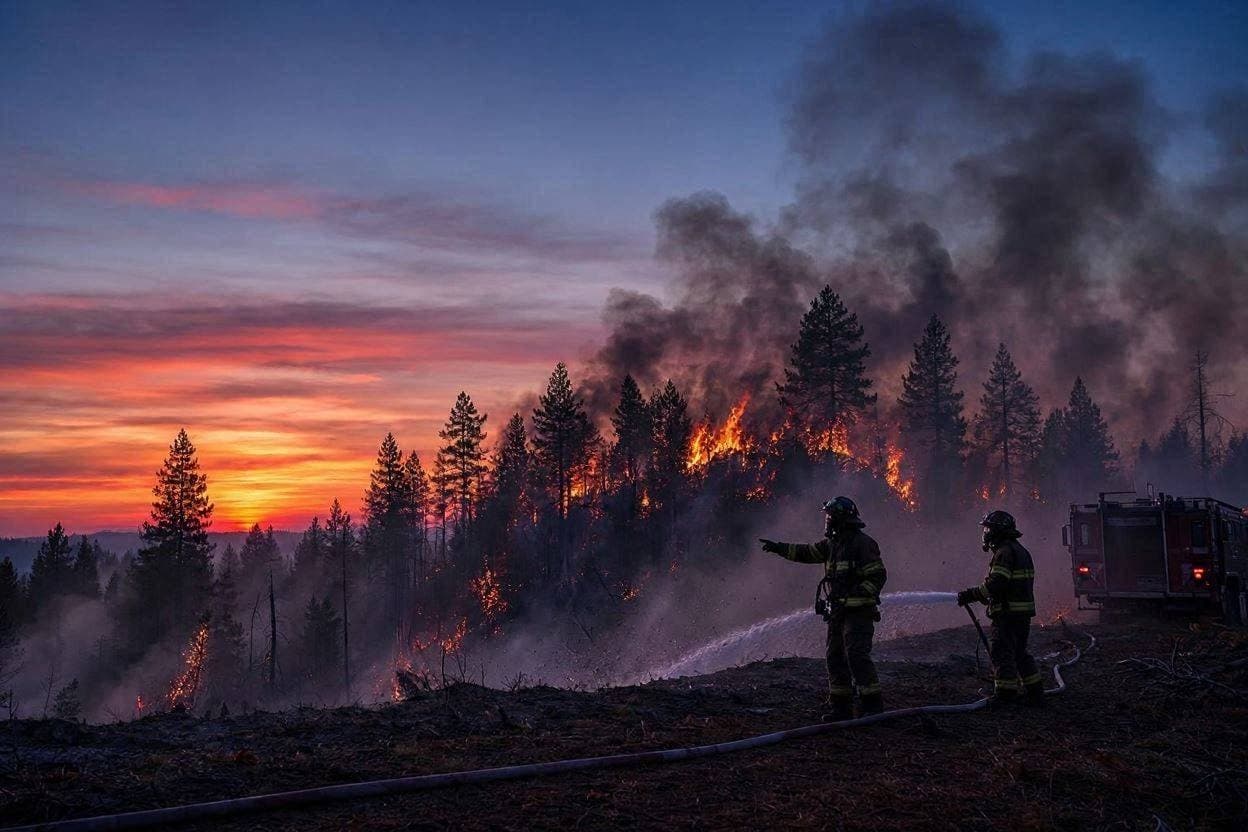
The summer sun, once a source of warmth and vitality for the Mediterranean basin, has transformed into an agent of destruction, casting a smoky haze over ancient landscapes. In Greece and Türkiye, wildfires are once again tearing through forests and threatening communities, a recurring nightmare that underscores the fragility of our environment in the face of a changing climate. As flames consume dry vegetation, the urgency of the situation extends beyond immediate containment to a broader call for systemic change.
Firefighters in both nations are battling intense blazes fueled by high temperatures and strong winds. In Greece, islands popular with tourists have seen evacuations, while in Türkiye, rural areas and forested regions are under severe threat. The scale of the fires has required international assistance, with neighboring countries sending aircraft and personnel to help combat the infernos. These efforts highlight the cross-border nature of environmental crises and the need for regional cooperation.
European Union President Ursula von der Leyen has used this moment to reiterate the critical importance of climate action. Speaking on the ongoing disasters, she emphasized that such extreme weather events are no longer anomalies but symptoms of a warming planet. Her message is clear: mitigation and adaptation strategies must be accelerated to prevent future catastrophes from becoming even more frequent and severe.
The link between climate change and wildfire intensity is well-established by scientific research. Rising global temperatures lead to drier vegetation, which acts as tinder for sparks from lightning or human activity. This creates a feedback loop where fires release more carbon dioxide, further exacerbating global warming. Breaking this cycle requires not only fighting fires but also addressing their root causes through policy and lifestyle changes.
Local communities are bearing the brunt of these disasters, losing homes, livelihoods, and cherished natural spaces. The emotional toll is significant, as residents watch landscapes they have known all their lives turn to ash. Support systems are being mobilized to provide shelter, food, and psychological aid to those affected, demonstrating resilience in the face of adversity.
Tourism, a vital economic sector for both Greece and Türkiye, faces disruption as fires close access to popular sites and deter visitors. The economic impact ripples through local businesses, from hotels to restaurants, highlighting the interconnectedness of environmental health and economic stability. Recovery will require not just rebuilding infrastructure but also restoring confidence in the safety and beauty of these destinations.
Governments are reviewing their disaster response protocols, investing in better detection systems and firebreaks. However, experts argue that prevention is key, calling for stricter land management practices and public awareness campaigns. Education on fire safety and responsible behavior in natural areas can significantly reduce the risk of ignition.
As the fires in Greece and Türkiye continue to burn, they serve as a stark reminder of the climate crisis. The call for action from EU leaders is a plea for collective responsibility, urging nations and individuals to work together toward a more sustainable and resilient future.
AI Image Disclaimer: The visuals accompanying this article are AI-generated illustrations designed to represent the themes of wildfire management and environmental urgency.
Sources: Reuters, Euronews, BBC News, Al Jazeera
Published by Banx Network. This article is part of the Banx decentralized media programme, powered by the BXE token on the XRP Ledger.

.jpg&w=3840&q=75 "Sally Rooney’s Books to Be Withdrawn From UK Sale Over Palestine Action Support")