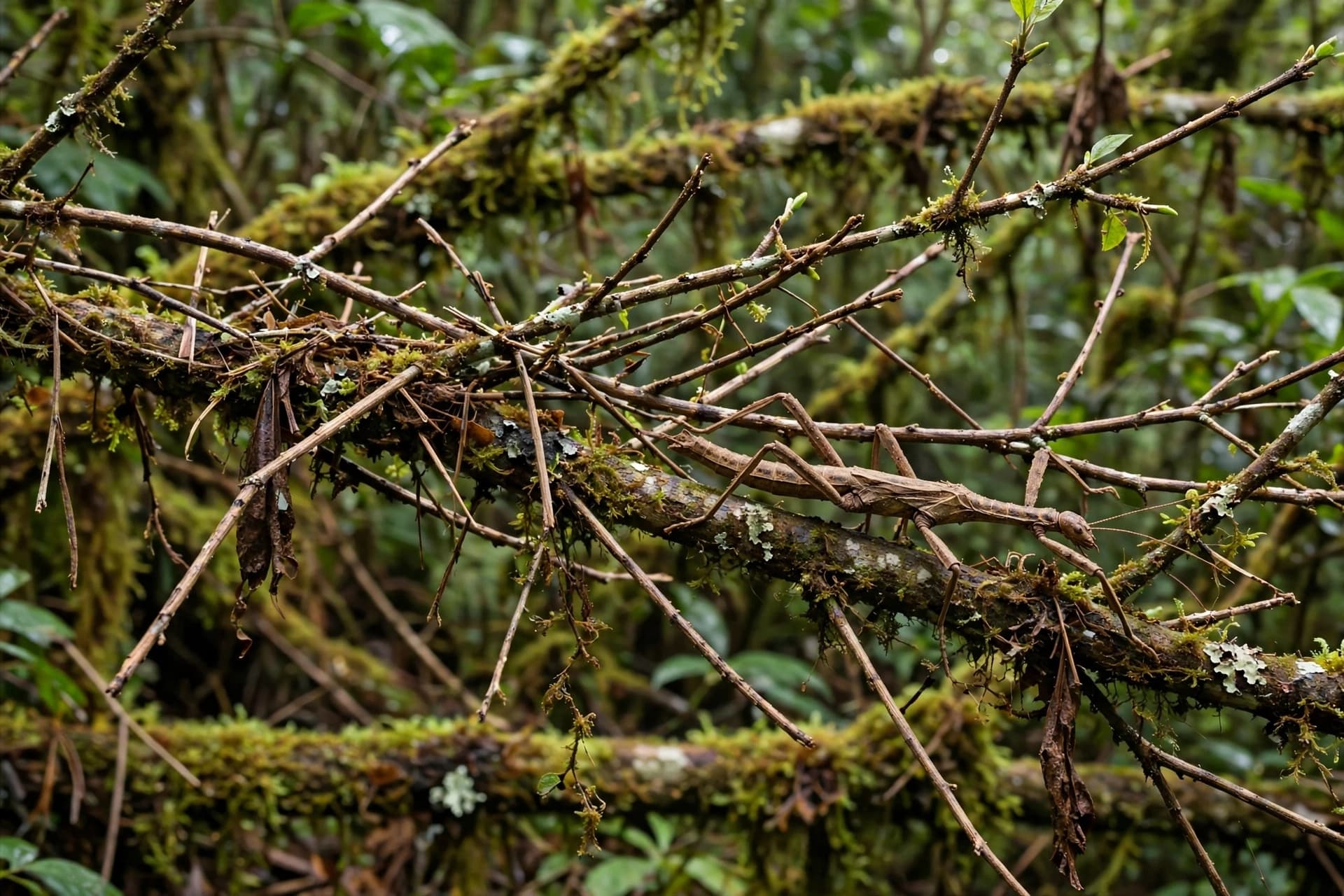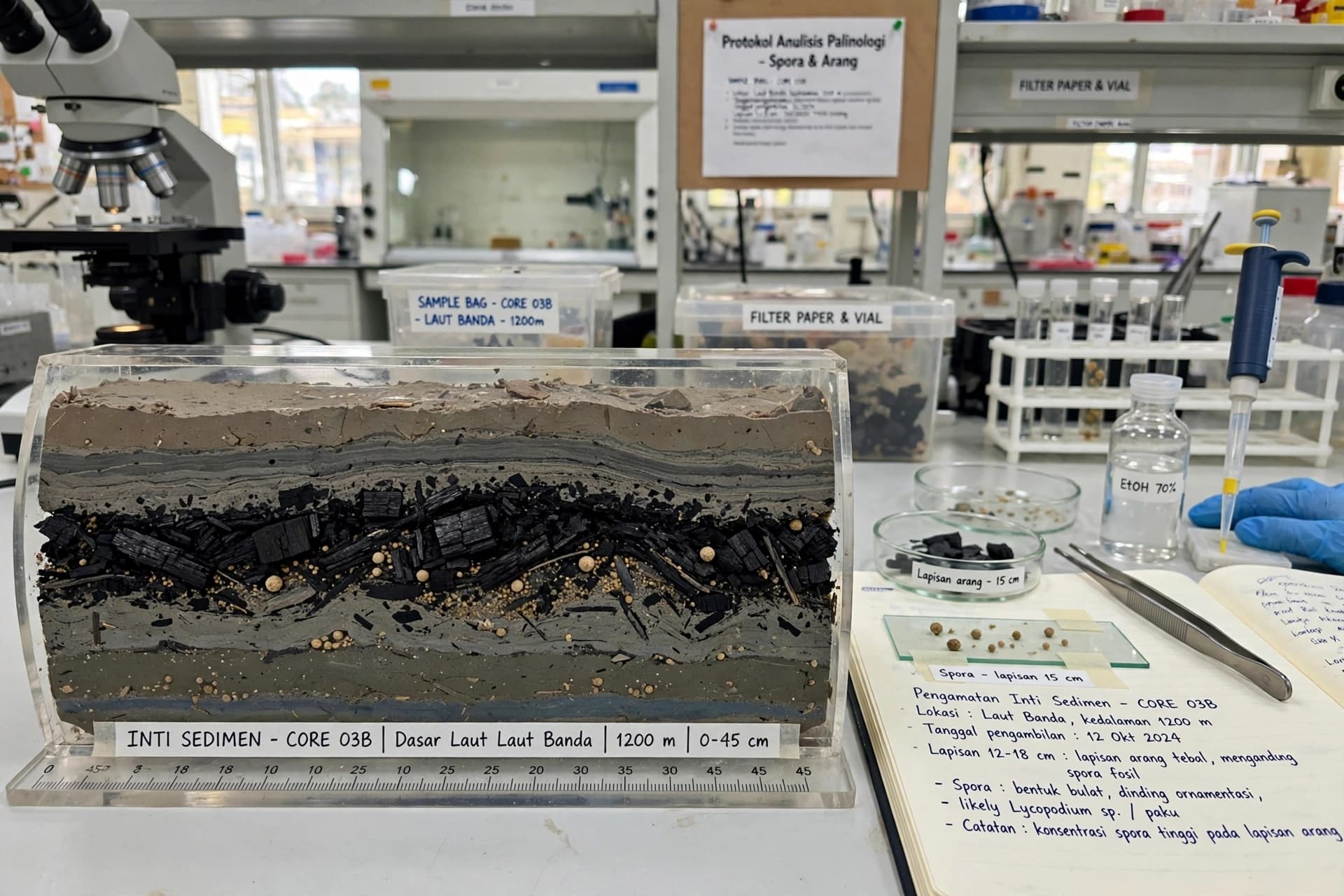
There is something almost strange about imagining flames burning across what we now know as the coldest continent on Earth. Yet 90 million years ago, Antarctica was not an endless expanse of ice. It was a swampy rainforest, home to dinosaurs, conifers, and giant ferns—a landscape that, according to new findings, was periodically swept by fire. Traces of those ancient fires, preserved in sediment cores from the floor of the Amundsen Sea, now provide evidence of the southernmost wildfires ever recorded on the planet. The discovery began with a 30-meter-long core drilled from the Antarctic seafloor. In 2020, a research team led by Dr. Johann Klages of the Alfred Wegener Institute announced that they had discovered exceptionally well-preserved fossil forest soil, dating back roughly 90 million years, complete with pollen, spores, and dense networks of roots. The temperate forest, according to their reconstruction, grew only about 900 kilometers from the South Pole, during a period when atmospheric carbon dioxide levels were four to six times higher than today. Average annual temperatures reached around 12 degrees Celsius, while annual rainfall was approximately 1,120 millimeters.
Further analysis of the same core, however, revealed something unexpected. Throughout sediment layers dating from the Late Cretaceous period, researchers found microscopic charcoal particles that became increasingly abundant toward the upper part of the core. Analysis of those particles indicated that soft conifer wood had burned at relatively low temperatures—a characteristic associated with surface fires that do not spread throughout the forest canopy. Additional evidence came from amber, fossilized tree resin, which appears to have formed a protective seal over tree trunks that had been injured by fire.
Even more intriguing was the apparent connection between the fires and changes in the landscape. In the older sections of the core, pollen indicated that swamp forests dominated by conifers were widespread. But toward the younger layers, there was a sharp increase in spores from Sphagnum mosses and ferns. Scientists concluded that increasingly frequent fires played an important role in opening up the vegetation, creating conditions that allowed peatlands dominated by Sphagnum to develop. Professor Ulrich Salzmann of Northumbria University, one of the study's lead authors, described the process as an evolution from swamp rainforest to peatland, with fire acting as a catalyst. The next question was what caused the fires. Volcanic activity along the West Antarctic Rift System was active at the time, but geochemical evidence from the sediment core pointed to low-temperature burning, which was not consistent with pyroclastic flows or lava. Researchers concluded that the most likely ignition source was lightning from thunderstorms, similar to the natural wildfires that occur in high-latitude conifer forests today. They suspect that a combination of high atmospheric oxygen levels, seasonal dryness, and monsoonal rainfall patterns created conditions that made the landscape vulnerable to fire during the austral summer.
The discovery is more than a record of ancient history. Peatlands play an important role in the climate system because they are highly effective long-term carbon stores. In warmer climates, wetlands can dry out more quickly, while fires that prevent forests from developing may become more frequent—potentially encouraging the formation of peatlands where carbon-rich plant material accumulates. Johann Klages noted that the Late Cretaceous was an exceptionally warm period that was vulnerable to fire, and researchers were surprised to find evidence that wetlands near the South Pole could transform into peatlands under such conditions. The study offers insight into how fire and peatlands may evolve together, a dynamic that remains relevant as modern peatlands face increasing drought pressure from climate change.
The findings were published in the journal Communications Earth & Environment. Researchers emphasized that although the Cretaceous climate was very different from today's climate, the discovery shows that fire can be part of a healthy peatland ecosystem as long as the land is not excessively drained or subjected to severe drought. For now, the sediment core from the Amundsen Sea preserves the story of a forest that once burned near the South Pole—a reminder that Antarctica was not always the frozen world we see today.
AI Image Disclaimer: The illustrations in this article were generated by artificial intelligence and are for illustrative purposes only.
Sources: Alfred Wegener Institute, Nature, Eos, Northumbria University, Naked Science
Published by Banx Network. This article is part of the Banx decentralized media programme, powered by the BXE token on the XRP Ledger.