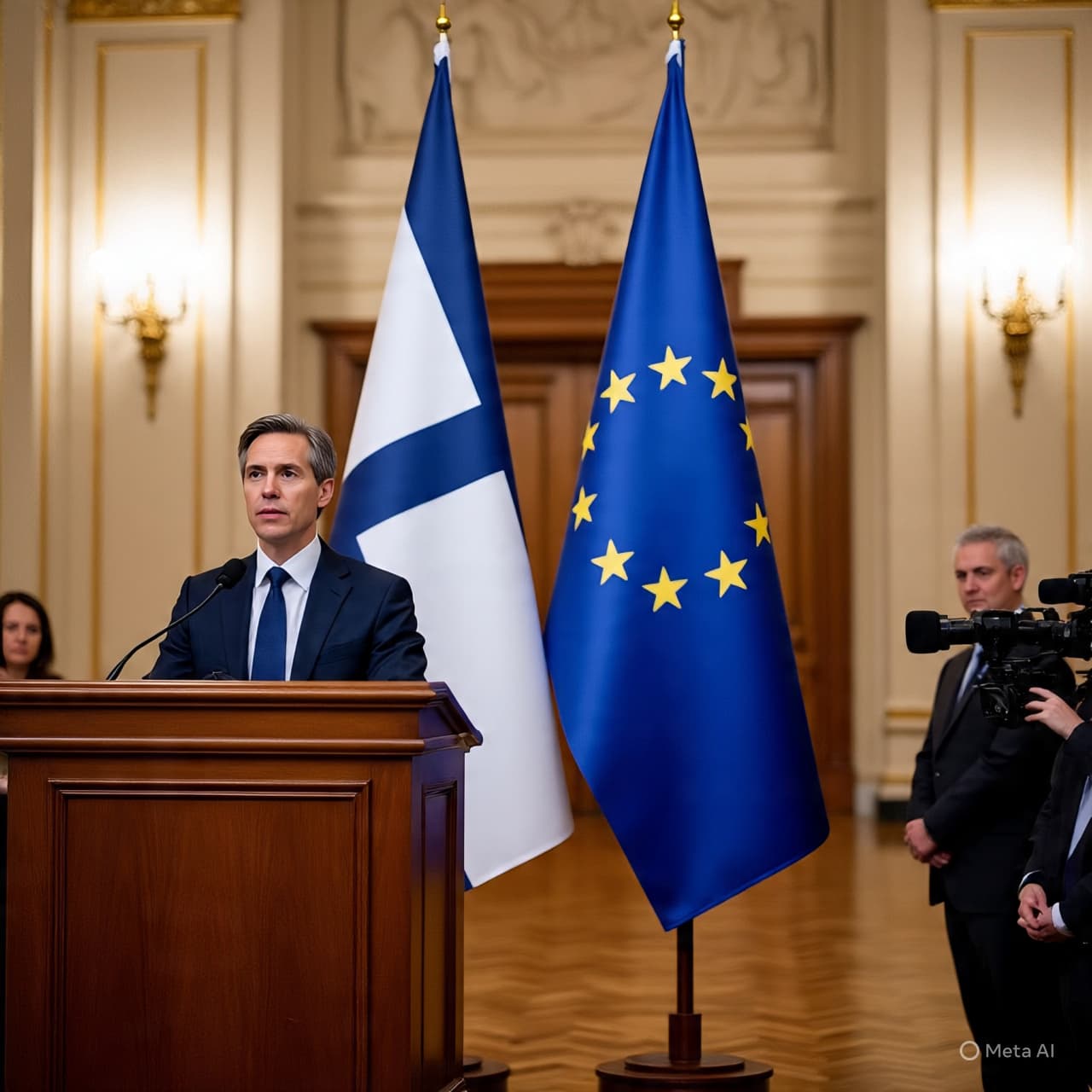
Finland’s president has suggested that the war unfolding in the Middle East could indirectly influence the conflict in Ukraine by affecting Iran’s ability to maintain military cooperation with Russia.
President Alexander Stubb said that rising tensions involving Iran in its own region may place pressure on the country’s resources and strategic priorities. If Tehran becomes more focused on developments closer to home, it could limit the extent of its military cooperation with Moscow.
Western officials and analysts have frequently pointed to cooperation between Iran and Russia since the war in Ukraine began. That relationship has drawn particular attention because of reports involving weapons systems and drone technology associated with the conflict.
According to the Finnish leader, developments in the Middle East could therefore have broader geopolitical implications beyond the region itself. Conflicts in one part of the world often influence military partnerships and political calculations elsewhere.
The war in Ukraine has increasingly been shaped by international dynamics. Since Russia launched its invasion in 2022, governments around the world have responded through military assistance, sanctions, diplomatic initiatives, and strategic partnerships.
At the same time, tensions across the Middle East have raised wider concerns about regional stability and global security. Any escalation involving major regional actors can affect international alliances, supply chains, and defense cooperation.
Finland has been among the European countries providing strong political and military support to Ukraine. The Nordic nation joined NATO in 2023, reflecting a significant shift in its security posture following Russia’s invasion.
From Helsinki’s perspective, developments that influence Russia’s external partnerships are closely monitored for their potential impact on the conflict. If Iran’s attention or resources are redirected toward regional tensions, it could affect the broader strategic environment surrounding the war.
Still, analysts caution that the relationship between different global conflicts is complex. Events in separate regions do not always produce direct consequences, and the long-term implications of current tensions remain uncertain.
For now, the remarks highlight how interconnected today’s geopolitical landscape has become. Developments in the Middle East may shape strategic calculations far beyond the region, including the ongoing war in Ukraine.
Published by Banx Network. This article is part of the Banx decentralized media programme, powered by the BXE token on the XRP Ledger.