There is a particular weight to the air in midsummer, a heaviness that presses against the skin and slows the pace of even the most energetic days. Across the South and West of the United States, this sensation has intensified into a dangerous extreme heat event, prompting officials to urge caution and care as temperatures soar to record levels.
Meteorologists report that high pressure systems have settled over these regions, trapping hot air and preventing the cooling relief of evening breezes. In many areas, temperatures have exceeded one hundred degrees Fahrenheit, with heat indices making it feel even hotter due to humidity. This sustained warmth poses significant health risks, particularly for vulnerable populations such as the elderly, children, and those with pre-existing conditions.
Health experts emphasize the importance of hydration as the first line of defense against heat-related illnesses. Drinking plenty of water, rather than alcoholic or caffeinated beverages, helps the body regulate its temperature. Electrolyte-rich drinks can also be beneficial for those spending extended periods outdoors, replenishing salts lost through sweat.
Staying cool is equally critical. Authorities recommend limiting outdoor activities during the peak heat hours, typically between noon and six in the evening. Seeking air-conditioned environments, such as libraries, shopping malls, or community cooling centers, can provide essential relief. For those without access to air conditioning, using fans and keeping curtains closed during the day can help maintain a cooler indoor temperature.
Clothing choices play a subtle but important role in comfort and safety. Lightweight, loose-fitting, and light-colored garments reflect sunlight and allow for better air circulation around the body. Wide-brimmed hats and sunglasses offer additional protection from direct sun exposure, reducing the risk of sunburn and heat exhaustion.
Community connection is another vital aspect of staying safe during extreme heat. Checking on neighbors, especially those who live alone or may have limited mobility, ensures that everyone has access to resources and support. Simple gestures, such as offering a ride to a cooling center or sharing extra water, can make a significant difference in preventing heat-related emergencies.
Outdoor workers face unique challenges in these conditions, and employers are encouraged to implement safety protocols such as frequent breaks, shaded rest areas, and adjusted work schedules. Awareness of the signs of heat illness, including dizziness, nausea, and confusion, is crucial for early intervention and prevention of more severe conditions like heat stroke.
As the heat wave continues, patience and preparedness remain our best tools. By following these guidelines and looking out for one another, communities can navigate this challenging weather with resilience and care.
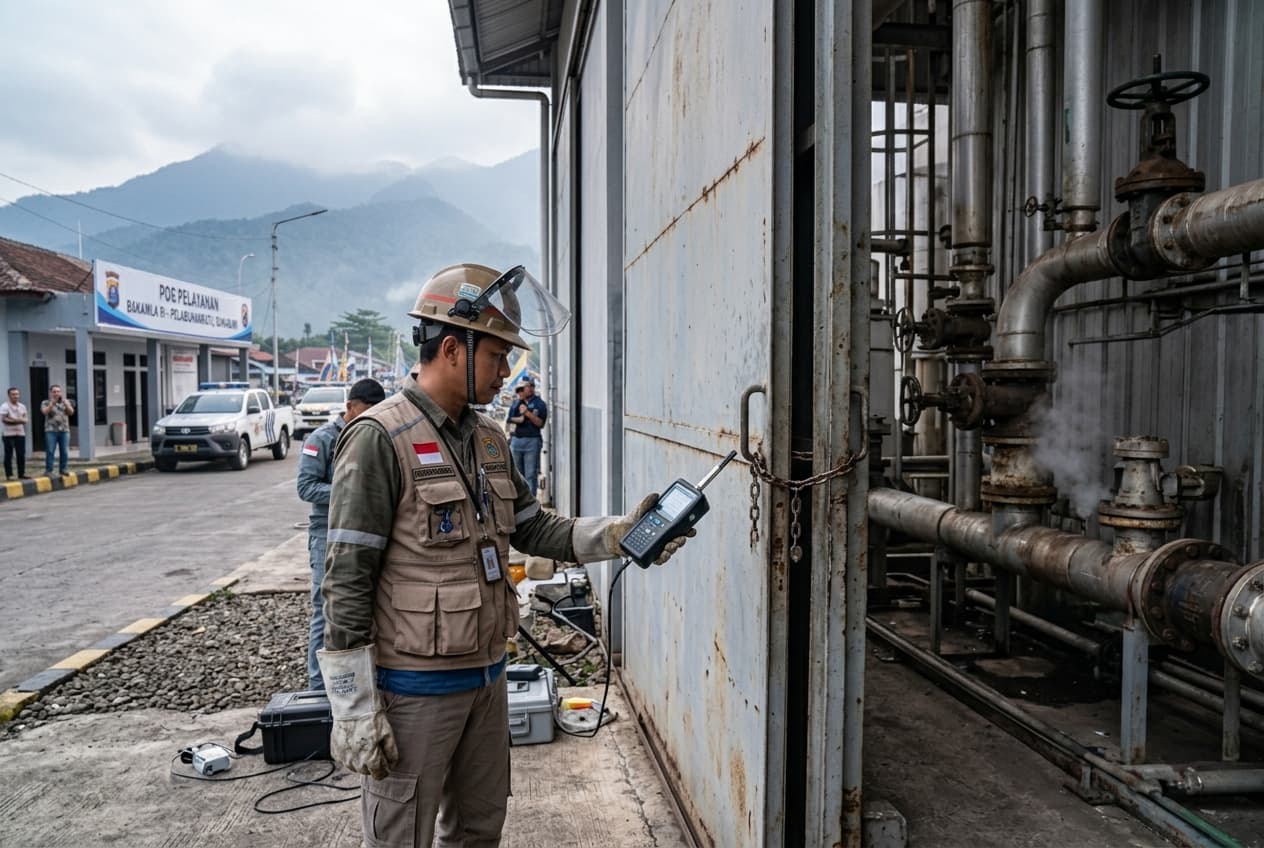
AI Image Disclaimer: Please note that the images associated with this article are AI-generated representations designed to convey the theme of summer heat and safety.
Sources: FEMA, Red Cross, USA Today, NC Department of Health and Human Services
Published by Banx Network. This article is part of the Banx decentralized media programme, powered by the BXE token on the XRP Ledger.