In the high-stakes arena of American politics, perception is often as powerful as policy. A recent report by The Wall Street Journal has sparked a wave of criticism from Democratic colleagues against Senator John Fetterman, highlighting the fragile nature of political alliances and the intense scrutiny faced by public figures. The article, which detailed aspects of Fetterman’s conduct and interactions, has become a lightning rod for debate within the party. This incident invites reflection on the pressures of modern governance, where personal behavior and professional performance are inextricably linked in the public eye.
The report raised questions about Fetterman’s engagement with legislative duties and his communication style, suggesting a disconnect between his public persona and private actions. For many Democrats, who rely on unity to advance their agenda, these allegations are troubling. They view consistency and reliability as essential traits for effective leadership. The backlash is not just about one senator but about the broader implications for the party’s image and effectiveness in a closely divided Congress.
Fetterman, known for his unconventional approach and direct communication, has faced both praise and criticism since taking office. His supporters argue that his style brings freshness and authenticity to a often stale political environment. However, critics within his own party suggest that such informality can undermine serious legislative work. The tension between innovation and tradition is a recurring theme in political discourse, and Fetterman finds himself at the center of this debate.
The reaction from Democratic leaders has been swift, with some calling for greater accountability and adherence to institutional norms. This response reflects a desire to maintain discipline and coherence within the caucus. In a political landscape where every vote counts, reliability is paramount. The criticism serves as a reminder that individual actions can have collective consequences, affecting the party’s ability to govern effectively.
Public opinion remains divided, with some voters appreciating Fetterman’s transparency and others concerned about the reported behaviors. Social media has amplified the discussion, turning internal party dynamics into a public spectacle. This visibility adds pressure on all involved, forcing them to navigate the complex interplay of private conduct and public expectation. It highlights the challenges of maintaining privacy in an era of constant surveillance.
Political analysts suggest that this episode could influence future strategic decisions within the party. It may lead to tighter oversight of members’ activities or a reevaluation of recruitment and support strategies. For Fetterman, the challenge is to address the concerns while maintaining his unique voice. Balancing authenticity with accountability is a delicate task, requiring both self-reflection and political savvy.
As the situation unfolds, the focus shifts to how Fetterman responds and whether he can rebuild trust with his colleagues. The outcome will likely shape his role in upcoming legislative battles and his long-term political trajectory. It is a test of resilience, demanding adaptability and a commitment to public service. The political world watches closely, aware that today’s controversy may become tomorrow’s precedent.
Democratic criticism of Senator John Fetterman following a Wall Street Journal report underscores the tensions between individual style and party discipline, highlighting the challenges of maintaining unity in a polarized political environment.
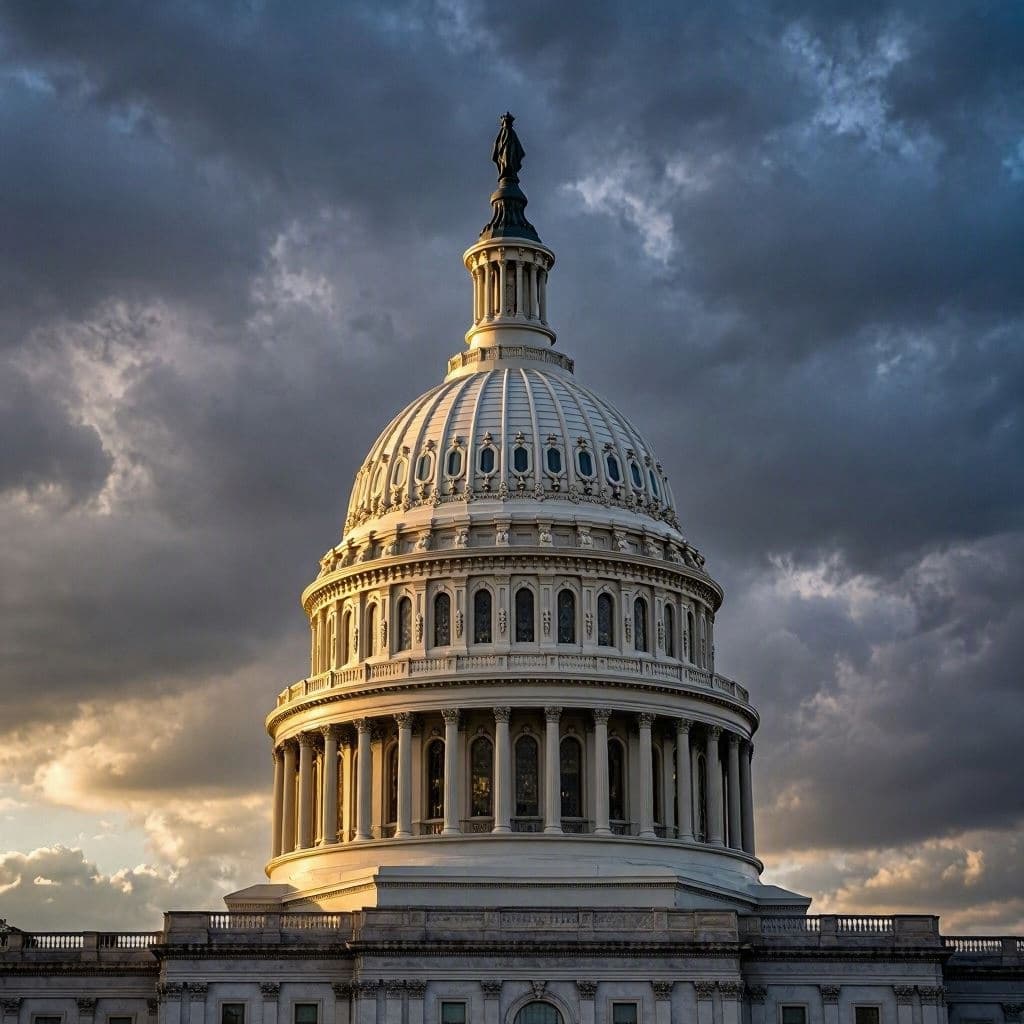
AI Image Disclaimer: Visuals associated with this article are computer-generated interpretations designed to complement the narrative, not actual photographic evidence.
Sources: The Wall Street Journal Politico The Hill Senate Press Releases
Published by Banx Network. This article is part of the Banx decentralized media programme, powered by the BXE token on the XRP Ledger.