Sometimes, an idea drifts into our minds like a feather on a gentle breeze — soft, unexpected, and inviting deeper reflection. In the vast expanse between worlds, tiny travelers might be drifting in much the same way, carried on cosmic winds of rock and chance. What if the seeds of life have already taken journeys across the solar system, tucked within shards of asteroid debris, riding a celestial current from one planet to another?
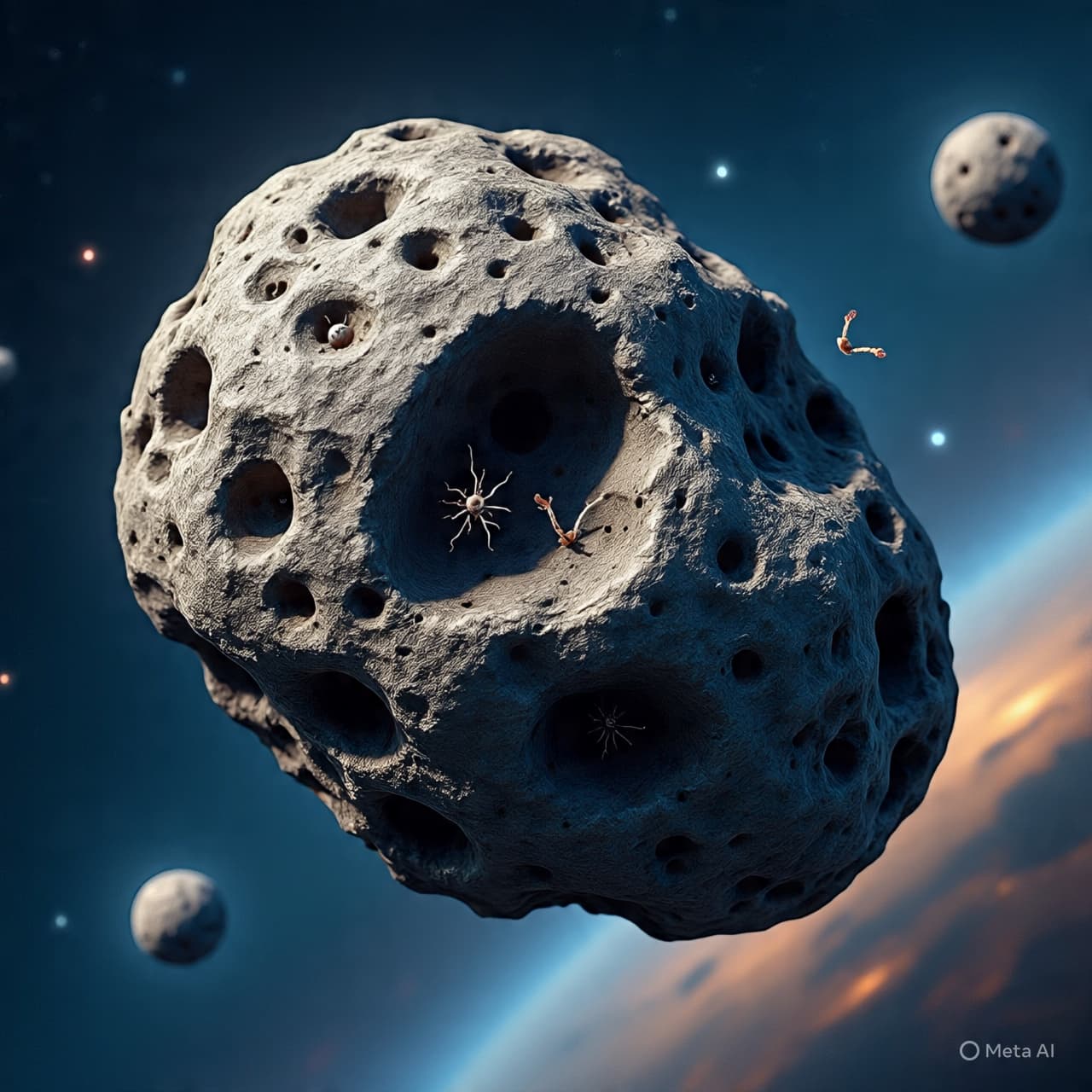
For as long as humans have looked up at the night sky, questions about origins and connections have whispered through our stories and our science. The notion that life could be bound to a single world is comforting, but it may not be the whole story. A new study by researchers at Johns Hopkins University explores a remarkable possibility — that life, or at least the hardiest of life’s forms, could survive the violent ejection from one planet and the uncertain voyage through space to another. This idea recalls an old hypothesis called lithopanspermia, where life might catch a ride on rocks thrown into space by asteroid impacts. ([turn0search0], [turn0search1])
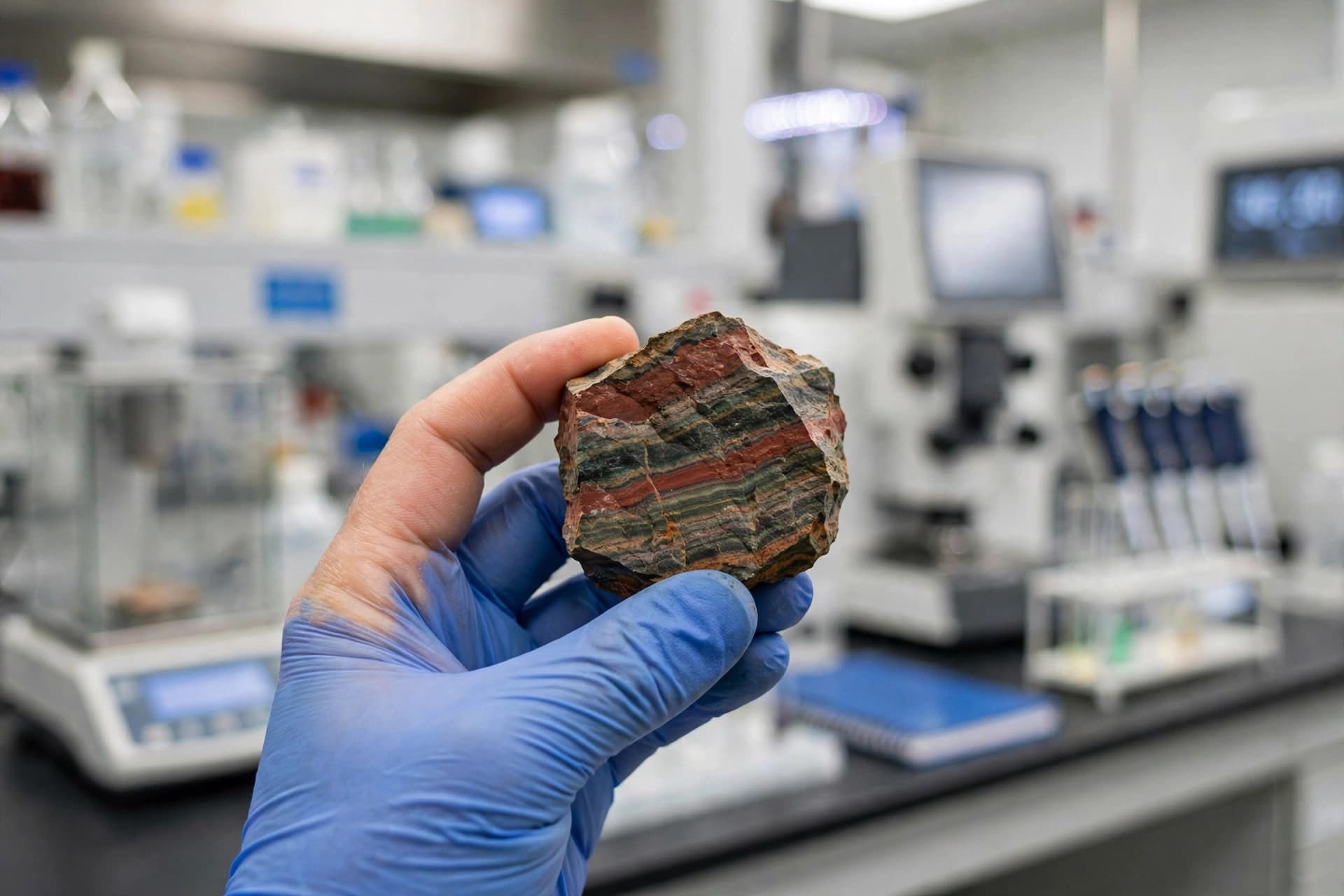
In carefully designed experiments, scientists chose Deinococcus radiodurans, an extremophile bacterium known for its extraordinary resilience, and subjected it to pressures similar to those experienced when a rocky fragment is blasted off a planetary surface by an impact. The pressures used in these simulations were far greater than those in most natural environments — even greater than those at the bottom of Earth’s deepest ocean trench. The results were astonishing: in many tests, the microbes survived, showing that life could potentially withstand the shock of planetary ejection and the desolate journey between worlds. ([turn0search0], [turn0search4])
The experiment does not suggest that life has definitively traveled between planets, but it opens the door a little wider to that possibility. If microbes can survive such extreme stresses and the cold vacuum of space, then the paths connecting celestial bodies are not just empty corridors but potential bridges for life. These results resonate with earlier ideas in astrobiology suggesting that microscopic life might endure the harsh conditions of space long enough to reach a new world, perhaps even arriving on our own planet in the distant past. ([turn0search8])
Beyond the scientific intrigue, this research invites us to think more broadly about what it means for life to be “local.” Instead of being locked to the surface of one planet, life might be more like the wind in a meadow, capable of traveling unseen across great distances when conditions allow. This view does not replace traditional studies of how life begins, but enriches them with a sense that the cosmos might be more interconnected than it first appears.
In measured scientific terms, the study published in PNAS Nexus provides new experimental data showing that certain microorganisms can survive simulated conditions comparable to those encountered during ejection from a planetary surface. These findings have implications for understanding how life might transfer between planetary bodies and also for future planetary protection policies, which aim to prevent contamination of celestial bodies during space exploration missions. Further research will explore how different organisms and conditions affect survival during interplanetary transport.
AI Image Disclaimer (Rotated) “Graphics are AI‑generated and intended for representation, not reality.”
Sources Futurity; Sci.News; Phys.org; EarthSky; The Hub (Johns Hopkins University).
Published by Banx Network. This article is part of the Banx decentralized media programme, powered by the BXE token on the XRP Ledger.