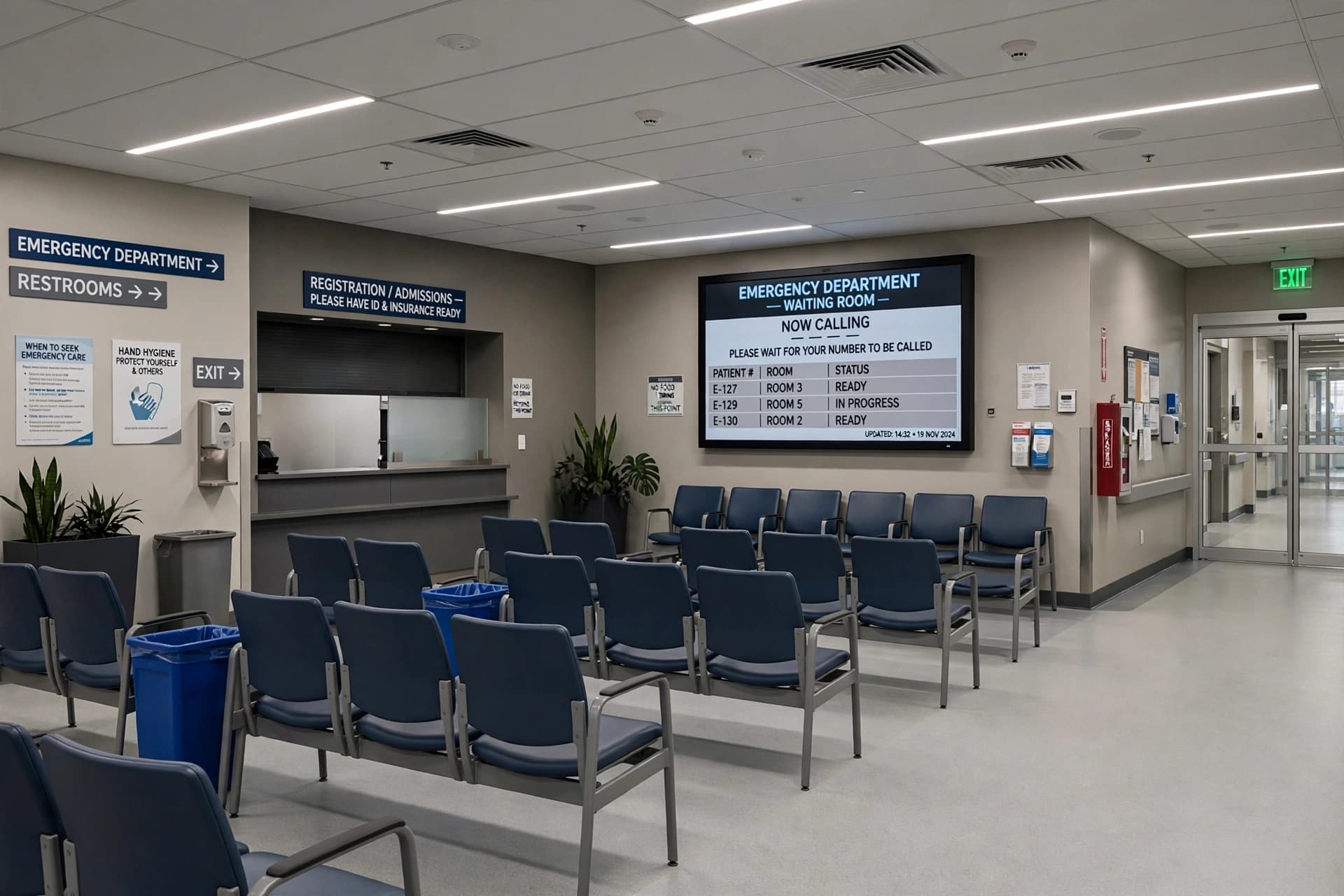
In the heart of Central Africa, a dual crisis is unfolding, where the fear of one deadly disease is exacerbating the dangers of another. In the Democratic Republic of Congo, an ongoing Ebola outbreak has created a climate of anxiety that is driving pregnant women away from hospitals and clinics. This avoidance of medical care has led to a tragic increase in maternal mortality, as women choose the perceived safety of home births over the risk of infection in healthcare facilities. It is a heartbreaking dilemma that highlights the complex interplay between infectious disease control and essential health services.
The Ebola epidemic, centered in the Ituri Province, has claimed thousands of lives and disrupted daily routines across the region. Hospitals, once places of healing, are now viewed by many as potential hotspots for transmission. This perception, fueled by the highly contagious and fatal nature of the virus, has led to a significant decline in antenatal care visits and facility-based deliveries. For pregnant women, the choice is stark: risk Ebola in a hospital or risk childbirth complications at home.
Maternal health outcomes in the DRC were already fragile before the outbreak, with limited resources and infrastructure posing constant challenges. The current crisis has strained these systems further, leaving midwives and doctors overwhelmed and underprotected. Without skilled attendance during birth, complications such as hemorrhage, obstructed labor, and infection become far more likely to result in death for both mother and child.
Community leaders and health organizations are struggling to bridge the gap between fear and necessity. Efforts to educate the public about the safety protocols in place at treatment centers are meeting with mixed success. Trust, once broken by past outbreaks and misinformation, is difficult to rebuild. Many women remain convinced that staying home is the safer option, despite the high risks associated with unassisted childbirth.
The impact extends beyond individual tragedies, affecting the broader social fabric. Families lose mothers and newborns, creating cycles of grief and economic hardship. Children are left orphaned, and communities are deprived of their caregivers and leaders. The long-term demographic and social consequences of this maternal mortality spike will be felt for generations.
International aid agencies are working to provide alternative solutions, such as mobile clinics and community-based care models that bring services closer to homes while minimizing exposure risk. However, these efforts require significant funding and coordination, which are often hampered by logistical challenges and security concerns in conflict-affected areas.
The situation also underscores the importance of integrated health systems. When a single disease dominates the public health agenda, other critical services can suffer neglect. Balancing emergency response with routine care is a delicate task that requires strategic planning and robust resource allocation. The current crisis serves as a lesson in the need for holistic health approaches.
As the Ebola outbreak continues to rage, the silent crisis of maternal mortality grows in its shadow. Addressing this challenge requires not only medical intervention but also a restoration of trust and confidence in healthcare systems. For the women of Congo, the hope is for a future where seeking help does not mean choosing between two deadly risks.
AI Image Disclaimer: Please note that the images in this piece are AI-generated illustrations created to depict the themes of maternal health and humanitarian crisis.
Sources: Associated Press, PMNCH WHO, UNFPA, Africanews
Published by Banx Network. This article is part of the Banx decentralized media programme, powered by the BXE token on the XRP Ledger.