As global oil flows continue to adjust under the weight of sanctions and shifting trade patterns, the European Union is preparing new measures aimed at tightening oversight of Russian crude exports. A draft document shows Brussels proposing to include Georgia’s Kulevi port and Indonesia’s Karimun port in its framework for monitoring the handling of Russian oil.
The proposal reflects growing concern within the EU that Russian petroleum products are moving through a widening network of transshipment hubs, often blending with other supplies or changing documentation along the way. By identifying additional ports linked to these trade routes, European officials hope to strengthen enforcement of existing restrictions and improve transparency across complex shipping chains.
Kulevi, located on Georgia’s Black Sea coast, has long served as a regional energy terminal handling crude and refined products. Karimun, positioned near one of the world’s busiest maritime corridors in Indonesia, has emerged as a strategic storage and transfer point for oil moving between suppliers and Asian buyers. Both facilities sit along routes that have gained prominence as Russian exports have been redirected away from Europe toward new markets.
Since the EU and its partners imposed sanctions and price cap mechanisms following Russia’s invasion of Ukraine, the global oil trade has undergone a quiet but significant reconfiguration. Tanker fleets have shifted patterns, intermediary traders have become more active, and ship-to-ship transfers in international waters or third-country ports have increased. Regulators in Europe say these developments have complicated efforts to track the origin and pricing of cargoes.
The inclusion of specific ports in EU monitoring or restriction lists does not necessarily imply wrongdoing by local authorities or operators. Rather, such measures are typically designed to flag higher-risk transit points and encourage additional due diligence among insurers, shippers, financial institutions, and service providers connected to the trade.
For countries outside the EU, the move highlights the widening reach of European compliance expectations in global energy markets. Governments and port operators in transit hubs often face a delicate balance: maintaining their role in international commerce while navigating the regulatory pressures created by sanctions imposed elsewhere.
The draft proposal is part of the EU’s broader effort to close loopholes and prevent circumvention of its Russia-related energy measures. Any final decision would require approval by member states and could be adjusted during negotiations.
As Russian oil continues to find new pathways to market, the document underscores a central reality of the sanctions era: enforcement is no longer confined to borders, but follows the routes of global trade itself.
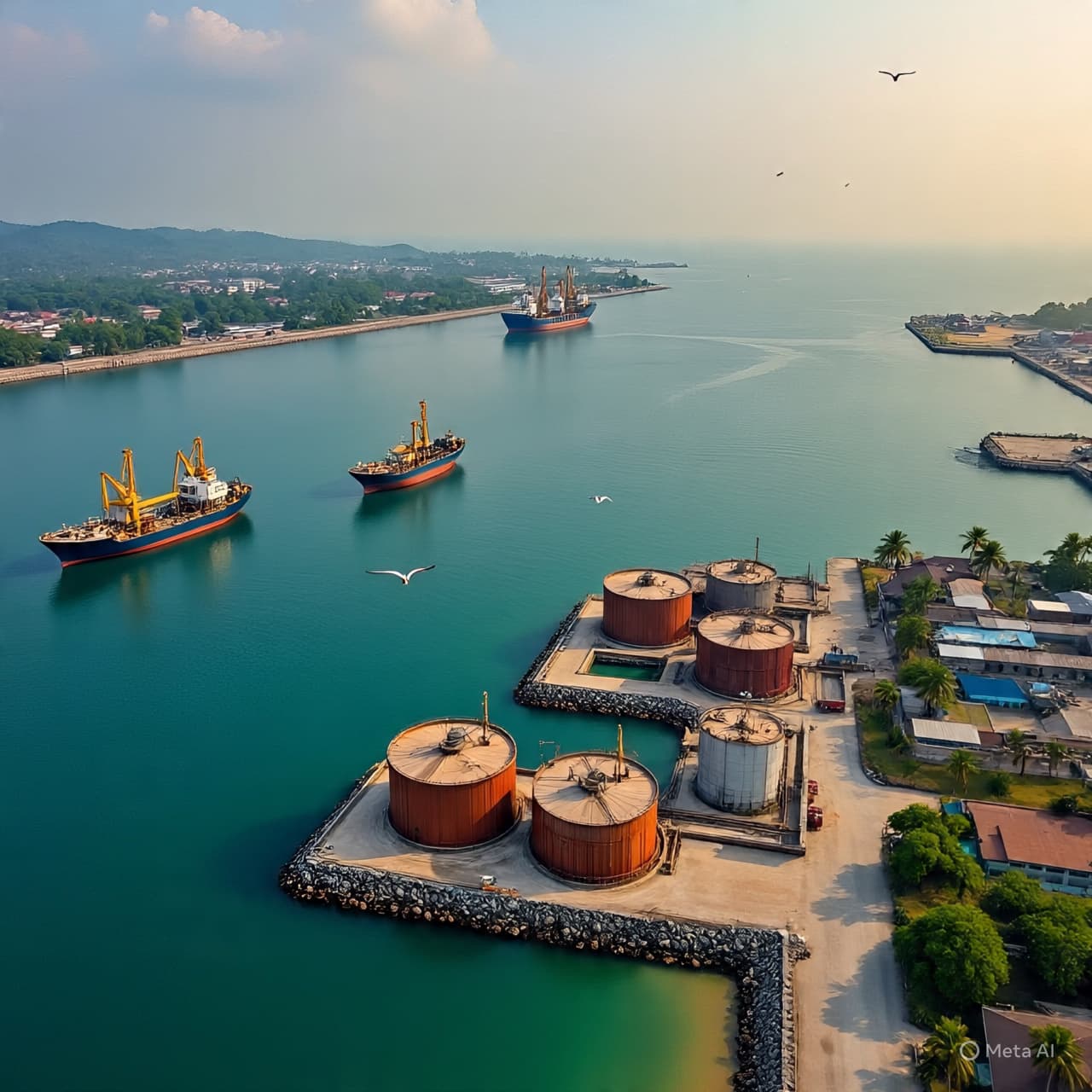
AI Image Disclaimer Some visuals accompanying this article may be generated by artificial intelligence for illustrative purposes only.
Published by Banx Network. This article is part of the Banx decentralized media programme, powered by the BXE token on the XRP Ledger.