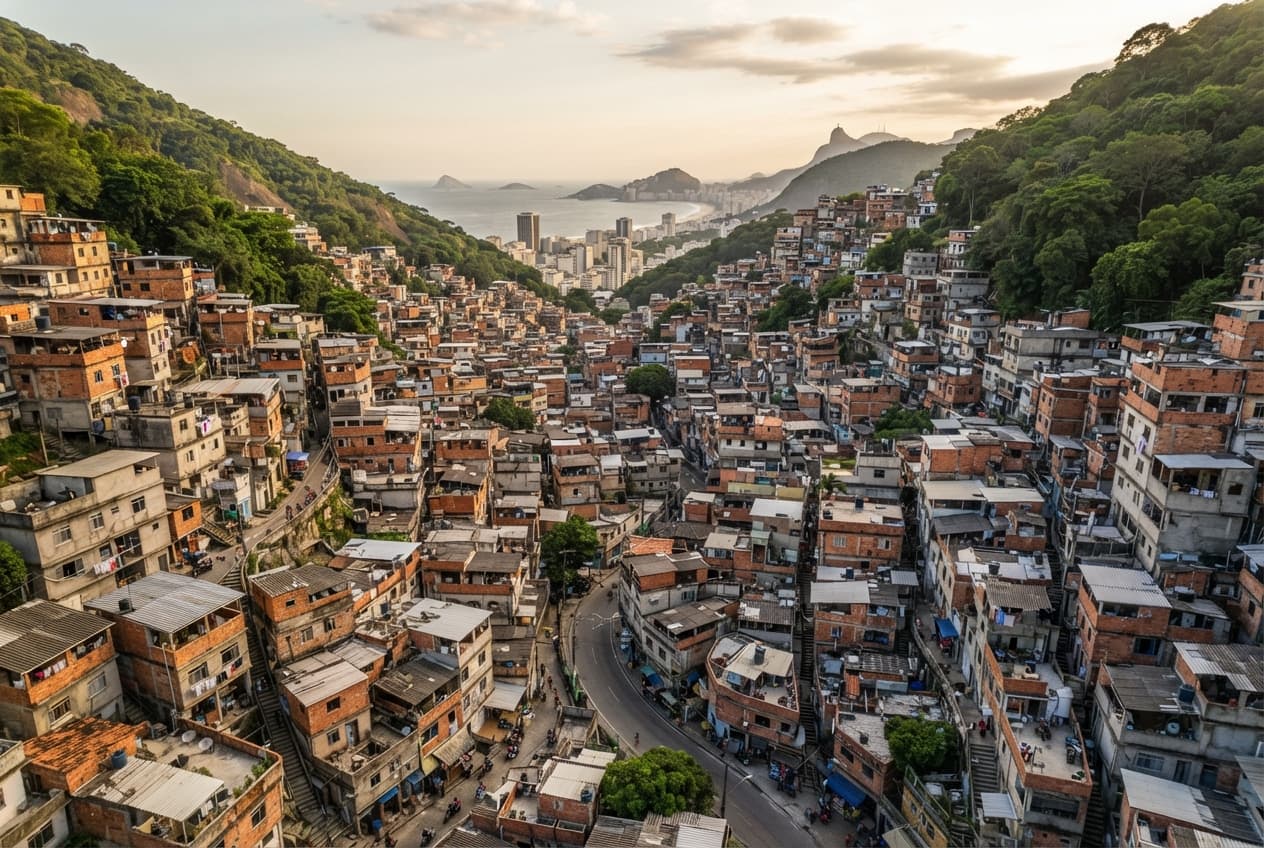
Rio de Janeiro, Brazil—Heavy gunfire echoed across a dense hillside favela at 10:00 AM on Monday when military police clashed with heavily armed drug trafficking factions. Stray bullets pierced corrugated metal roofs and residential walls, resulting in tragic civilian casualties amid the crossfire. Residents scrambled for cover behind concrete pillars and kitchen tables as the sharp crack of assault rifles reverberated through the narrow alleys.
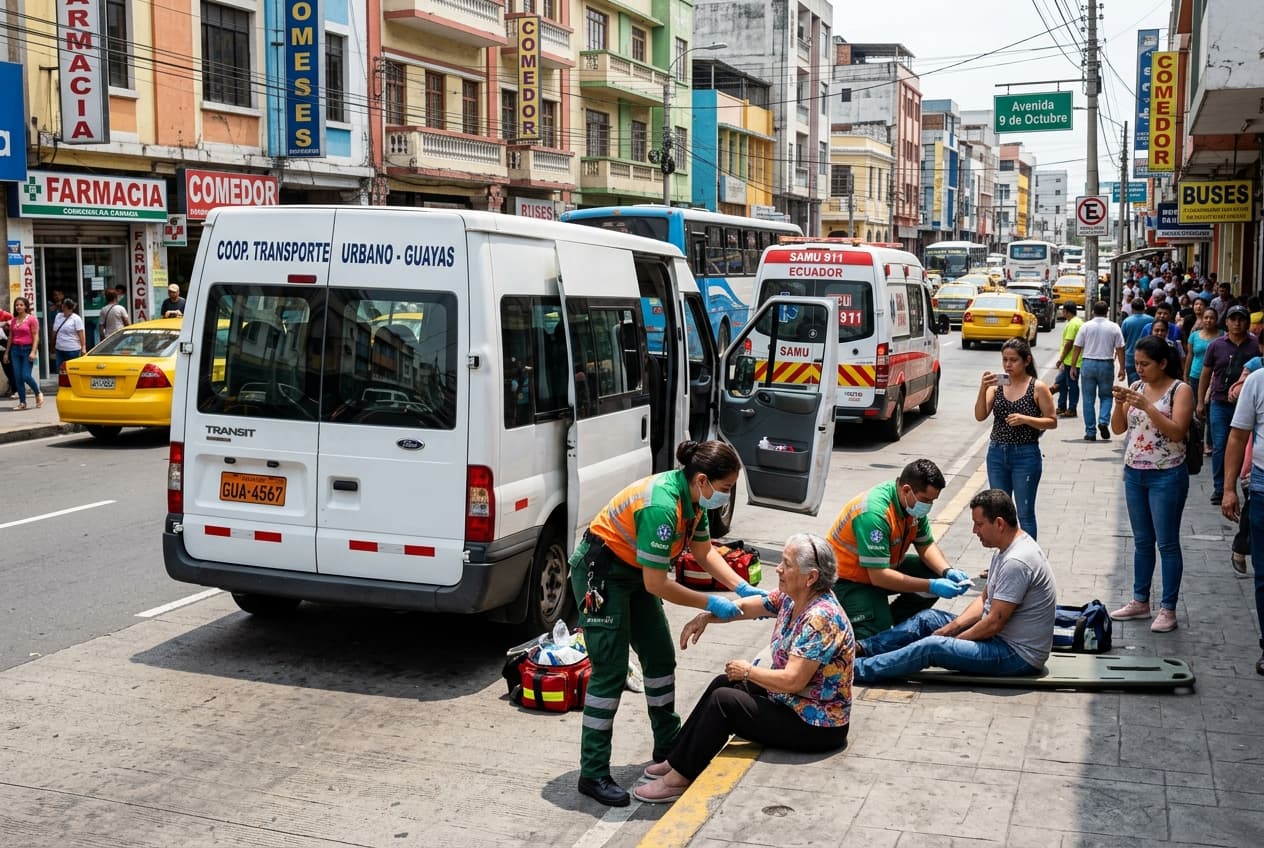
Community leaders and local activists condemned the daytime police operation, arguing that aggressive incursions endanger innocent families during peak morning hours. Emergency medical teams rushed injured residents to municipal hospitals in private vehicles and police transports after ambulances were initially blocked by barricades. Police spokespersons maintained that officers returned fire only after encountering an ambush by criminal elements protecting drug distribution points.
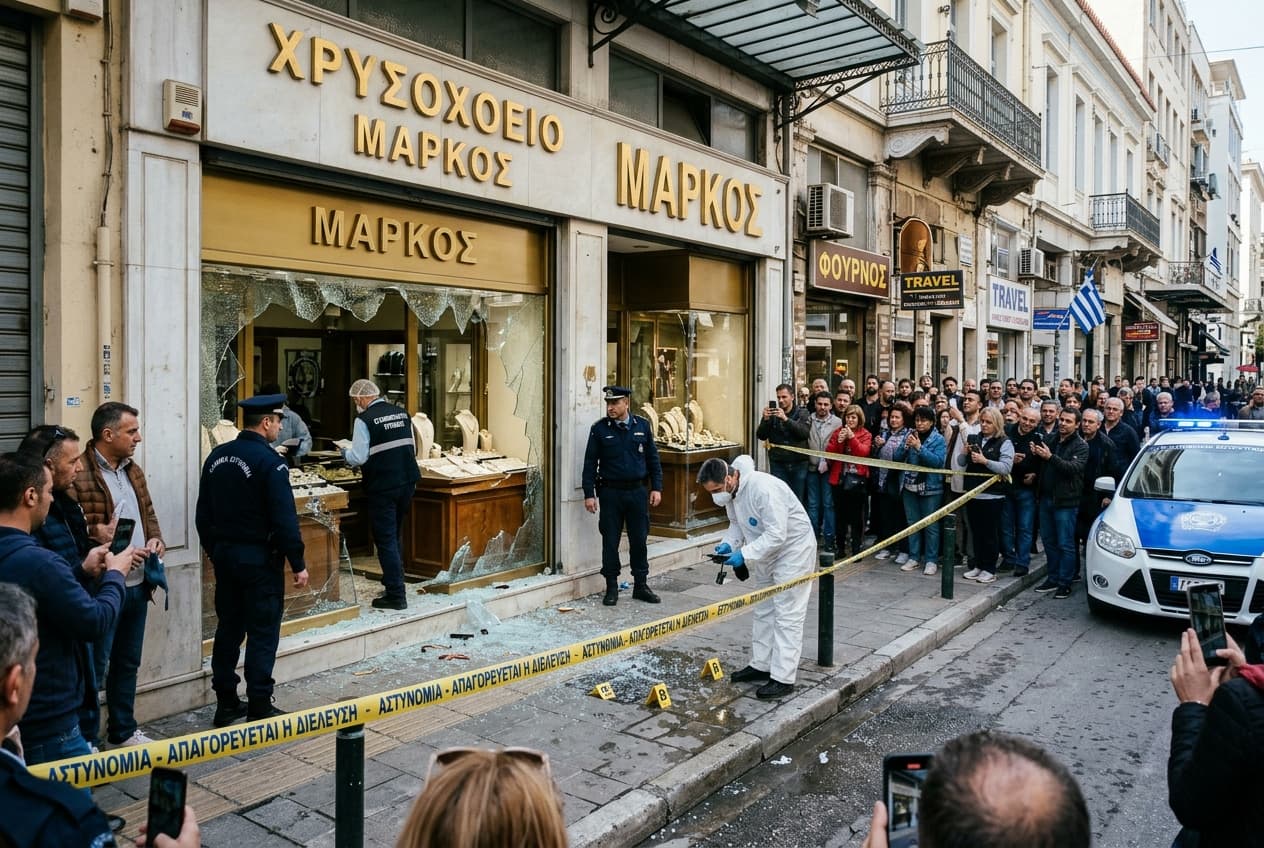
Commercial shops and public schools within the community shut their iron gates immediately, suspending all daily activities as tension gripped the neighborhood. Relatives of the victims gathered outside the local trauma center, demanding accountability and an immediate halt to high-risk police raids. Forensic police units later entered the winding alleys to collect ballistic evidence and map the trajectory of the gunfire.
Municipal transit buses altered their routes away from the arterial roads skirting the base of the favela, stranding thousands of morning commuters. Human rights monitors deployed observers to document property damage and interview witnesses affected by the violent confrontation. State security secretariats announced an internal administrative review regarding the tactical protocols executed during the raid.
As afternoon approached, the sporadic sound of gunfire subsided into a tense, uneasy silence across the hillside community. Residents began cleaning shattered window glass and patching bullet holes in their homes while mourning the injured neighbors. Community associations organized a peaceful demonstration calling for structural protection and an end to urban warfare tactics.
Police tactical units maintained a heavy presence at strategic access points leading into the favela to prevent further retaliatory clashes.
Investigation divisions continued analyzing ballistic reports to determine the precise origin of the rounds that struck non-combatants.
Published by Banx Network. This article is part of the Banx decentralized media programme, powered by the BXE token on the XRP Ledger.